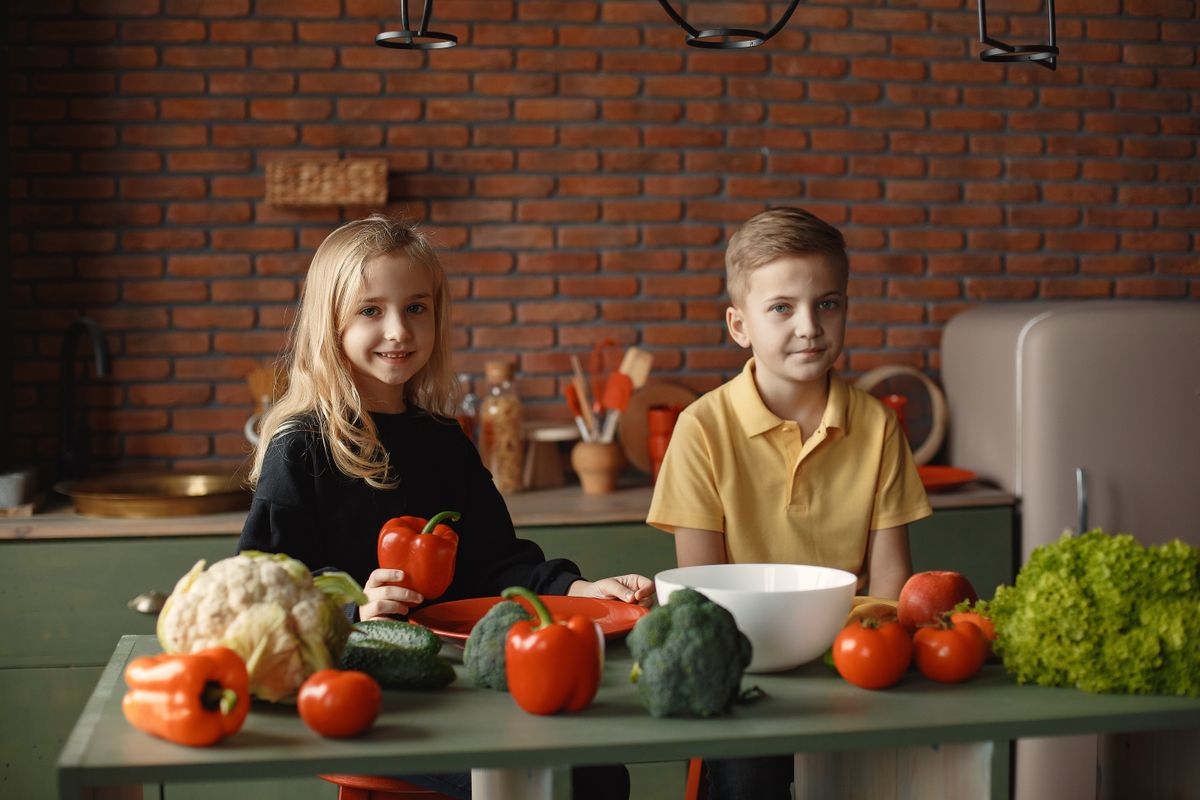
Helping with a meal can mean much more than stirring a bowl for a photograph. A child can wash suitable produce, tear leaves, arrange napkins, or choose where serving dishes will go. The task needs to be safe, useful, and small enough to fit the household's real evening. Start with a meal you already know how to prepare. Trying a new recipe, teaching several unfamiliar skills, and managing hungry children at the same time creates avoidable pressure. Kitchen participation should make room for learning while adults remain responsible for food safety, equipment, and supervision. A modest contribution that reaches the table is a worthwhile result.
Choose the meal before choosing the lesson
Look for a familiar dish with one or two tasks that can be separated from heat, sharp equipment, raw animal products, and other hazards. A simple assembly meal may offer suitable opportunities, depending on the child's age and needs. Read the recipe and prepare the adult only steps in advance where possible. Consider allergies, dietary requirements, and any professional guidance relevant to your household.
Do not promise a child unrestricted access to the kitchen. Explain which area and materials they will use and which remain with the adult. Remove hazards from the working space, keep handles and cords safely managed, and maintain close supervision. A stable work surface at a suitable height matters. If a child cannot reach comfortably, use a safer alternative such as a seated task at a table rather than improvising an unstable platform.
Offer a job with a visible purpose
Explain how the contribution fits the meal: "These leaves will go into the serving bowl" or "Each person needs one napkin." Choose an action the child can repeat without needing correction after every movement. Tearing washed leaves, counting unbreakable bowls, or arranging prepared ingredients may be suitable in some households. Adults should decide what is appropriate for the specific child, food, and equipment.
Let the child choose between two suitable jobs if both are genuinely available. Avoid offering a choice you will immediately reverse. If the child declines, they can observe or join another day. Participation is an invitation to contribute, not a test of whether they appreciate the meal. Keep expectations clear if a regular household responsibility, such as setting napkins, is also involved; distinguish that routine from optional cooking exploration.
Prepare the workspace for success
Place only the needed materials within reach. A crowded counter makes it harder to know which bowl or ingredient is intended for the child's task. Use small, manageable quantities and keep spills away from walking routes. Have a cloth ready for ordinary cleanup, while adults handle any contaminated materials according to food safety guidance. Show where finished items should go before the child begins.
Give a brief demonstration and then let the child try. Describe important features such as keeping a serving bowl on a stable surface or carrying a light item with both hands. Avoid a long speech about every possible mistake. If the task requires constant intervention to remain safe, choose another task. An activity is not a good fit merely because it looks age appropriate in a video or photograph.
Build hygiene into the sequence
Follow current food safety guidance from the relevant local authority for handwashing, food handling, storage, and cooking. Teach children the part they can understand and perform with support. For example, handwashing belongs before handling food and after activities that require it. The adult remains responsible for checking that the food is handled safely; a child should not be expected to judge whether an ingredient is safe to eat.
Avoid tasting raw mixtures or ingredients unless you know they are safe for that use. Keep raw animal products and their equipment under appropriate adult control. If a child touches something that changes the hygiene requirements, pause calmly and reset the task. A practical explanation is more useful than disgust or blame. The routine should communicate that food care is a normal shared responsibility rather than a source of embarrassment.
Use ordinary language about food
Talk about color, texture, smell, and preparation without pressuring the child to eat a particular amount. A child can help prepare a food they do not currently want to taste. Avoid promising that kitchen involvement will solve selective eating or make every meal peaceful. The immediate aim is familiarity with a task and a chance to contribute. Questions about persistent eating difficulties or nutritional needs belong with qualified professionals.
Keep descriptions neutral. A crisp leaf, a soft cooked vegetable, or a strongly scented herb gives the child useful sensory language. Do not divide the table into good and bad people according to what they eat. Family preferences, culture, access, and dietary needs all influence meals. A shared preparation activity can make room for those differences without turning the kitchen into a debate about which person has the best habits.
Let counting and reading serve the task
Count bowls because the family needs the right number. Read a label because you need to identify an ingredient. Compare two containers because one must hold the prepared food. These moments connect language and number with an actual purpose. Avoid interrupting every action with a question whose answer you already know. A child trying to carry a bowl may need concentration more than a quiz.
If the child wants to read part of a recipe, choose a short relevant instruction and help with unfamiliar words. Show how to check the next step rather than relying on memory. Measuring activities require suitable supervision and equipment, especially where exact quantities affect safety or the recipe's success. An adult can prepare a small portion for exploration separately so the main meal does not depend on a beginner completing a difficult measurement accurately.
Plan a clear stopping point
Tell the child how they will know their job is finished. An empty small container, a row of prepared napkins, or the serving bowl in place gives a visible endpoint. Offer a simple cleanup action that fits their ability. Put unused suitable materials away, wipe a clean table area, or carry light nonhazardous items to the correct place. Adults should handle hot, sharp, heavy, or contaminated equipment.
Some children will want to continue when the adult needs space to finish cooking. Explain the transition before it happens and provide a safe place to wait or another activity. Do not extend participation into a hazardous stage merely to avoid disappointment. Thank the child for what is already complete. Their contribution remains real even when the adult finishes the rest of the meal independently.
Keep the child's contribution separate from any claim that the people shown in a recipe or photograph endorse a particular method. Real kitchens differ in layout, equipment, and access. Adapt the task to the space you actually have. A seated job at a clear table may offer more useful participation than trying to copy an attractive image of a child standing beside a busy cooking surface.
Notice what made the evening easier
At the table, acknowledge the specific contribution without requiring everyone to praise or taste it. "These are the napkins you arranged" or "You helped prepare the leaves" is enough. Avoid making the child responsible for whether the meal is enjoyed. Adults can appreciate help while allowing ordinary preferences and uneven appetites to exist.
Afterward, decide whether the job was a good fit. Was the workspace comfortable? Did the task have a clear purpose? Could the adult supervise without neglecting another essential step? Adjust those conditions before adding more complexity. A repeated familiar task can become more independent over time. The useful outcome is a child who understands a small part of how a meal reaches the table and can contribute safely within the household's ordinary routine.