Learning Resources NEW
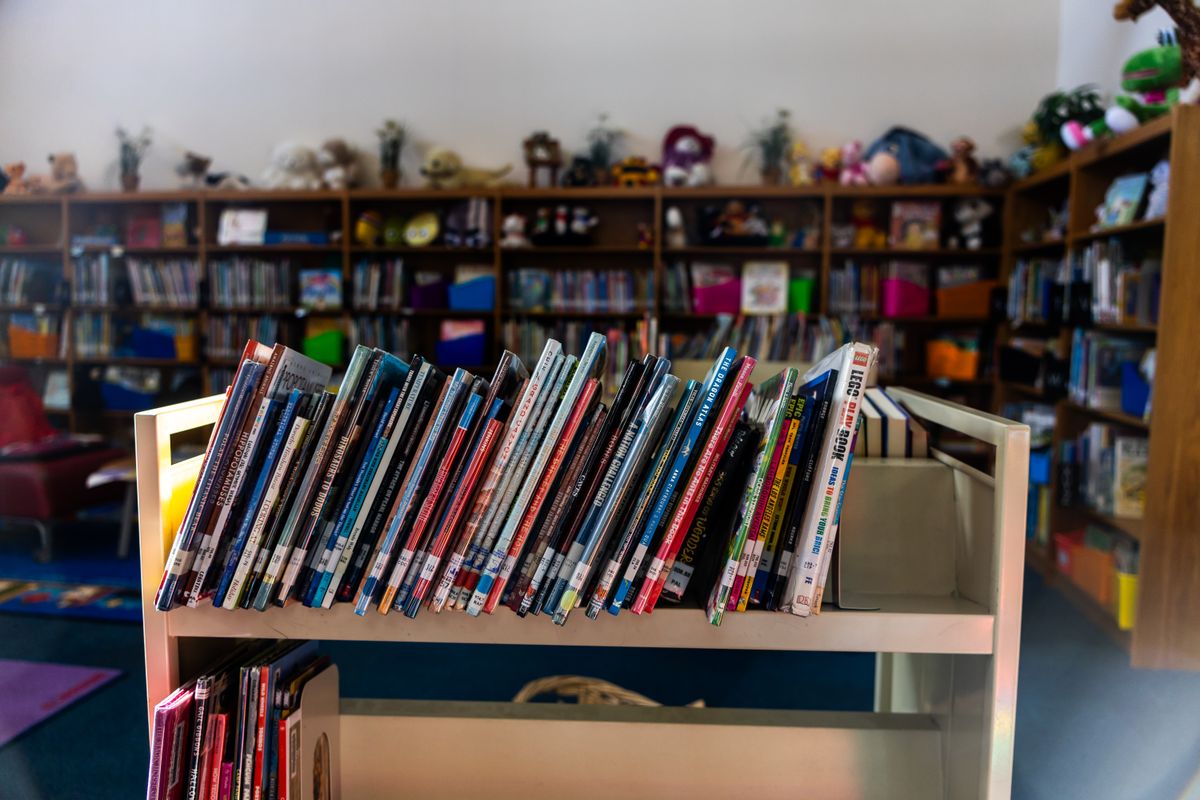
A Library Visit with One Good Question
Help children use a library as a place to follow an interest, compare sources, and ask for help.
 Education & Family
Thoughtful ideas for learning, parenting and the everyday work of growing together.
Explore the journal ↘
New stories from the Infosmotus editors.
Help children use a library as a place to follow an interest, compare sources, and ask for help.

Prepare a practical arrival and cleanup routine so ordinary wet weather does not turn every outing into a household argument.
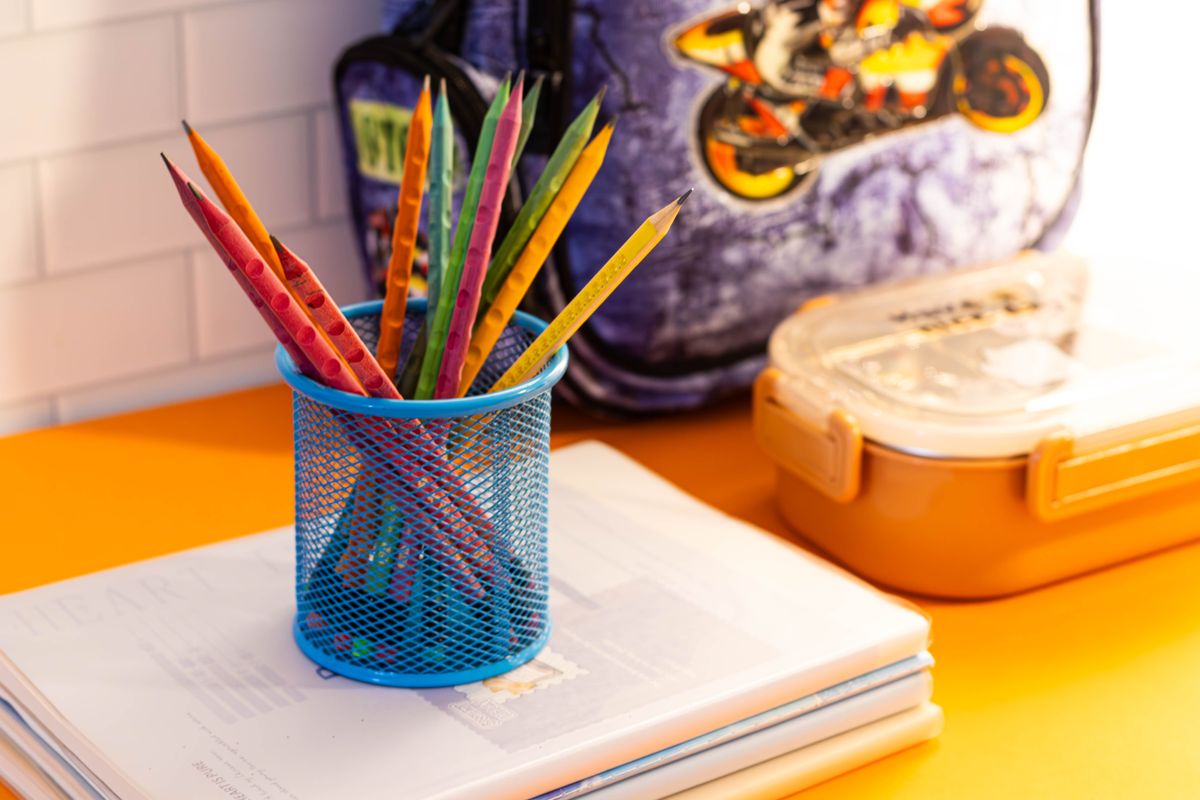
Build a practical packing routine with clear places, a short checklist, and age appropriate adult support.
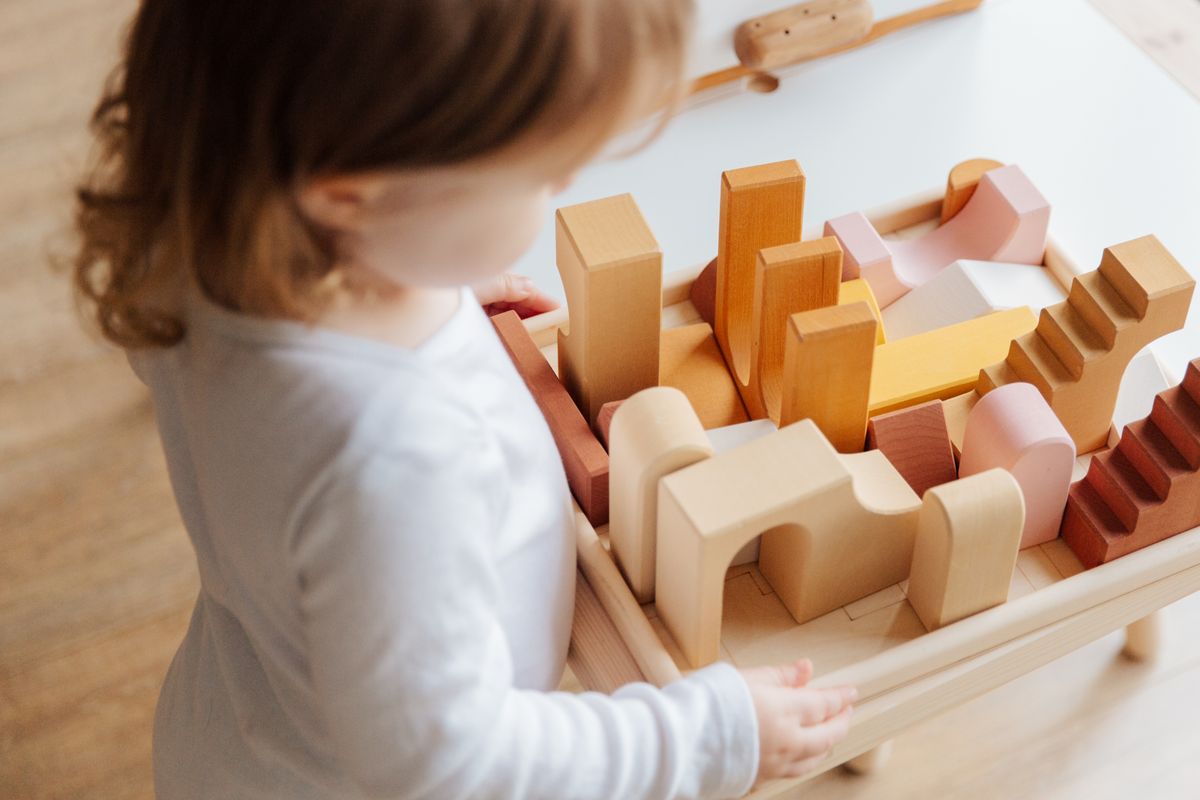
Set up a modest block area that invites children to plan, test, tell stories, and solve everyday building problems.

Make the journey home a calmer transition and create everyday openings for children to talk on their own terms.
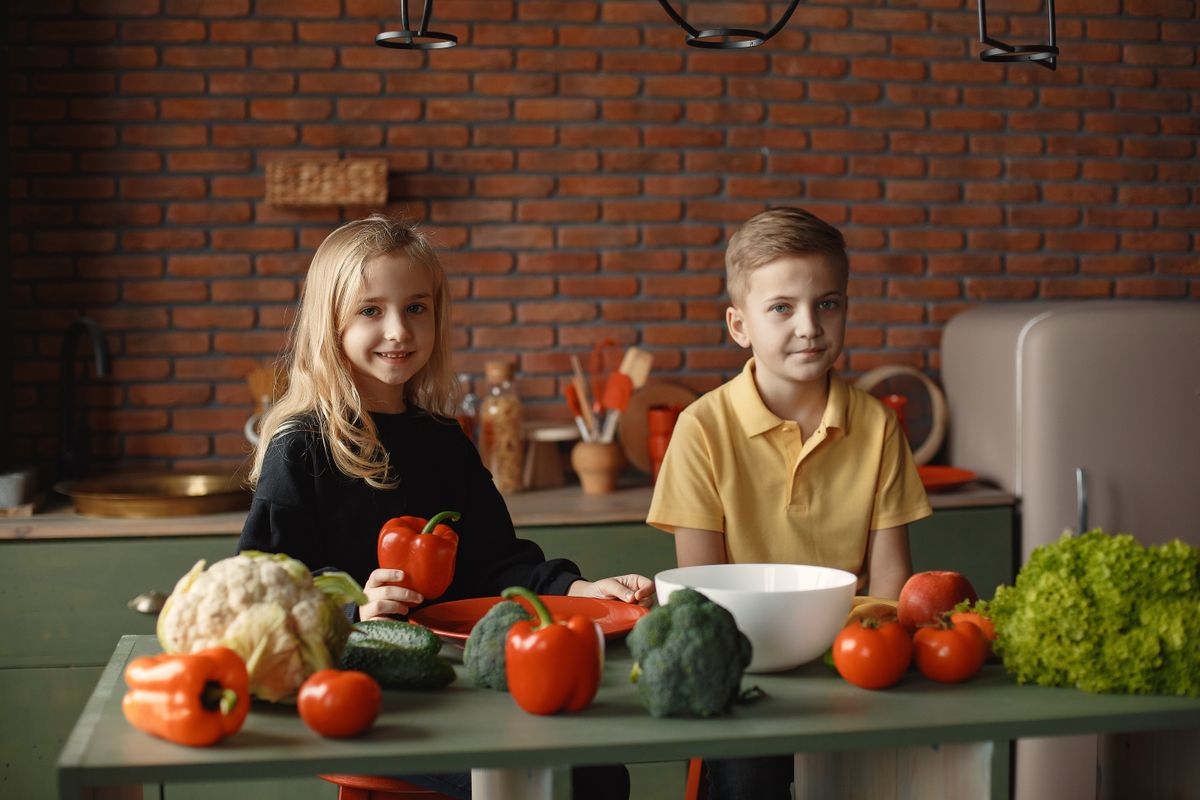
Choose safe, useful kitchen jobs and organize the workspace so children can contribute without taking over meal preparation.
Practical perspectives for parents and caregivers. Learning takes many paths.
Settle in with something useful.
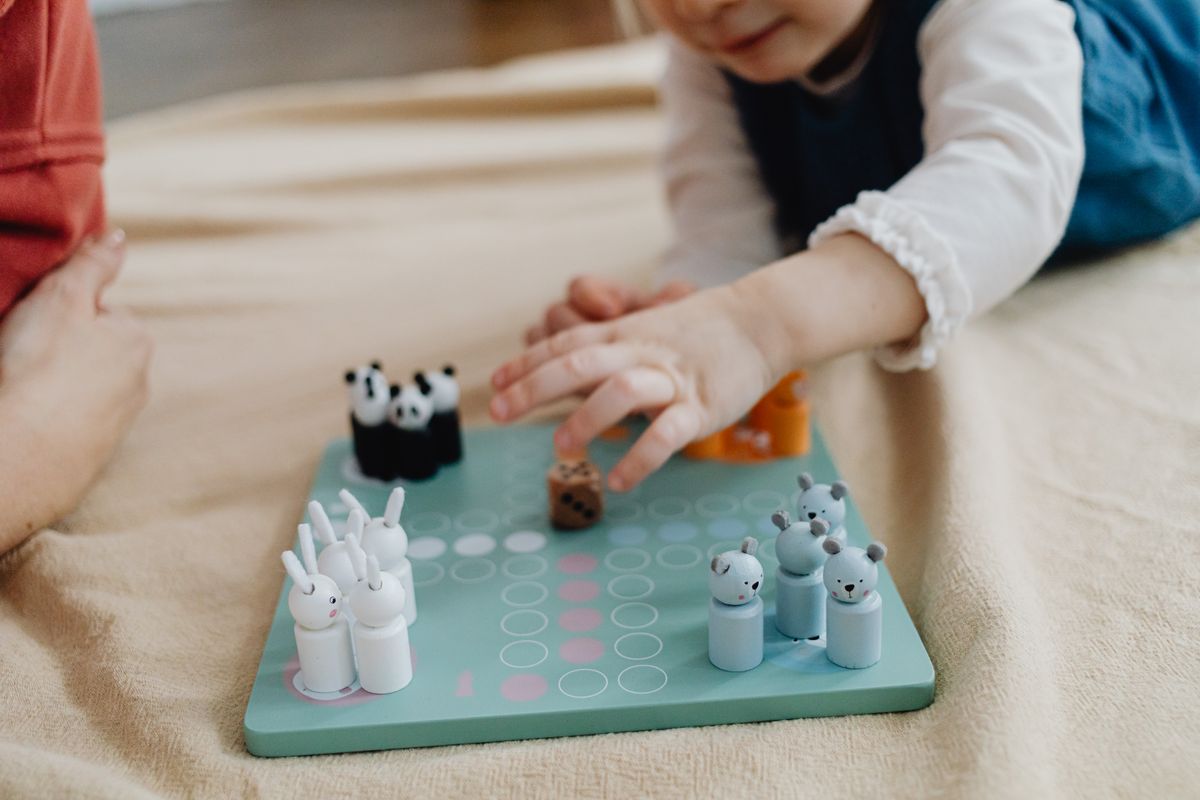
Make a small paper board game that gives children a reason to count, test rules, and revise a design.
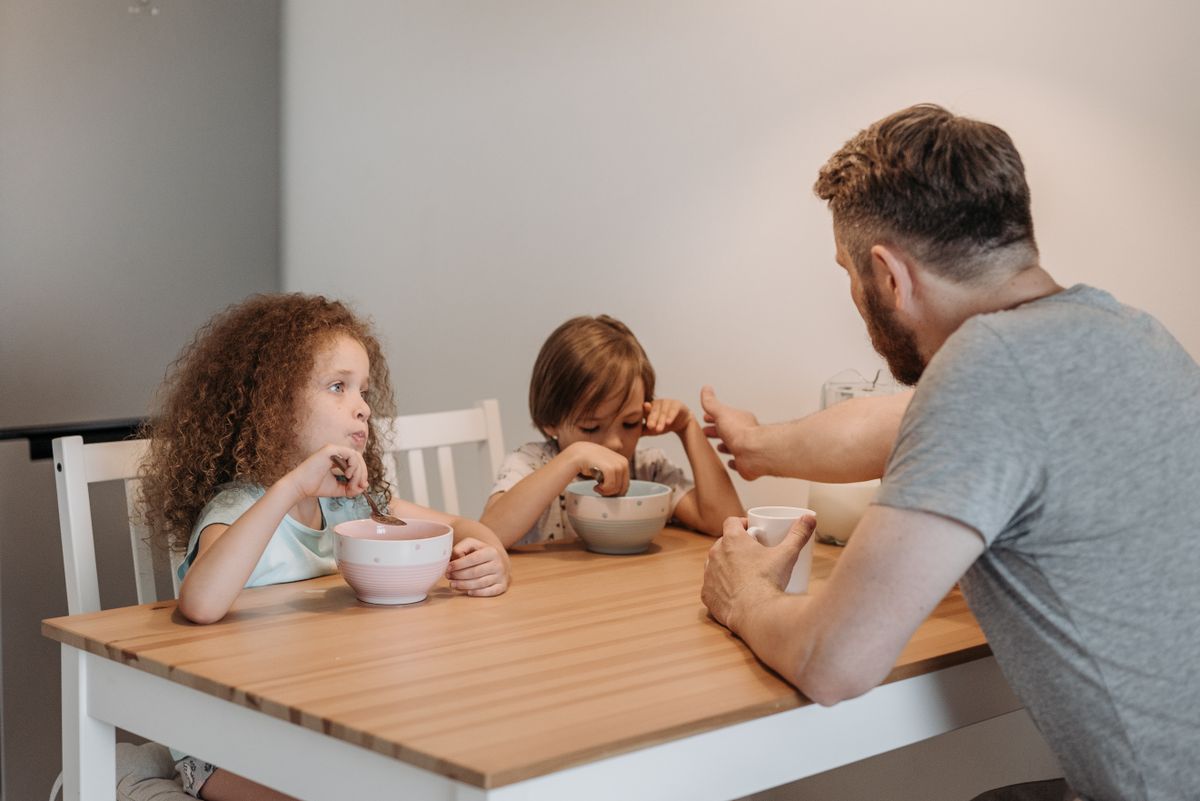
Use a short, focused conversation to solve recurring household friction without turning the meeting into a lecture.
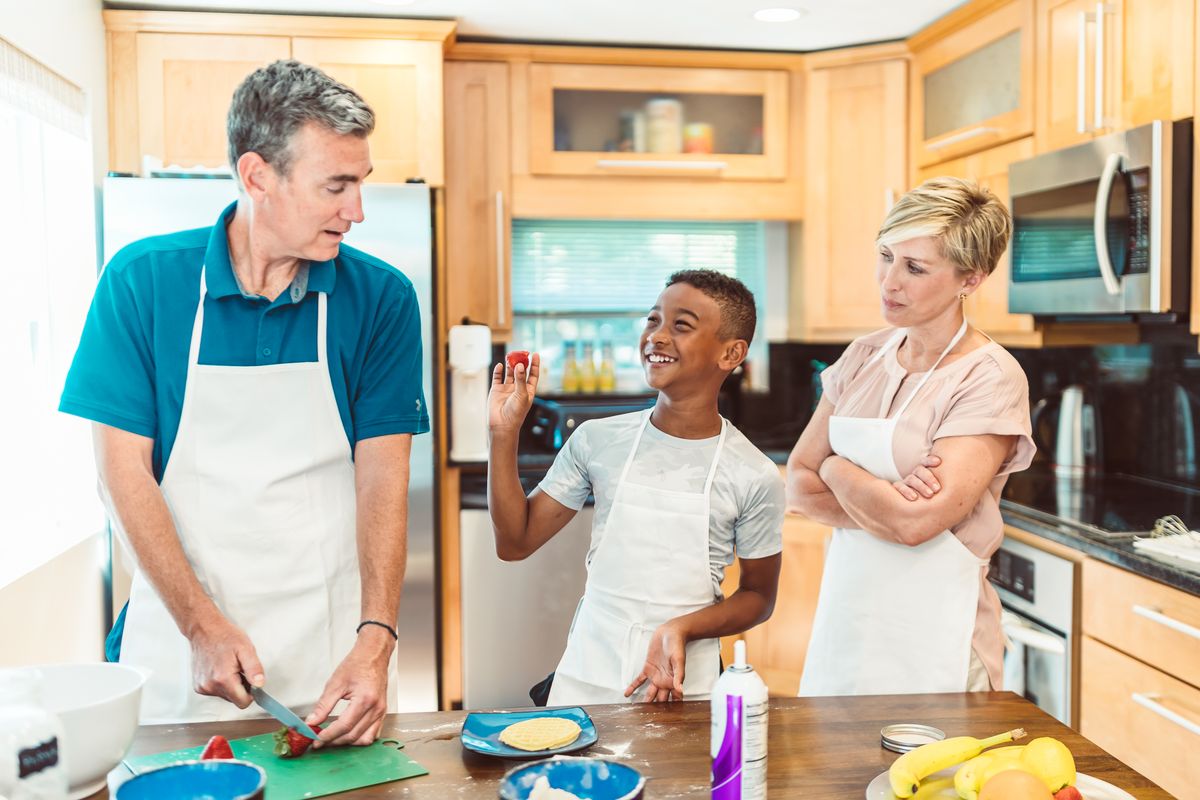
Teach a child a real contribution through clear demonstrations, suitable tools, and a gradual transfer of responsibility.
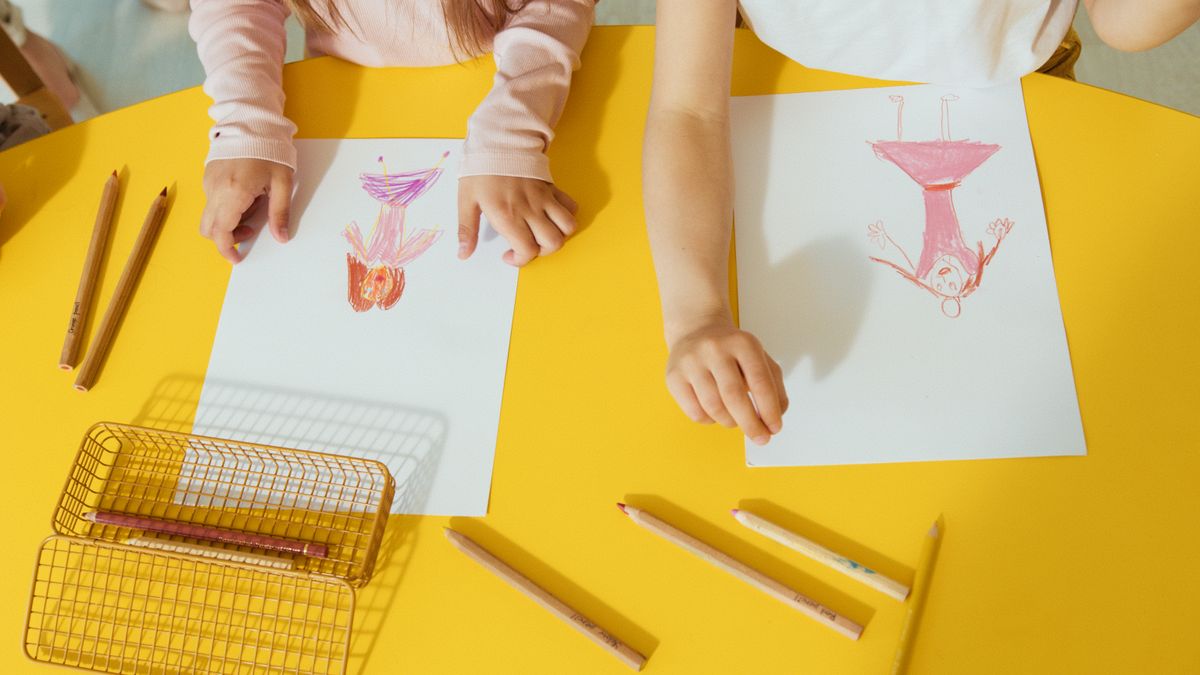
Make household instructions easier to understand by adjusting the setting, the wording, and the amount of support.

Support the starting process, clarify the task, and communicate useful questions to school while keeping the work the child’s own.

Turn a familiar route into a gentle observation game without worksheets, collections, or constant questions.
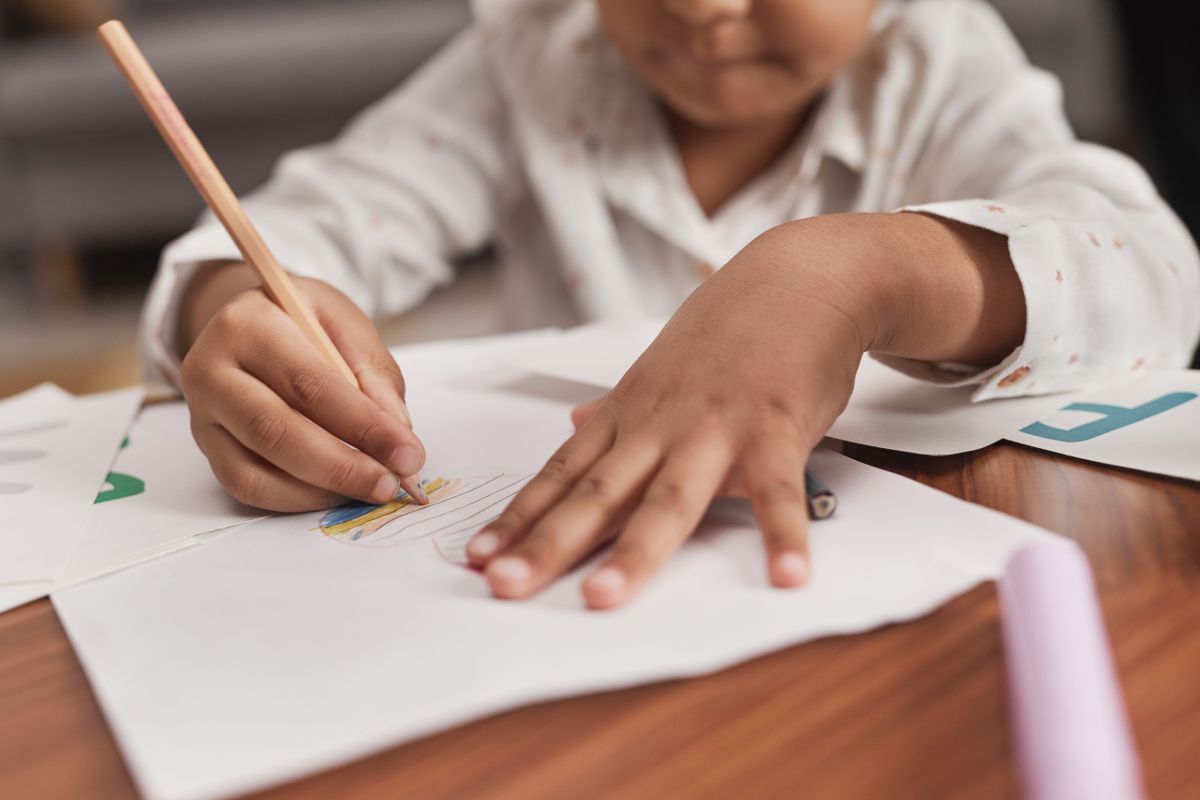
Use clear endings, meaningful choices, and manageable waits to help children participate in everyday delays.

Help children turn a weekly timetable into a usable picture of their day, including materials, transitions, and questions to ask.
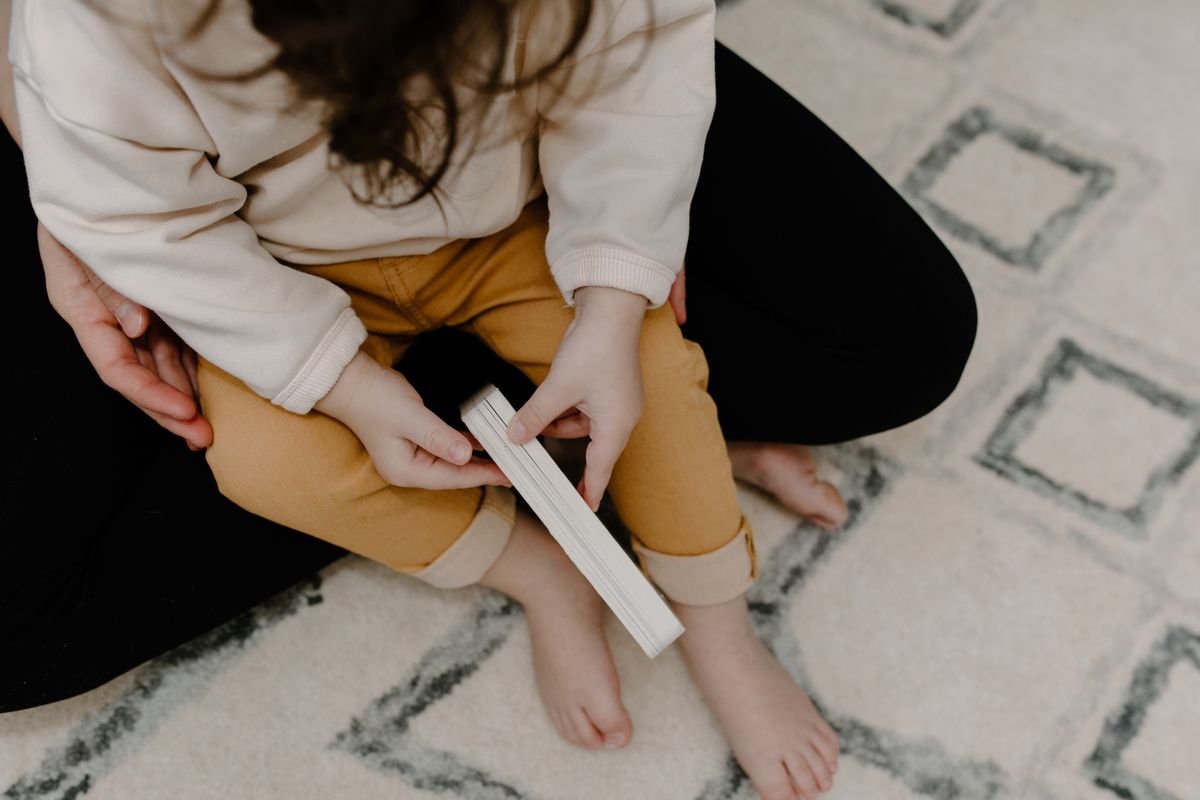
Use a familiar picture book and a few safe objects to make storytelling open, conversational, and child led.
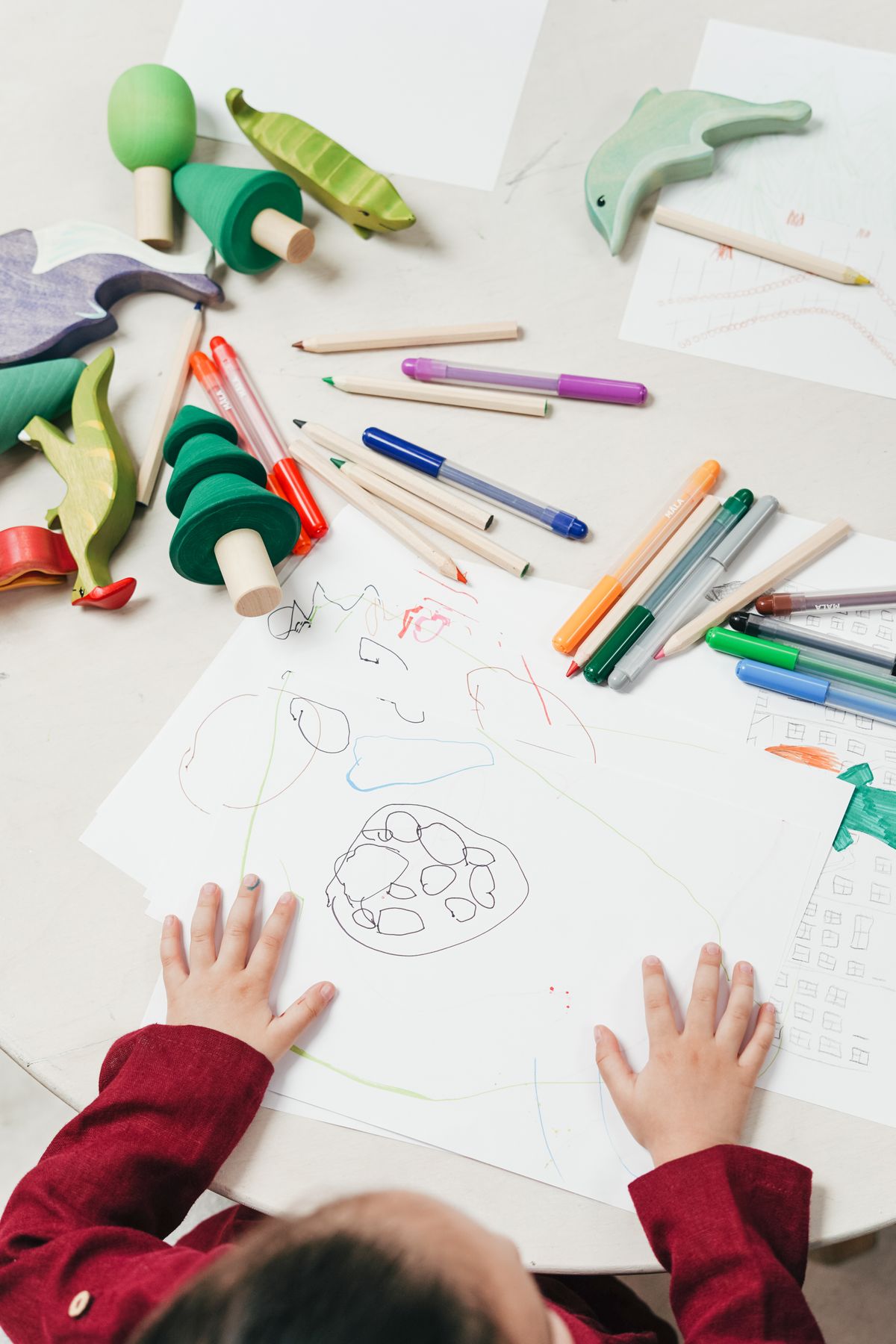
Create a simple place for children to keep questions, observations, and unfinished ideas without turning curiosity into homework.
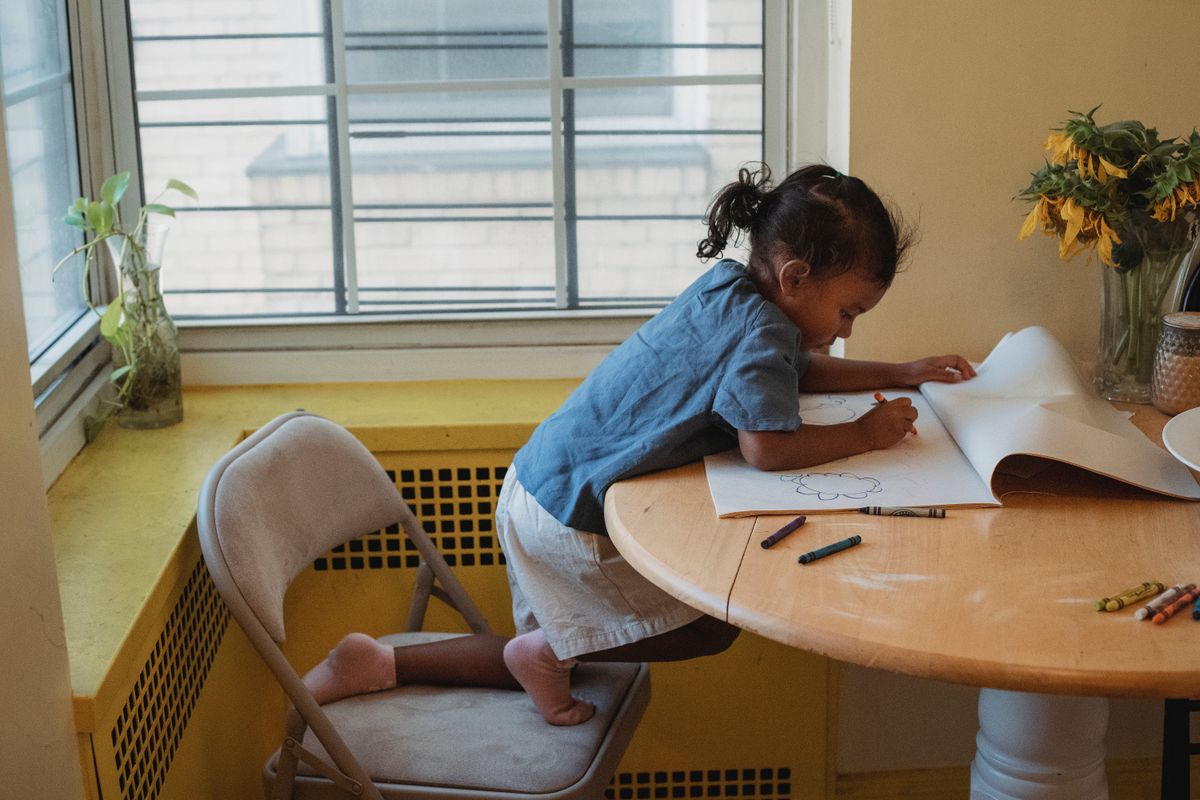
Help children use sketches to remember an idea, organize a project, and explain choices without judging artistic skill.