Child Development NEW
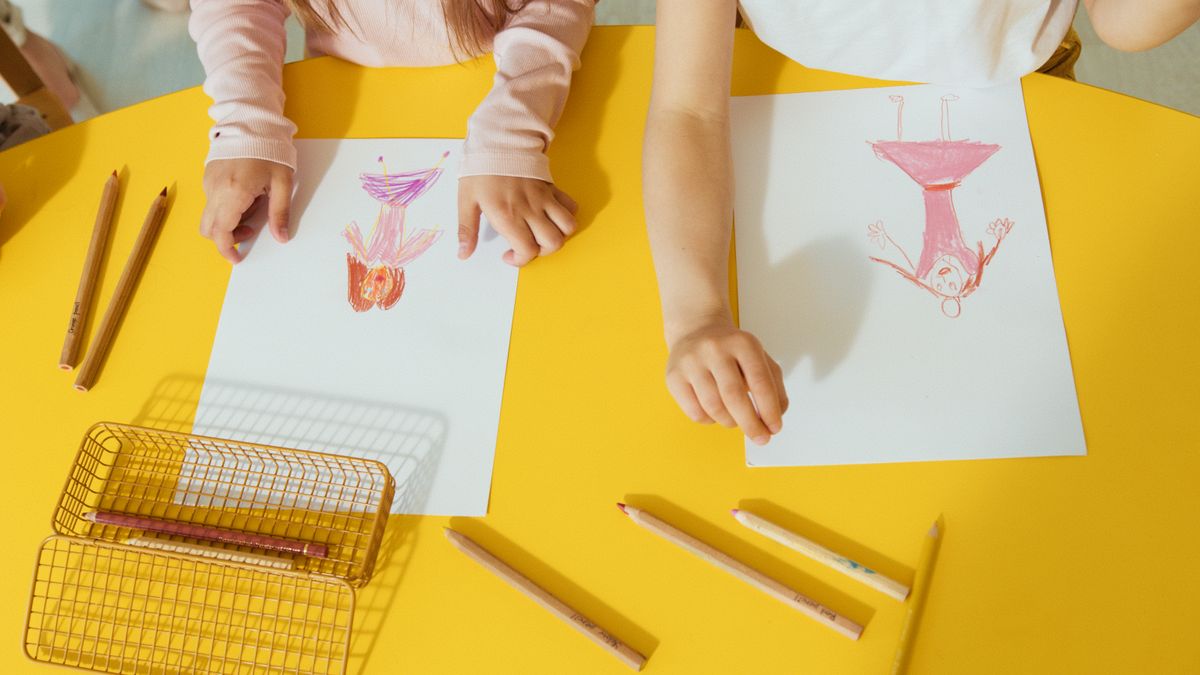
Helping Children Follow Everyday Directions
Make household instructions easier to understand by adjusting the setting, the wording, and the amount of support.
 Education & Family
Understanding cognitive, emotional, and social development stages from infancy through adolescence.
Make household instructions easier to understand by adjusting the setting, the wording, and the amount of support.
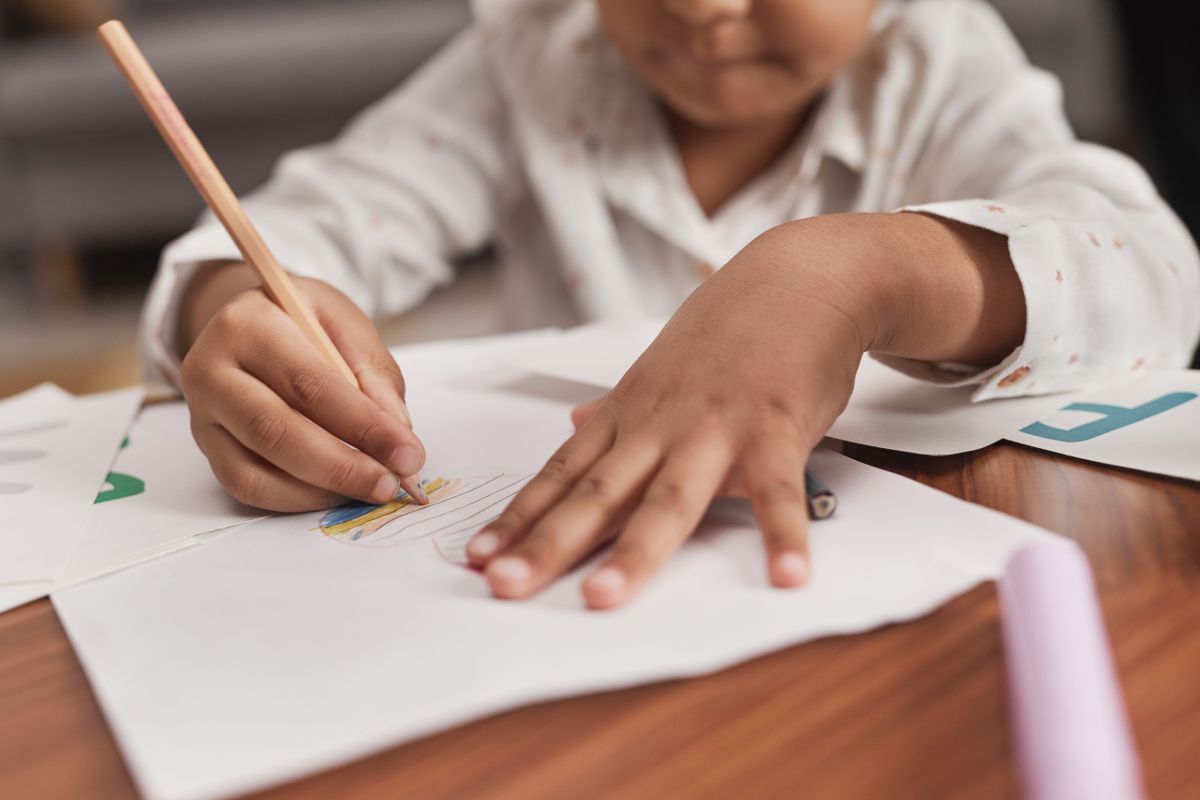
Use clear endings, meaningful choices, and manageable waits to help children participate in everyday delays.
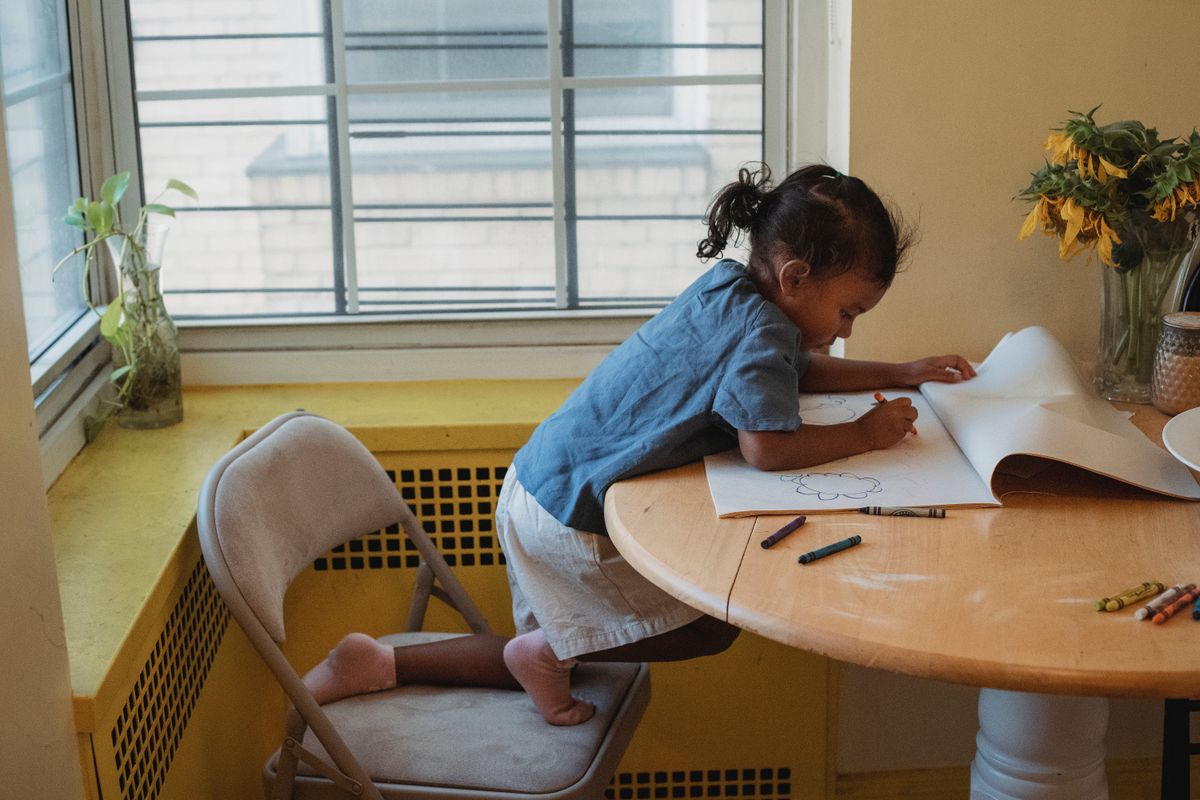
Help children use sketches to remember an idea, organize a project, and explain choices without judging artistic skill.
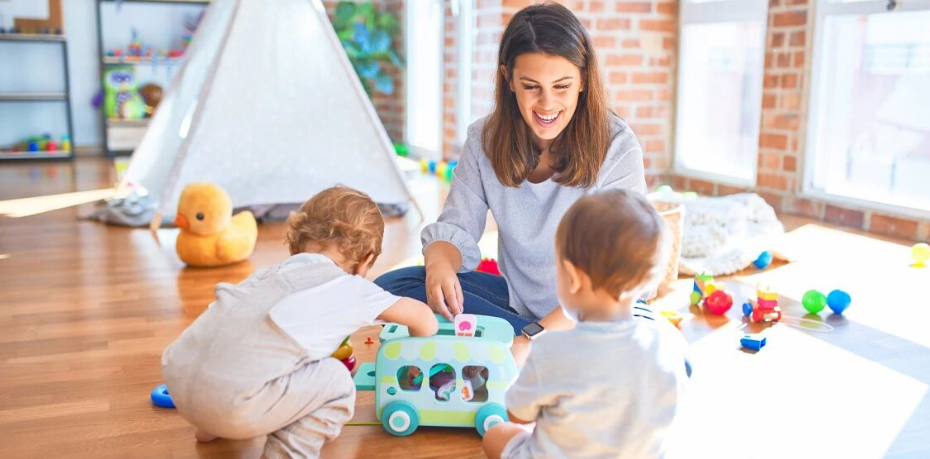
Understanding children's personality differences and raising them in ways that suit their nature allows every kind of growth to thrive.
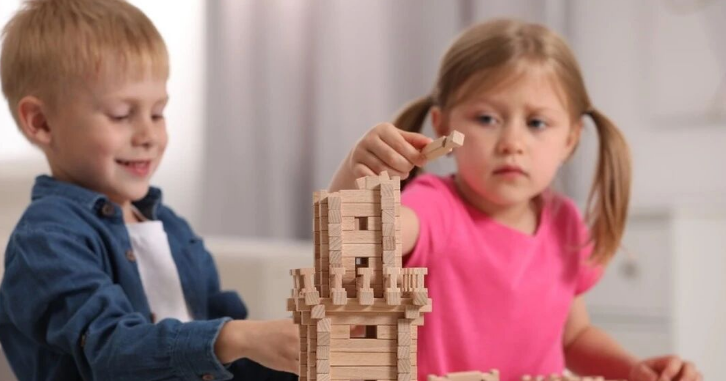
Children's executive function, composed of working memory, inhibitory control, and cognitive flexibility, can be strengthened through home-based training and environmental support to improve the self-management skills needed for learning, social interaction, and independent living.
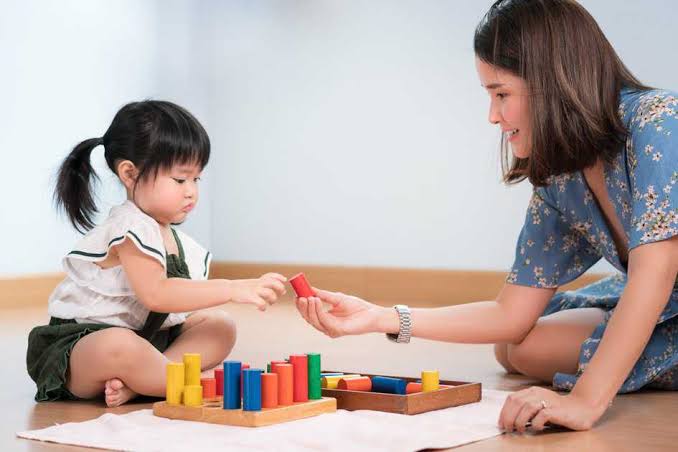
Erik Erikson’s theory of psychosocial development offers a useful way to understand how children’s emotional and social needs change as they grow. This guide explores the first four stages, from infancy through the school years, and what they can mean for everyday parenting.

Understanding a child’s emotional development can help parents respond with greater patience and confidence. This guide explores children’s changing emotional needs from infancy through adolescence, along with practical approaches to communication, boundaries, independence, and everyday parenting.
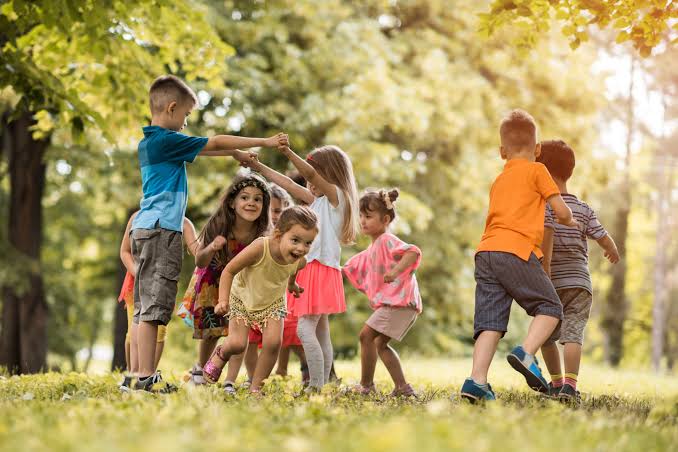
Strong social skills begin with more than practice. When children develop security, autonomy, confidence, and emotional regulation, they have a stronger foundation for handling friendships, conflicts, boundaries, and the everyday challenges of interacting with others.
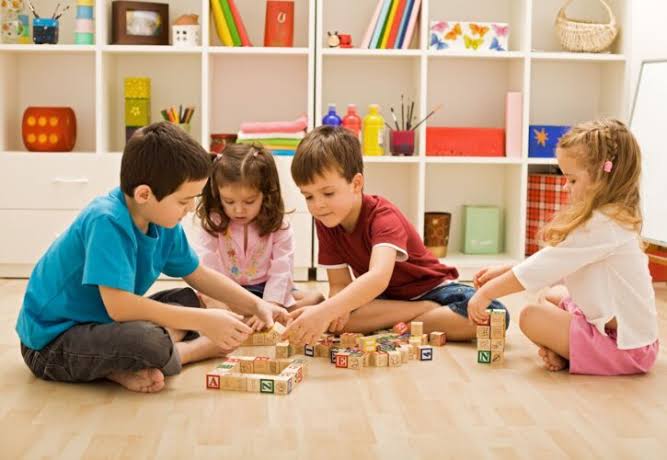
Children need more than knowledge and academic skills to navigate the world with confidence. Empathy, respect for rules, resilience, and healthy boundaries can help them build stronger relationships, handle setbacks, and gradually become more independent.
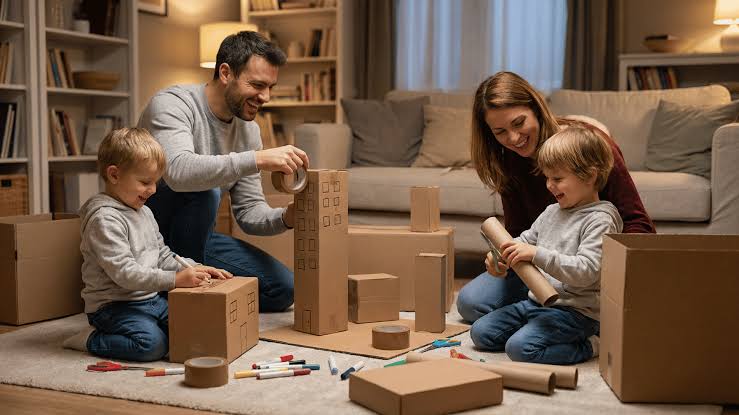
Play gives children opportunities to solve problems, communicate, imagine, cooperate, and explore new ideas. Learn how puzzles, pretend play, group games, open-ended activities, and thoughtful adult interaction can support learning and development without turning playtime into another lesson.

Outdoor play greatly benefits children's physical, cognitive, social, and emotional development, so schools and families should take it seriously and create plenty of opportunities for kids to grow happily through play.
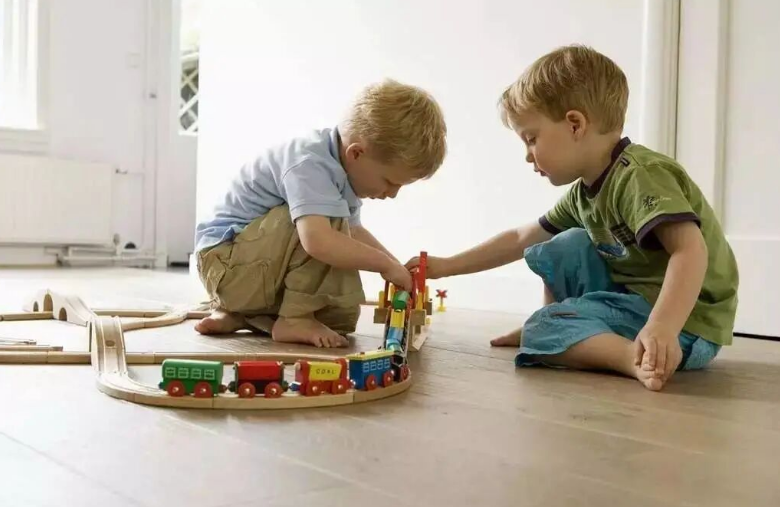
This article systematically outlines the developmental milestones for three-year-olds in physical, emotional, social, cognitive, and language areas, offers practical parenting tips, and emphasizes that each child grows at their own pace, advising parents to consult a specialist if they have any concerns.