
Parenting Tips NEW
After School Conversations That Leave Room to Breathe
Make the journey home a calmer transition and create everyday openings for children to talk on their own terms.
 Education & Family
Practical parenting advice, positive discipline strategies, and family communication techniques.
Make the journey home a calmer transition and create everyday openings for children to talk on their own terms.
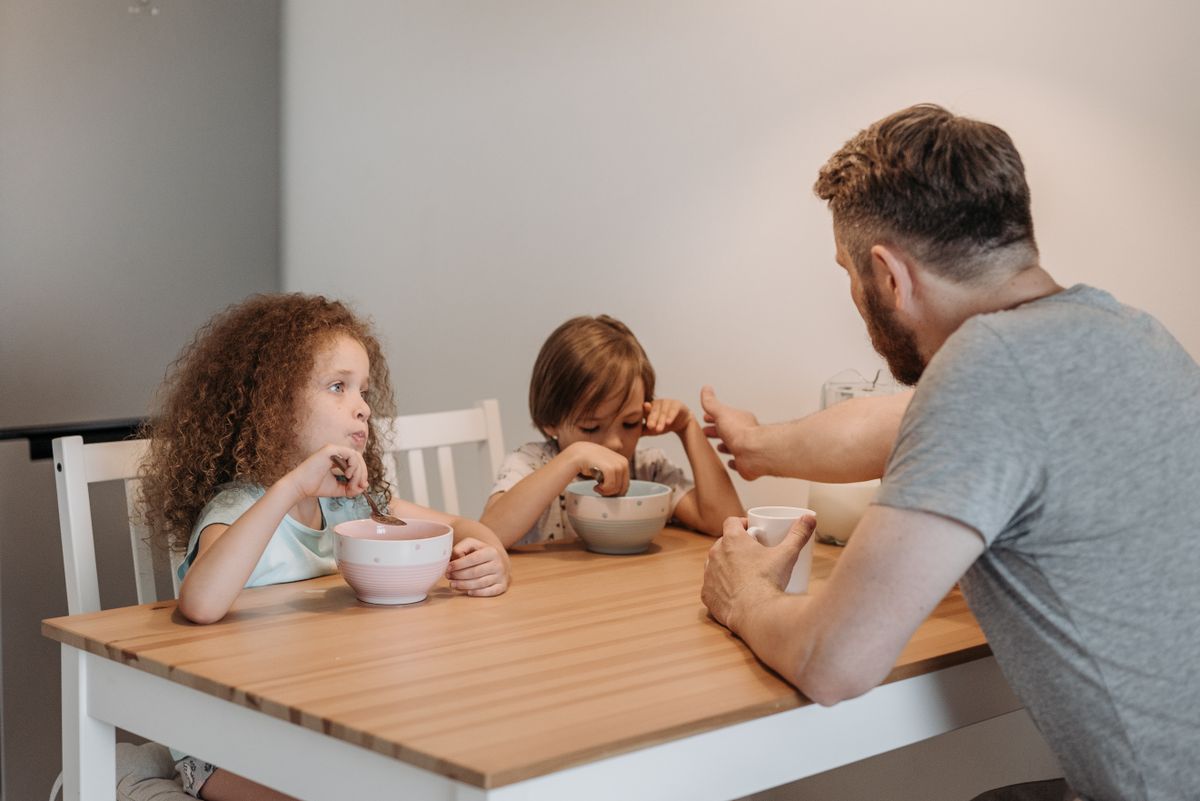
Use a short, focused conversation to solve recurring household friction without turning the meeting into a lecture.
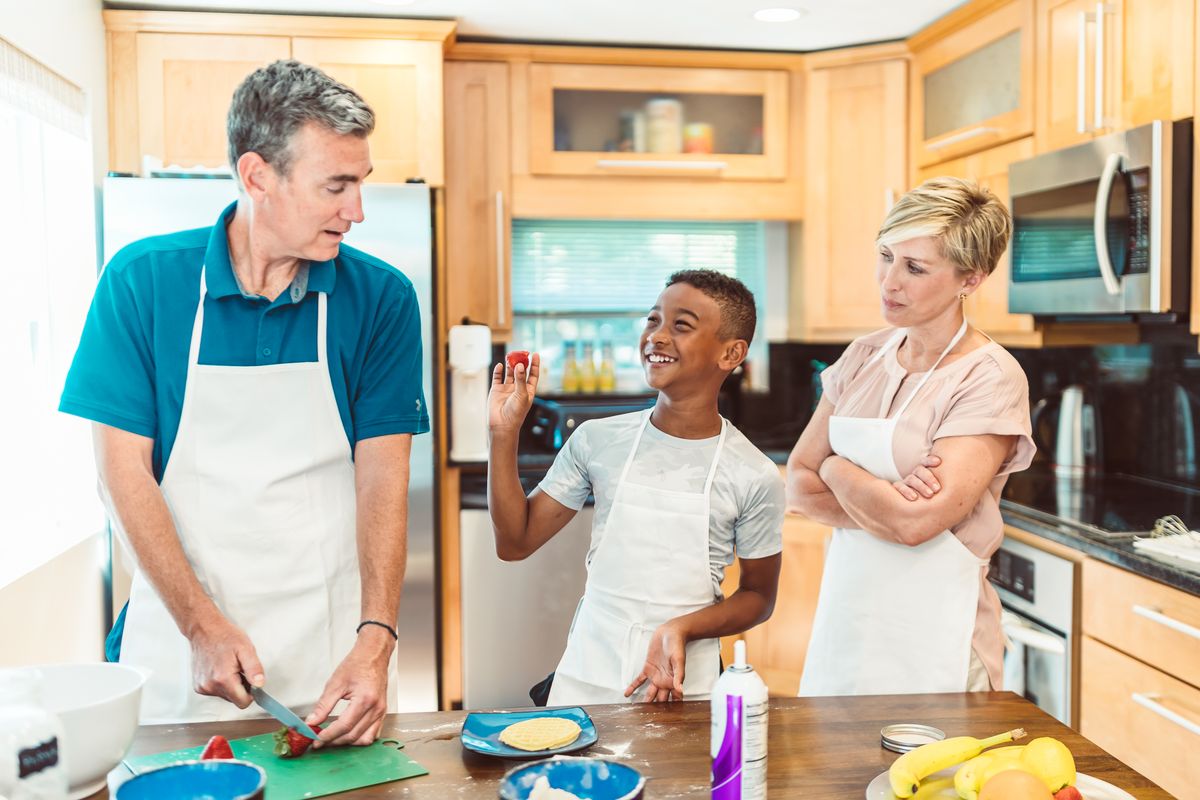
Teach a child a real contribution through clear demonstrations, suitable tools, and a gradual transfer of responsibility.
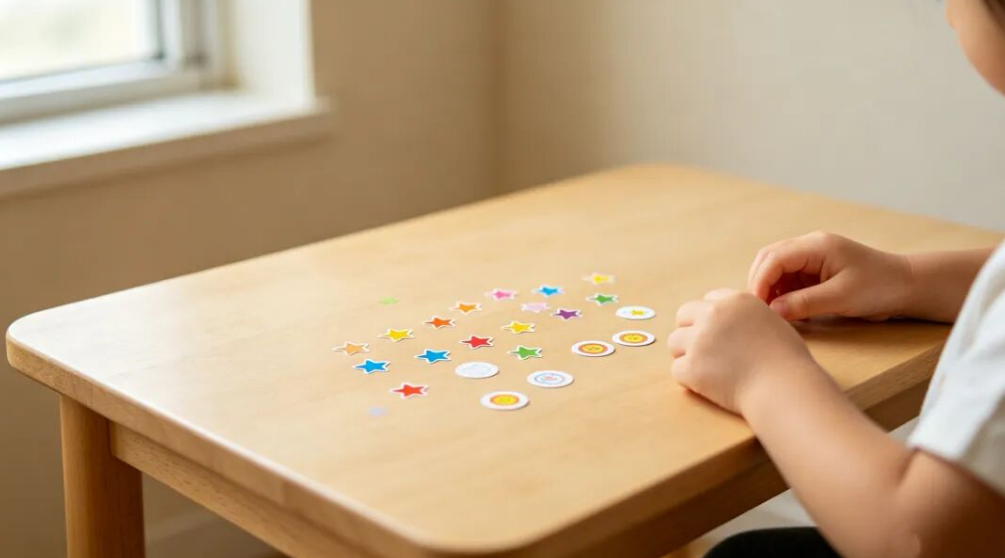
Sticker rewards may secure short-term cooperation from children but can weaken their intrinsic motivation, so families and schools should reduce material exchanges for everyday behavior and instead describe facts and affirm feelings to protect children’s self-driven willingness.

A bedtime routine with a fixed order, fixed duration, and advance fulfillment of needs like water, toilet, and hugs can turn sleep from a nightly negotiation into a consistent routine that helps a child fall asleep automatically.

In divorced families, parents should sustain love and security through cooperation, stability, and patience, so that although the family form changes, the core of love remains, helping children overcome psychological difficulties.

When children's disagreements escalate into arguments or fights, parents should intervene when necessary while ensuring safety, stay calm, apply fair consequences, and guide children to learn communication and problem-solving skills while managing their own emotions.
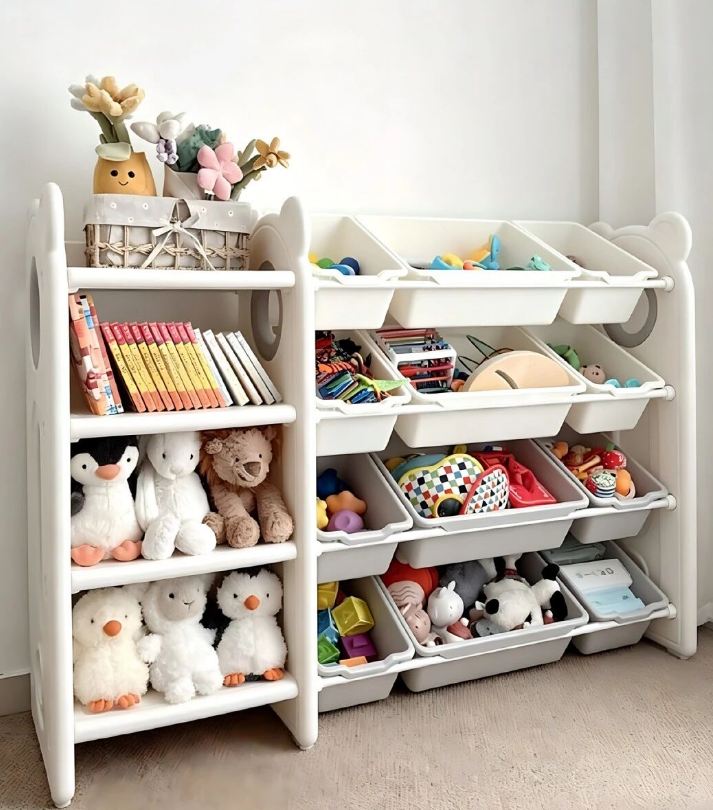
Letting children take on age-appropriate chores from age three to sixteen is the highest form of family education, cultivating responsibility, gratitude, independence, and a sense of duty.

Helping children brush gently and thoroughly, using suitable toothpaste, flossing between teeth, and checking for missed areas can improve daily oral hygiene and help prevent cavities.

In multi-child families, love can ultimately triumph over conflict when parents instil a sense of family teamwork, cherish each child’s uniqueness, encourage daily acts of kindness, and lead by example with their own ongoing growth and unconditional affection.

Raising socially skilled children is really about respecting their pace, teaching a few simple conversational phrases, letting them say no and set boundaries, giving them space to work through minor disagreements on their own, and modeling good communication at home—so that in the end, they learn to speak up for themselves while also being considerate of others.
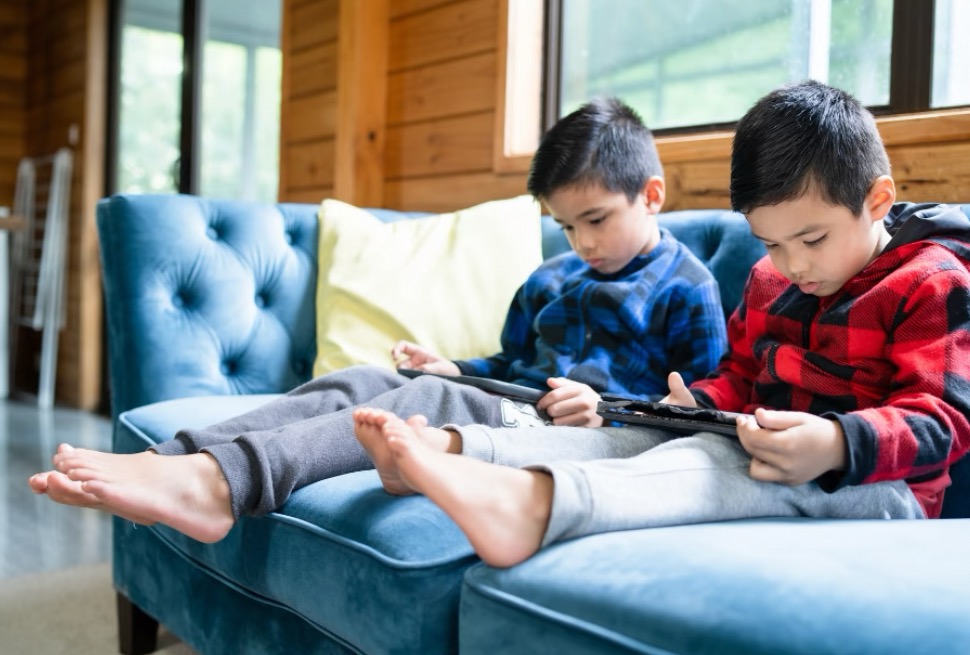
The American Academy of Pediatrics' 2026 latest guidelines no longer set a rigid daily screen time limit for children, but instead shift to a quality-management framework centered on the "5 C's" (Child, Content, Calm, Crowding Out, and Communication), while emphasizing non-negotiable bottom lines such as protecting sleep, and call on parents to tailor rules based on their child's age and family circumstances.