School Education NEW
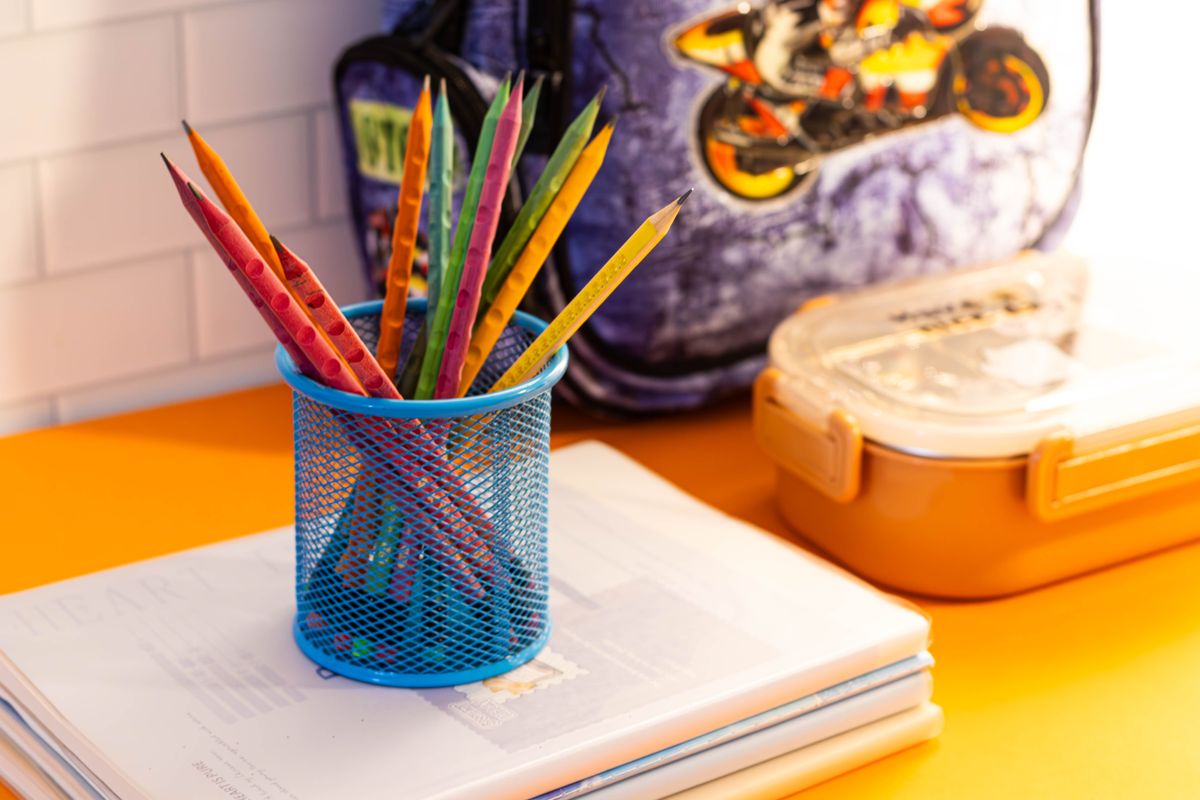
A School Bag Check That Belongs to the Child
Build a practical packing routine with clear places, a short checklist, and age appropriate adult support.
 Education & Family
School readiness, study skills, exam preparation, and navigating the education system.
Build a practical packing routine with clear places, a short checklist, and age appropriate adult support.
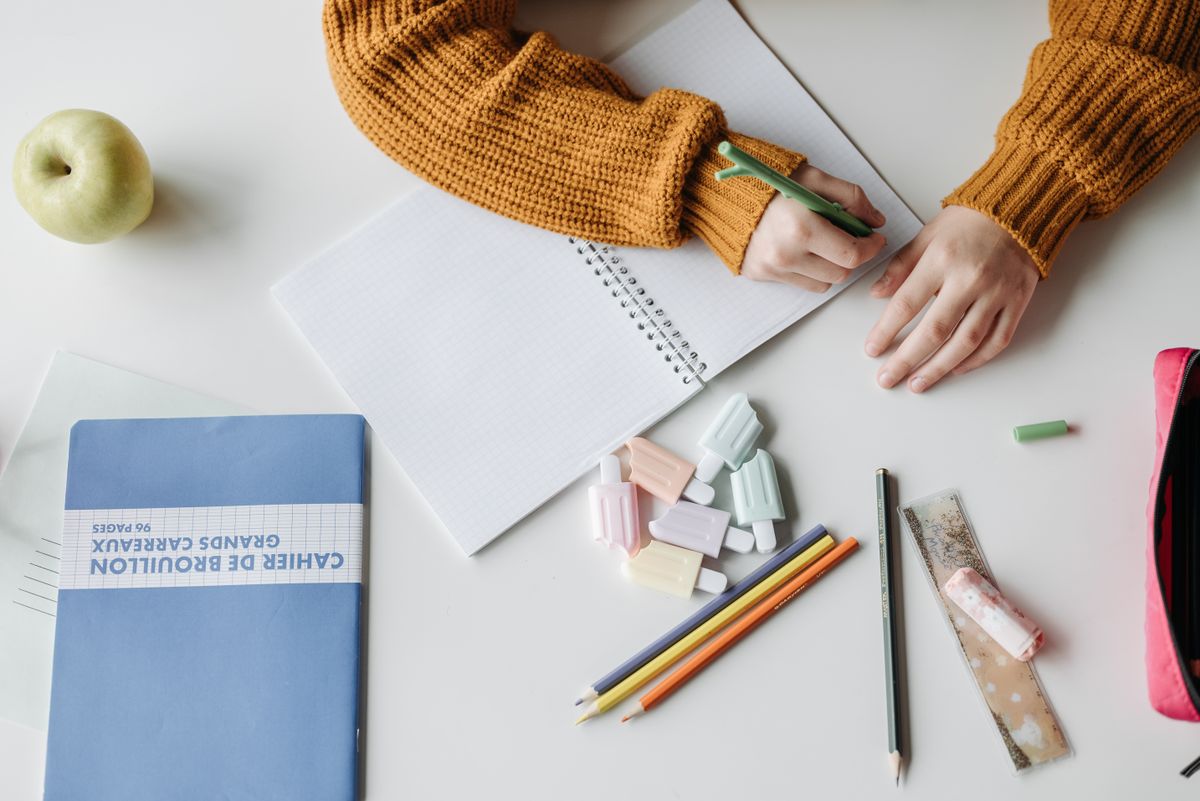
Support the starting process, clarify the task, and communicate useful questions to school while keeping the work the child’s own.
Help children turn a weekly timetable into a usable picture of their day, including materials, transitions, and questions to ask.
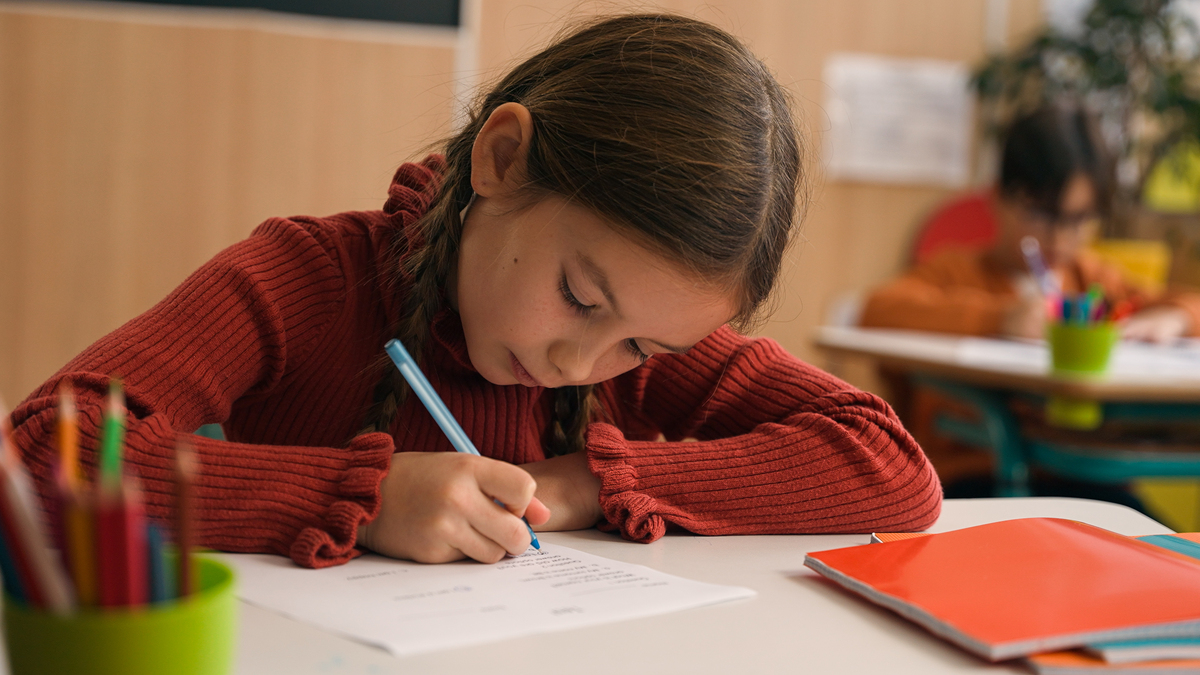
Parents and teachers work together through ongoing communication, shared goal setting, participation in learning, emotional support, and regular evaluation and reflection to promote children's academic progress and holistic development.
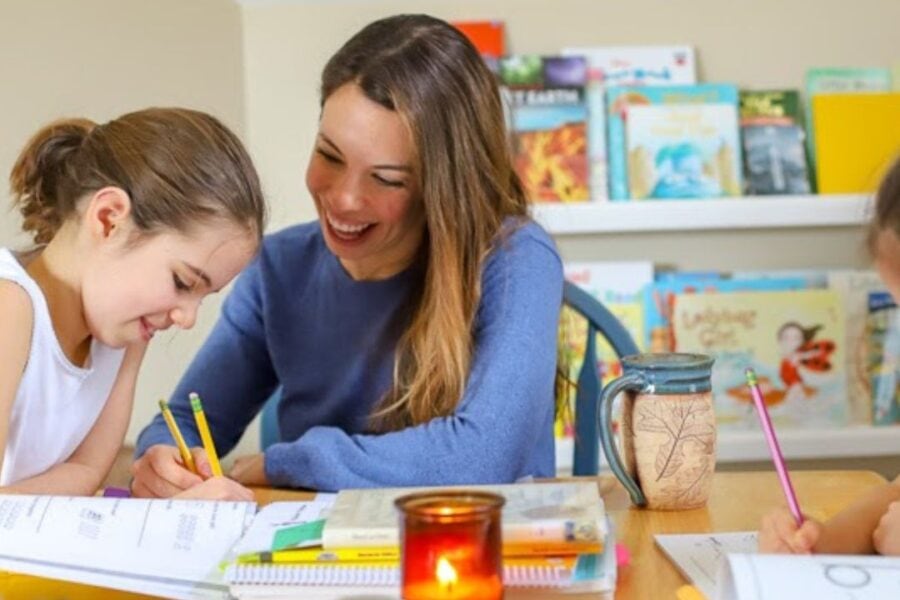
Some people say that a child’s growth is a one-way journey. School is the main place where children learn and grow, while the family is the soil that supports them.
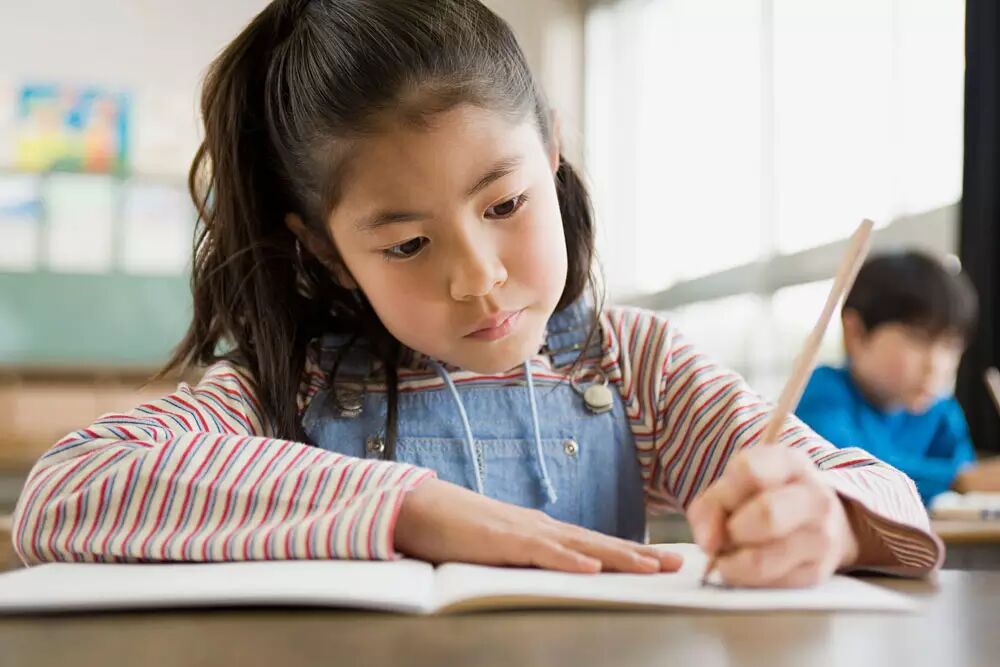
Good study habits play an important role in a student’s education. Developing good habits can have a lasting impact on a child’s life. So, how can we help students develop good study habits in the ordinary and sometimes repetitive routines of school life? It can be helpful to start with a few simple steps and gradually build these habits over time.
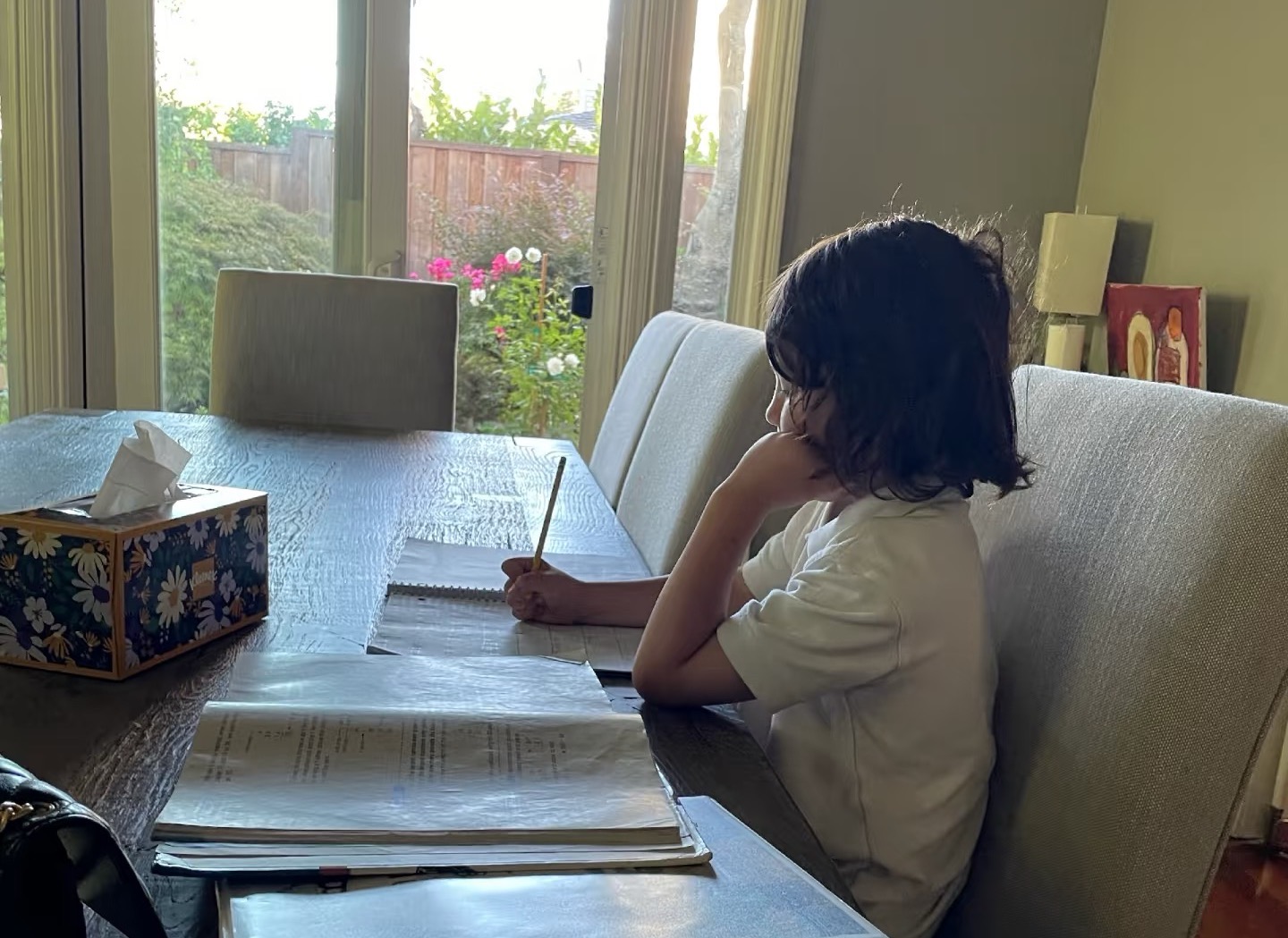
Homework management does not rely on nagging or scolding; a consistent routine, clear time boundaries, and calm parental support are all it takes to help children gradually develop autonomy, focus, and self‑checking habits, so they eventually start willingly, work more efficiently, and make fewer mistakes.
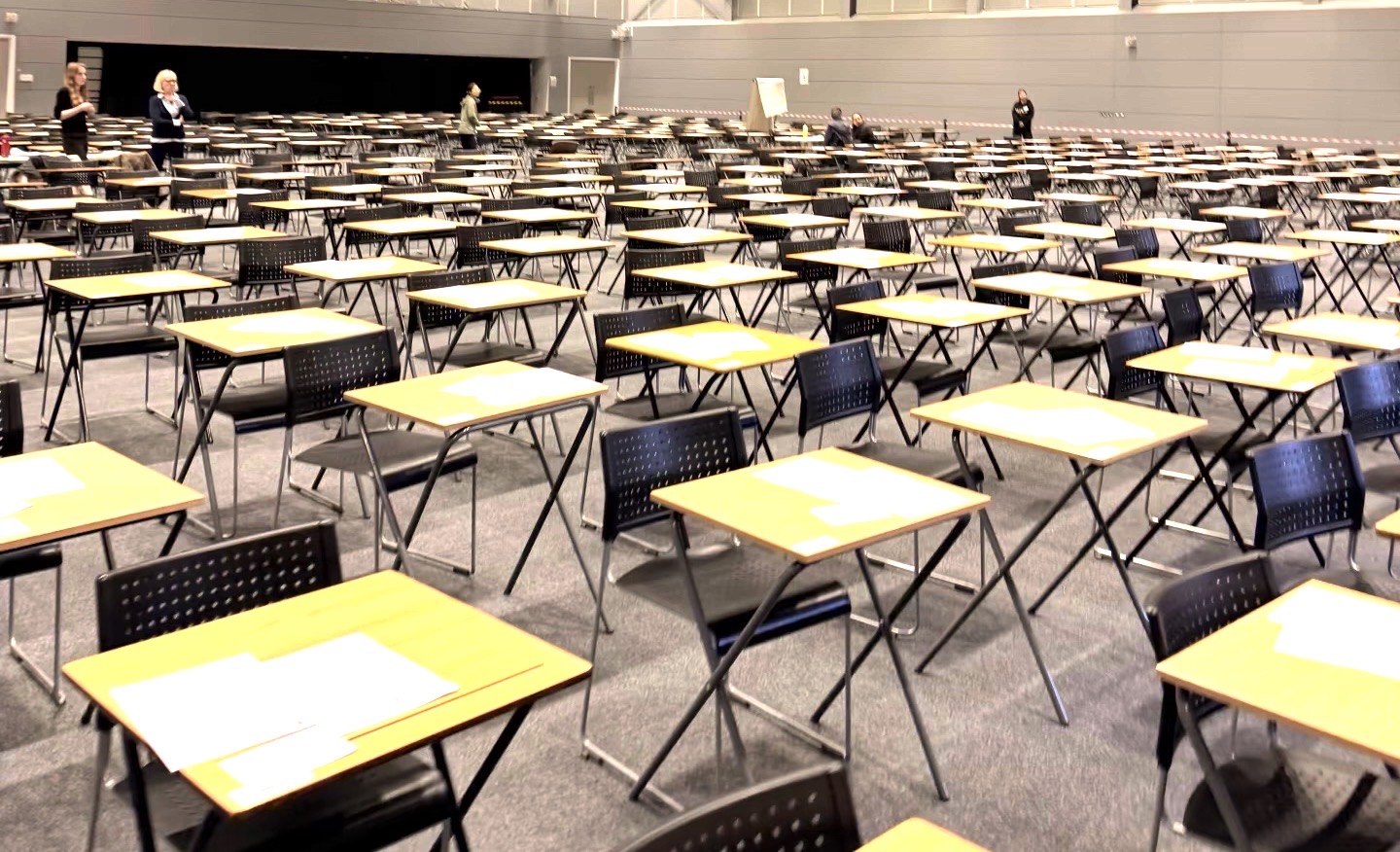
After exams, the real value of talking with your child lies in staying calm yourself, affirming their effort before reviewing mistakes, and using empathy plus concrete steps to turn grades into fuel for growth.
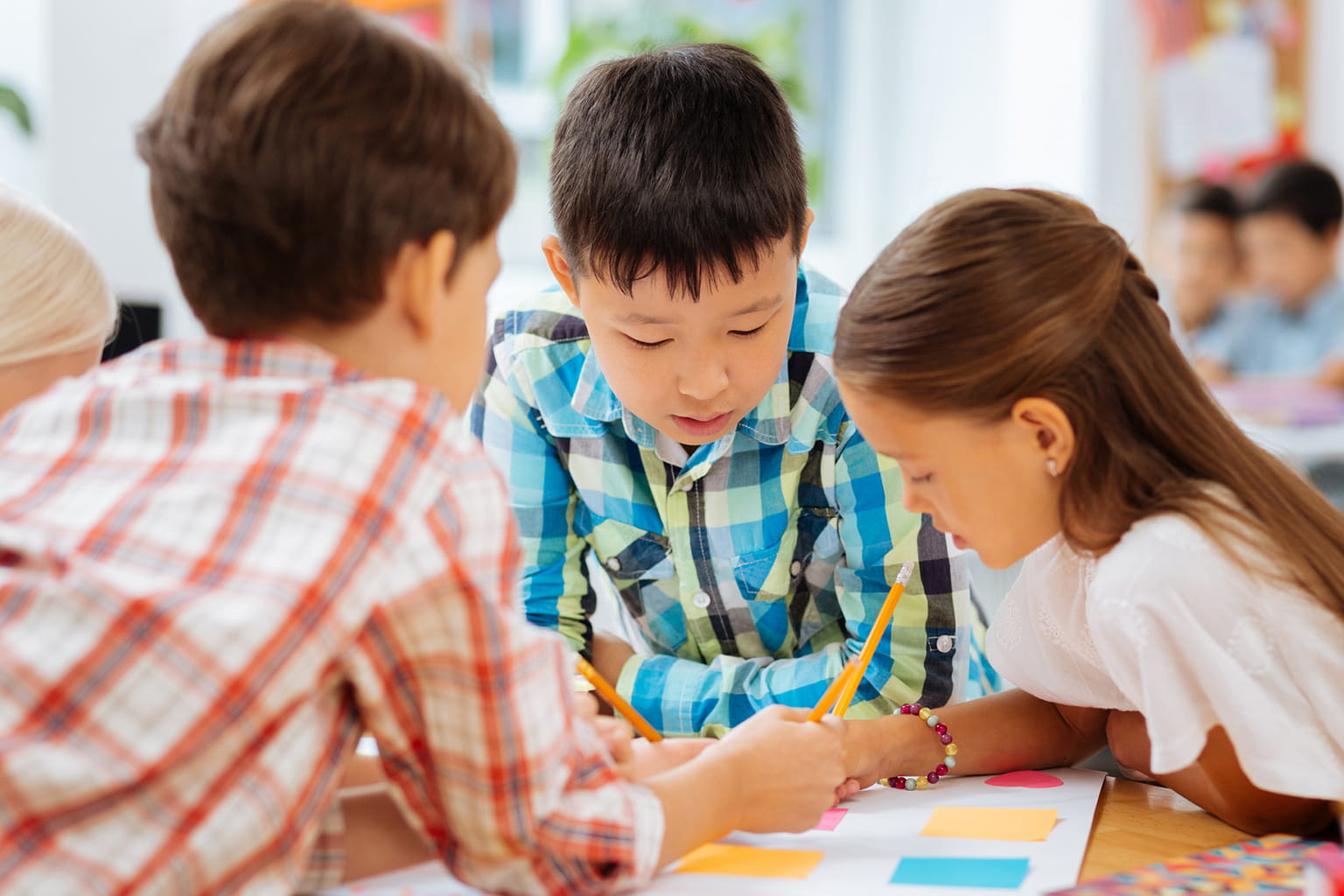
When children are faced with a new school environment, teachers, and classmates, adjusting to the changes can take time. A better understanding of what is happening in a child's brain can help parents
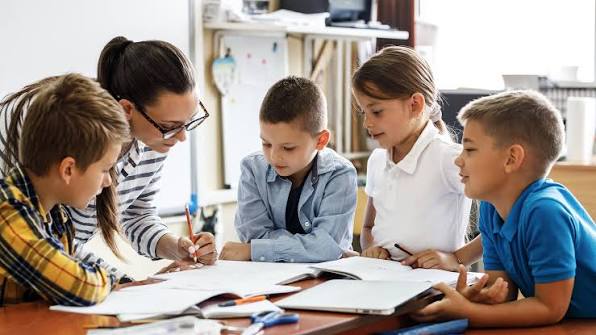
There is a saying: “What is learned in childhood becomes second nature, and habits become part of who we are.” For elementary school students, developing good study habits is especially important. Onc
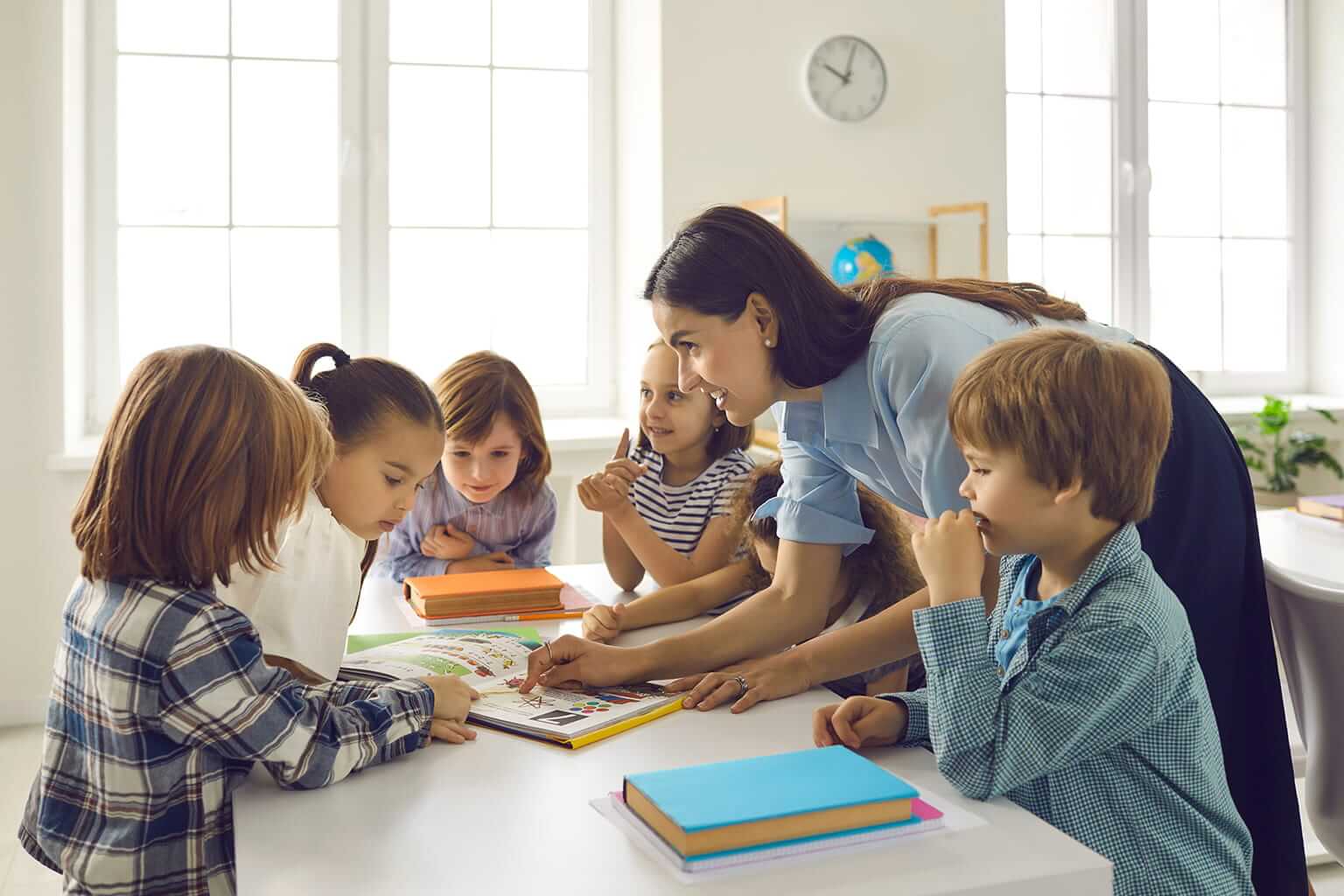
Social and Emotional Learning, commonly known as SEL, refers to a range of educational approaches that help students develop social and emotional skills. These skills include self-awareness, self-mana
Many parents have experienced this situation: they spend a great deal of time teaching and guiding their children at home, yet the child continues to have problems at school. In many cases, the root of the problem is not entirely the child or the teacher. Instead, it may be that the family and the school are not working together toward the same goal.