Learning Resources NEW
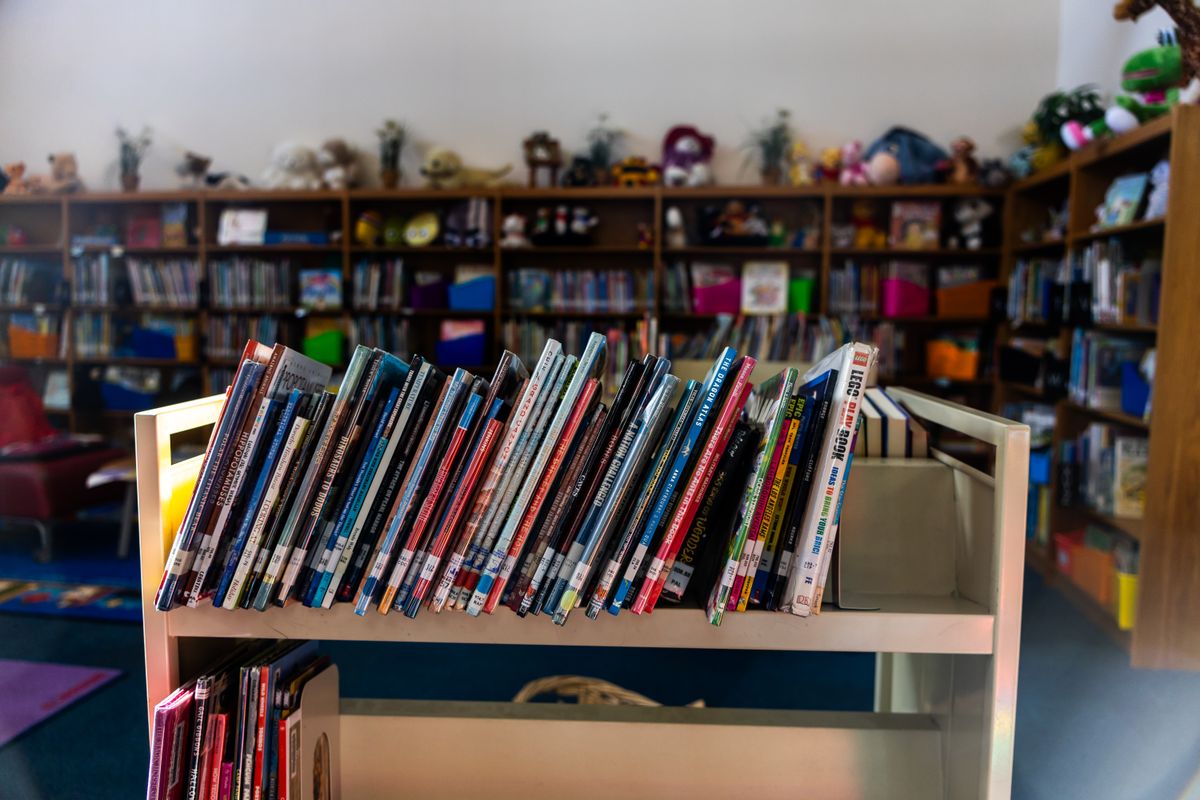
A Library Visit with One Good Question
Help children use a library as a place to follow an interest, compare sources, and ask for help.
 Education & Family
Curated educational tools, book recommendations, STEM activities, and homeschooling guides.
Help children use a library as a place to follow an interest, compare sources, and ask for help.
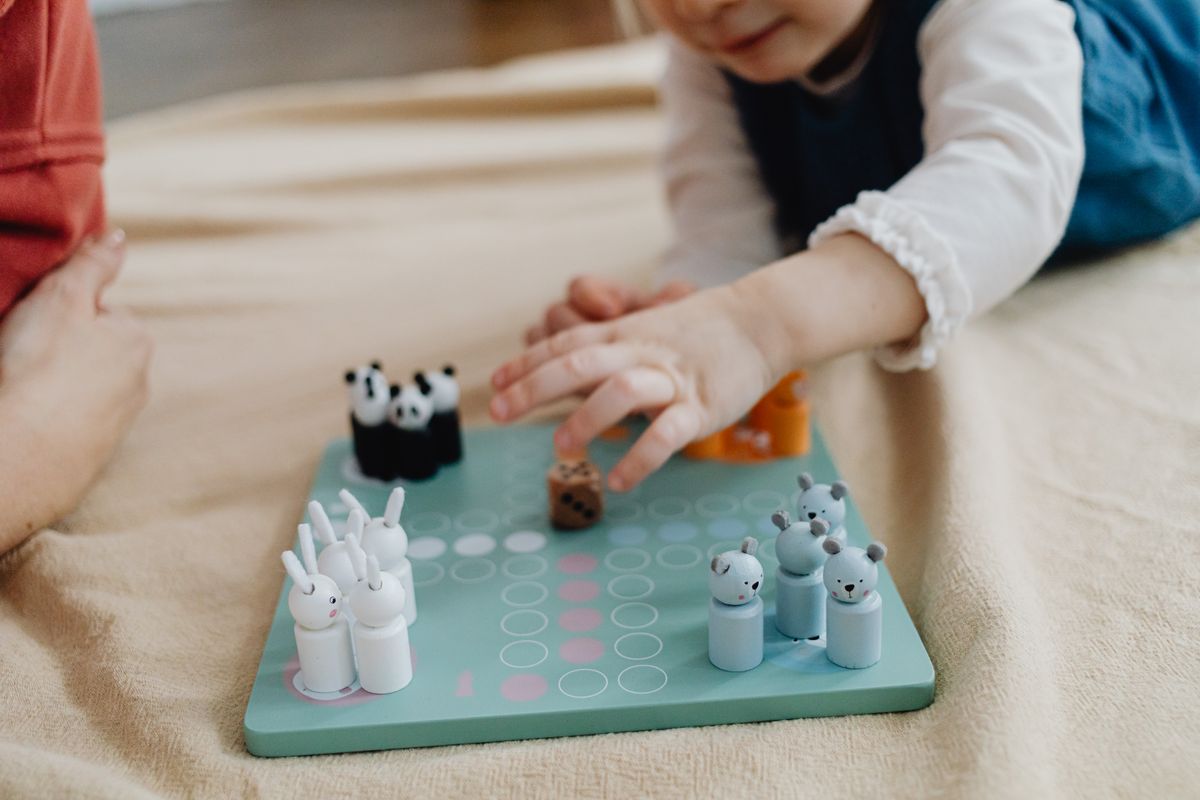
Make a small paper board game that gives children a reason to count, test rules, and revise a design.
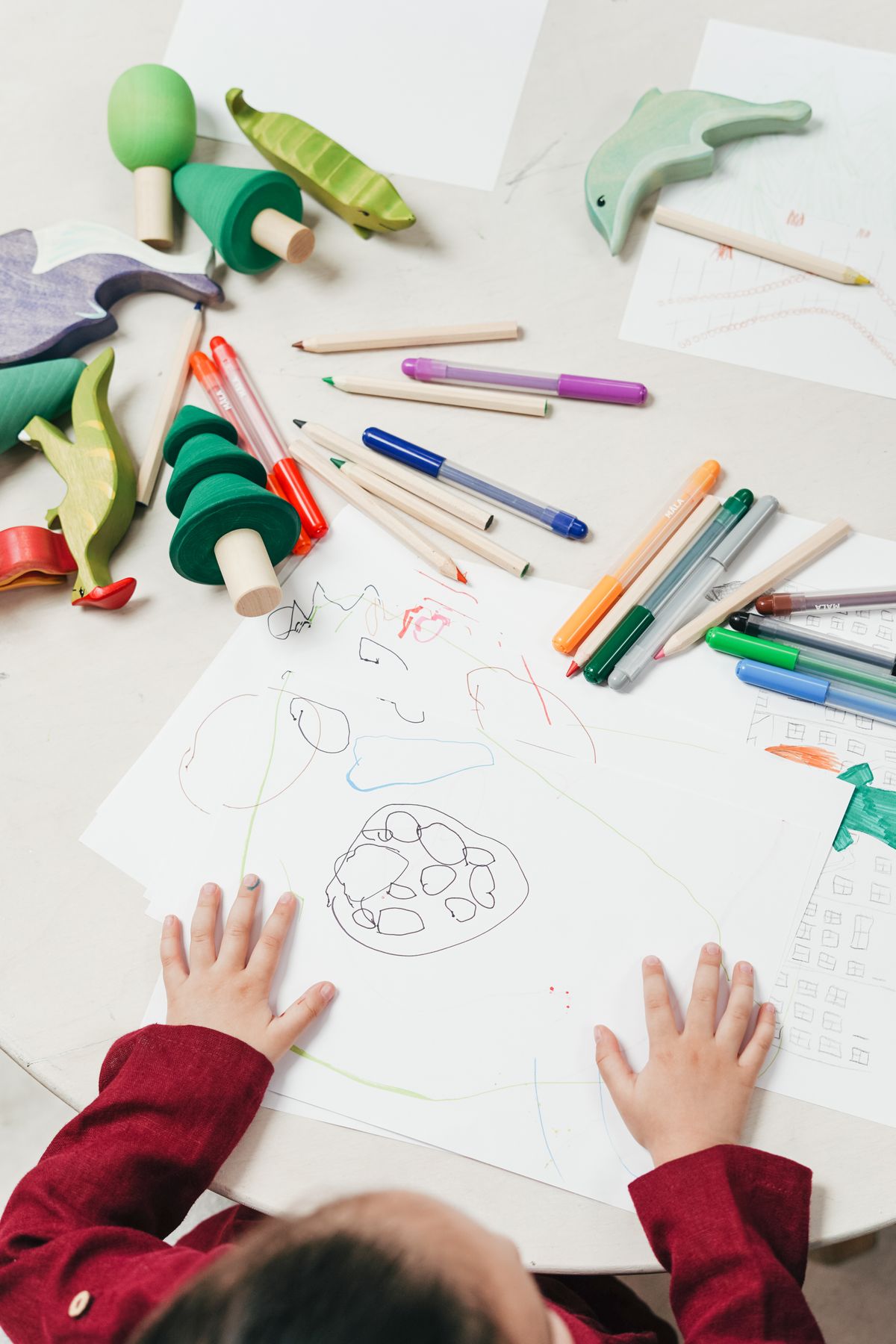
Create a simple place for children to keep questions, observations, and unfinished ideas without turning curiosity into homework.
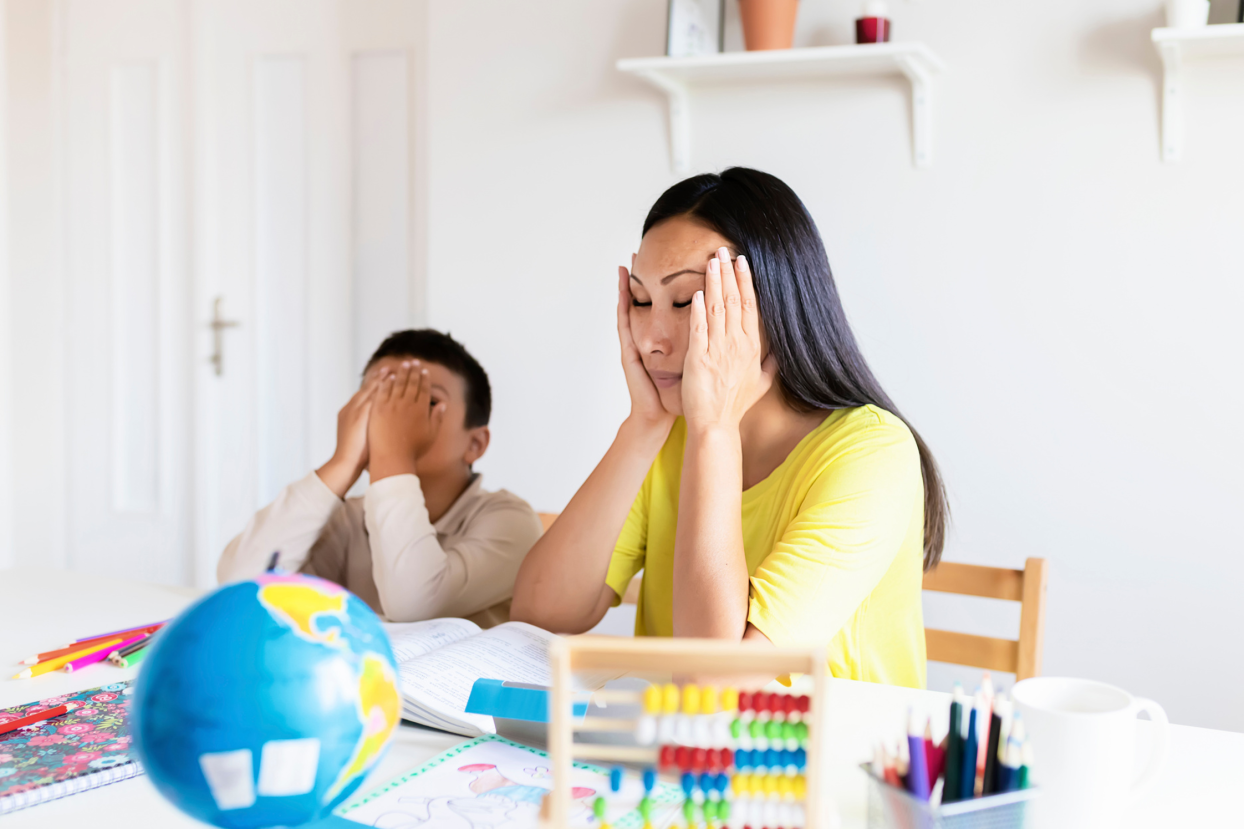
Every evening, countless families go through the same “homework battle.” Parents remind their children to start, and they write a few lines. Stop reminding them, and they immediately start daydreaming

In today’s rapidly developing digital age, children have access to an enormous amount of learning resources. With so many educational materials available, helping children choose the right ones has be
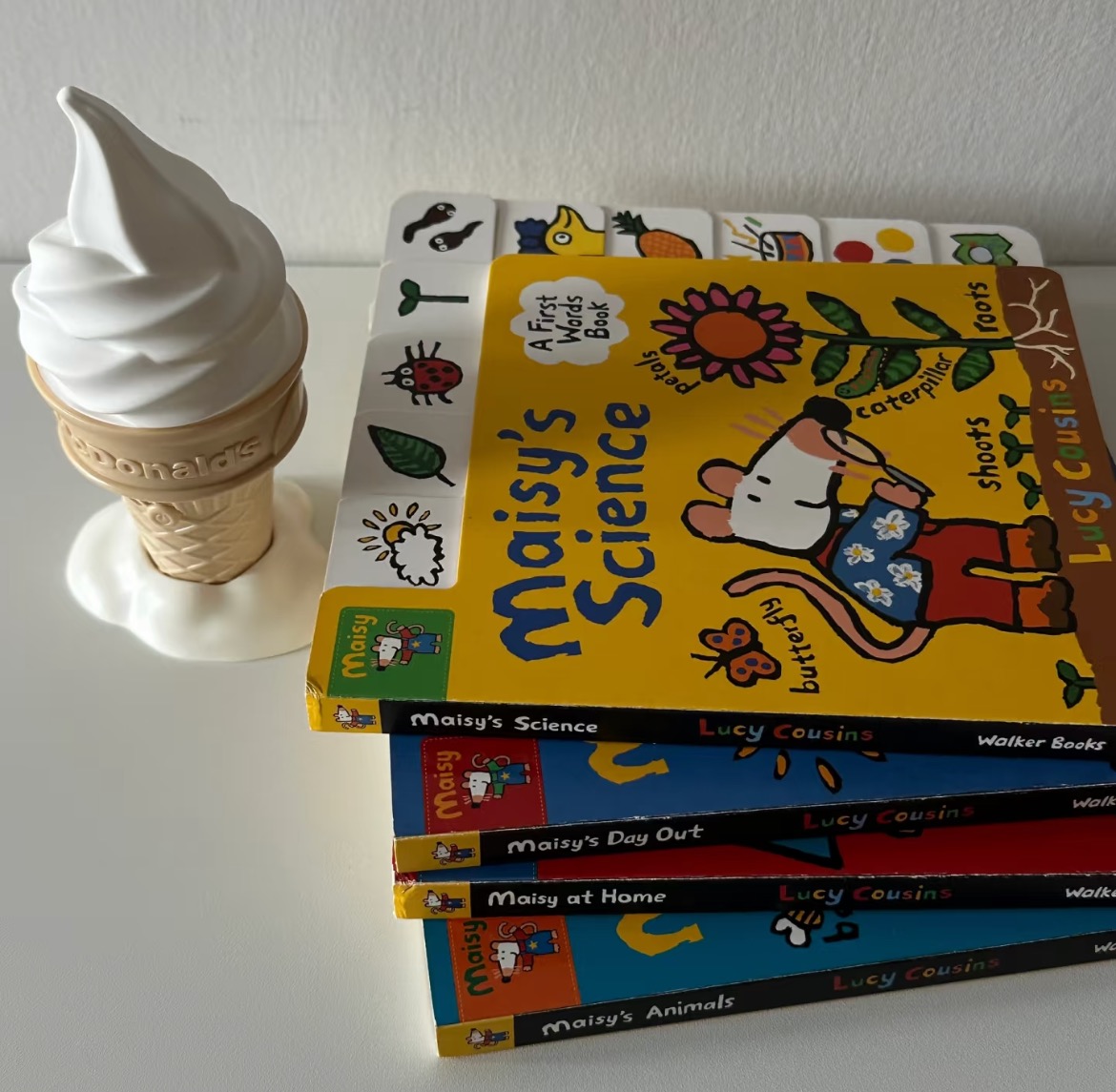
Shared picture-book reading should begin at birth, with book types selected according to a child's age from 0 to 6, and its effectiveness improved by matching the book's tone, using voices to bring characters to life, and asking timely questions that convey thoughtful interpretation and emotion.
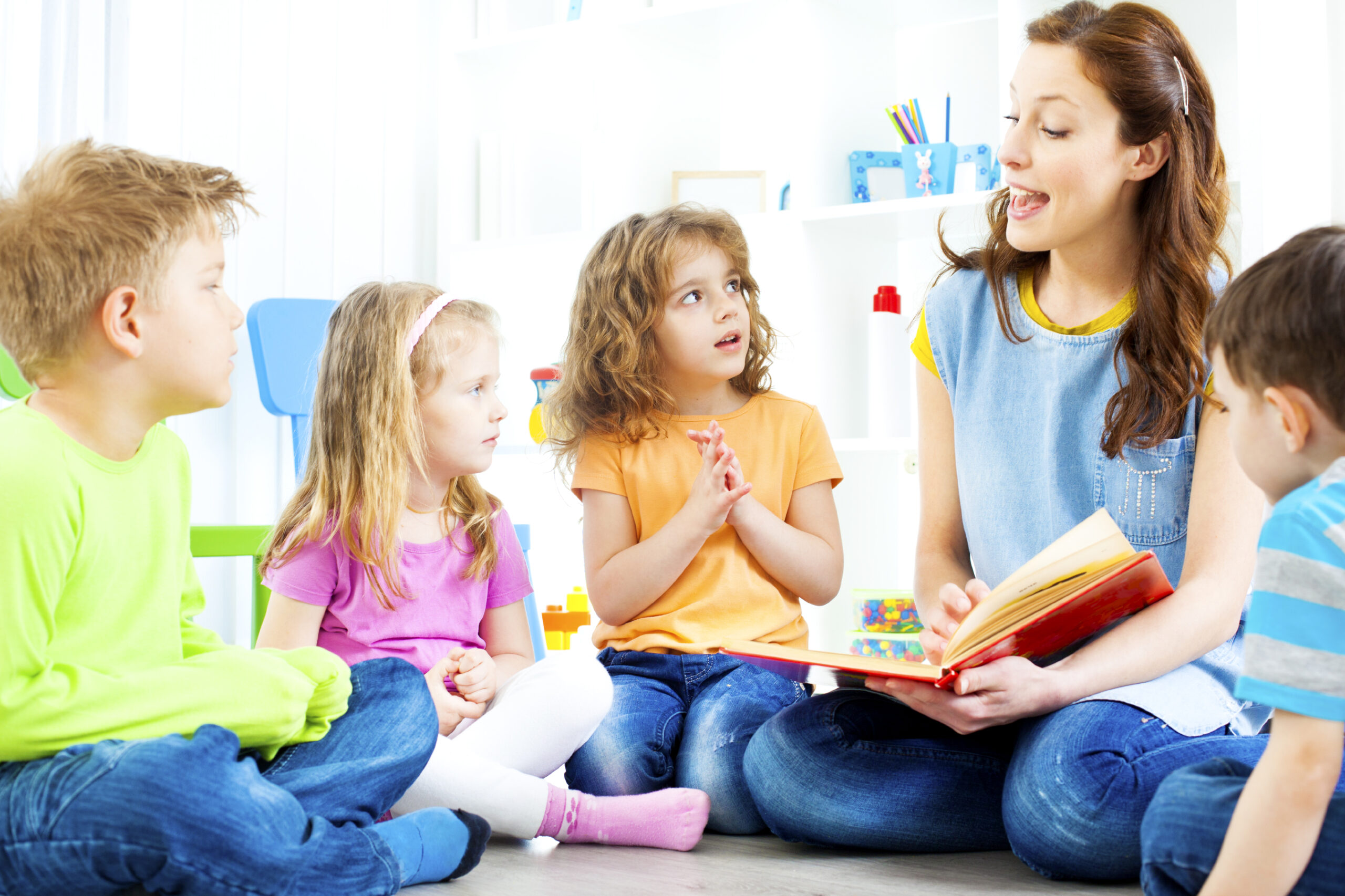
In today’s rapidly developing digital age, children have access to an enormous amount of learning resources. With so many educational materials available, helping children choose the right ones has be

Children of different ages have different levels of cognitive development and different ways of learning, so choosing appropriate learning resources is important. The following guide explains the lear
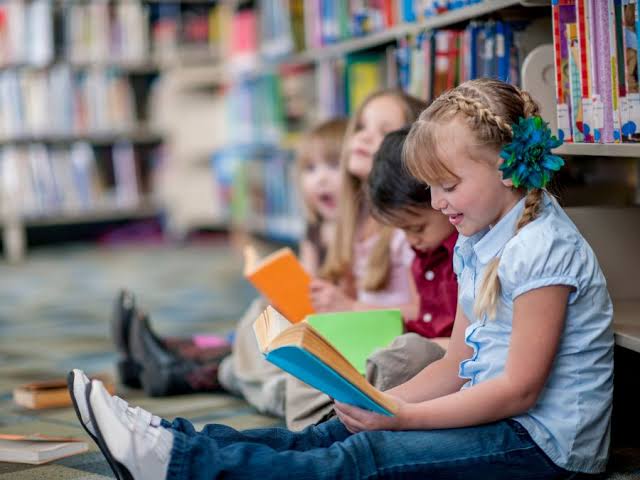
Every summer vacation, many parents start to worry. Their children spend day after day at home playing on their phones, watching short videos, and sometimes playing games. Homework gets pushed back un
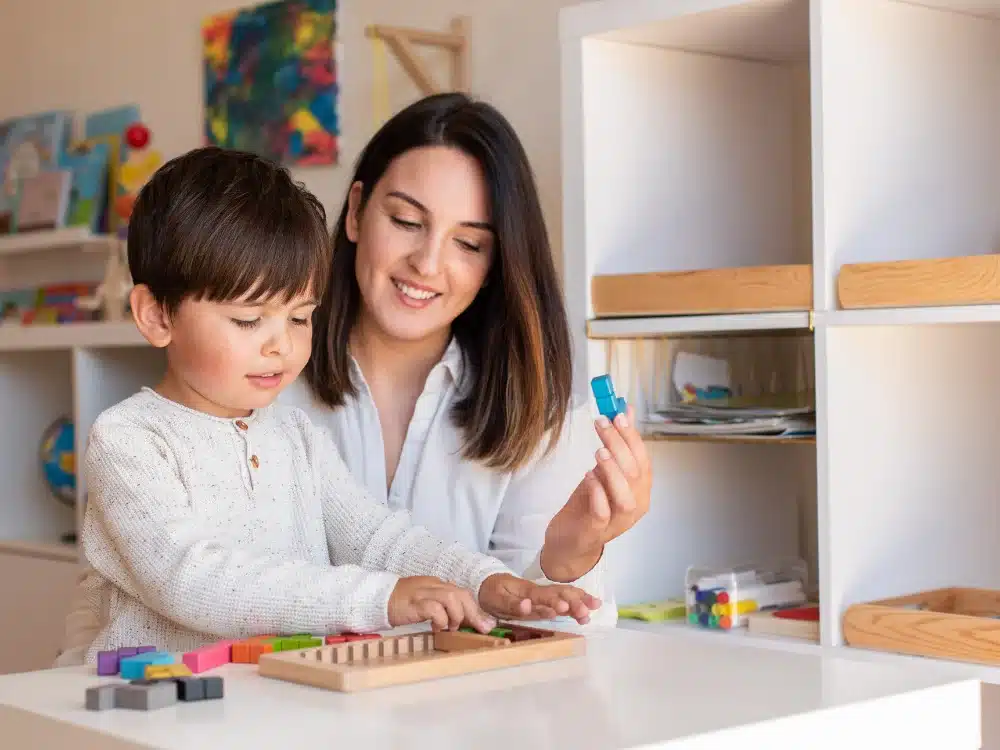
As the new school year begins, children return to the classroom, and many parents start facing the same old challenges. Some children seem able to study on their own, while others need constant persua

Following the six stages from 0–1, 1–2, 2–3, 3–4, 4–5, and 5–6, with each stage focusing in turn on habits and security, language and boundaries, emotions and social skills, preschool adjustment, learning qualities, and school readiness, this gives parents a step‑by‑step family education checklist to follow.
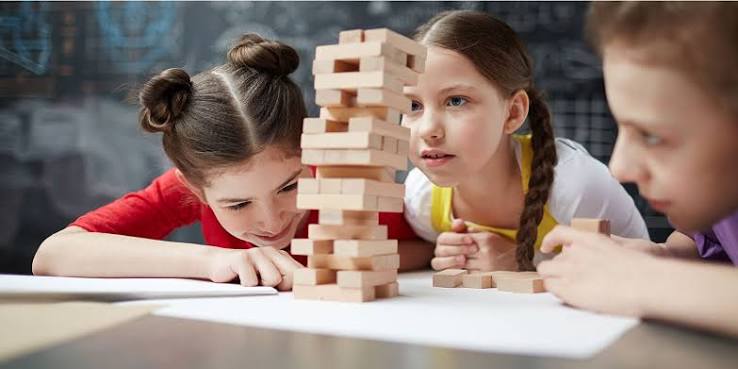
Play is not only a natural activity that young children enjoy; its ability to support children’s development also makes it an activity with strong educational value. From the perspective of deep learn