
Lifestyle NEW
A Family Evening Reset for Shared Spaces
Use a brief, flexible routine to prepare tomorrow without making the whole evening a sequence of demands.
 Education & Family
Healthy routines, family well-being, safety tips, and everyday habits for growing children.
Use a brief, flexible routine to prepare tomorrow without making the whole evening a sequence of demands.

Prepare a practical arrival and cleanup routine so ordinary wet weather does not turn every outing into a household argument.
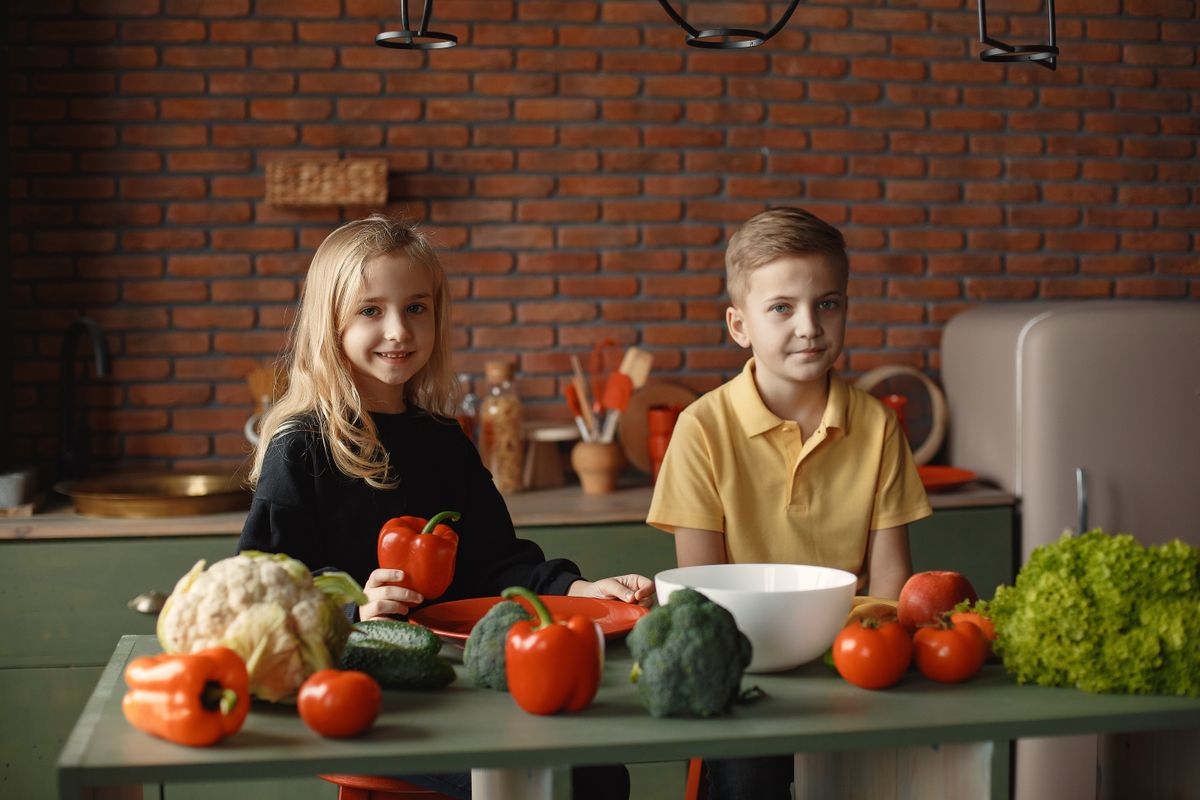
Choose safe, useful kitchen jobs and organize the workspace so children can contribute without taking over meal preparation.
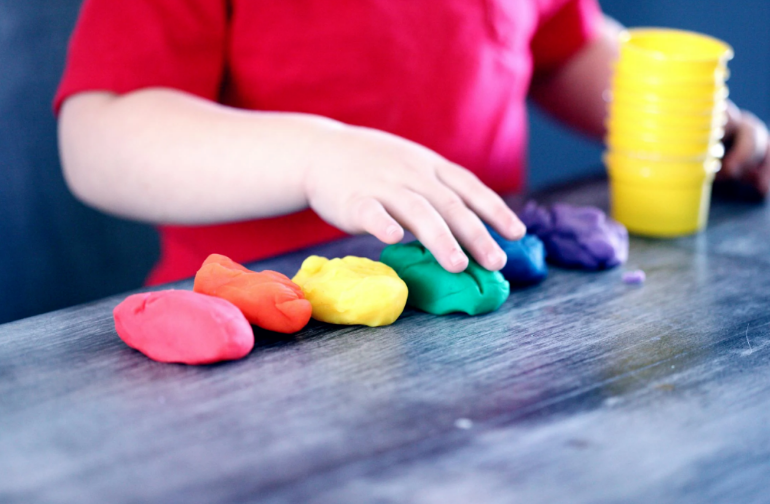
By choosing suitable storage tools, setting fixed tidying areas, making workable plans, offering moderate encouragement, developing sorting awareness, and regularly clearing and updating items, parents can gradually help children build tidying habits.
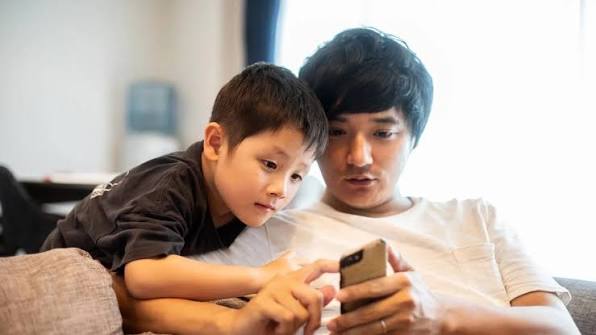
Every parent worries about their child’s safety, but teaching children how to protect themselves is the real foundation of keeping them safe. Education experts recommend the following 10 questions as
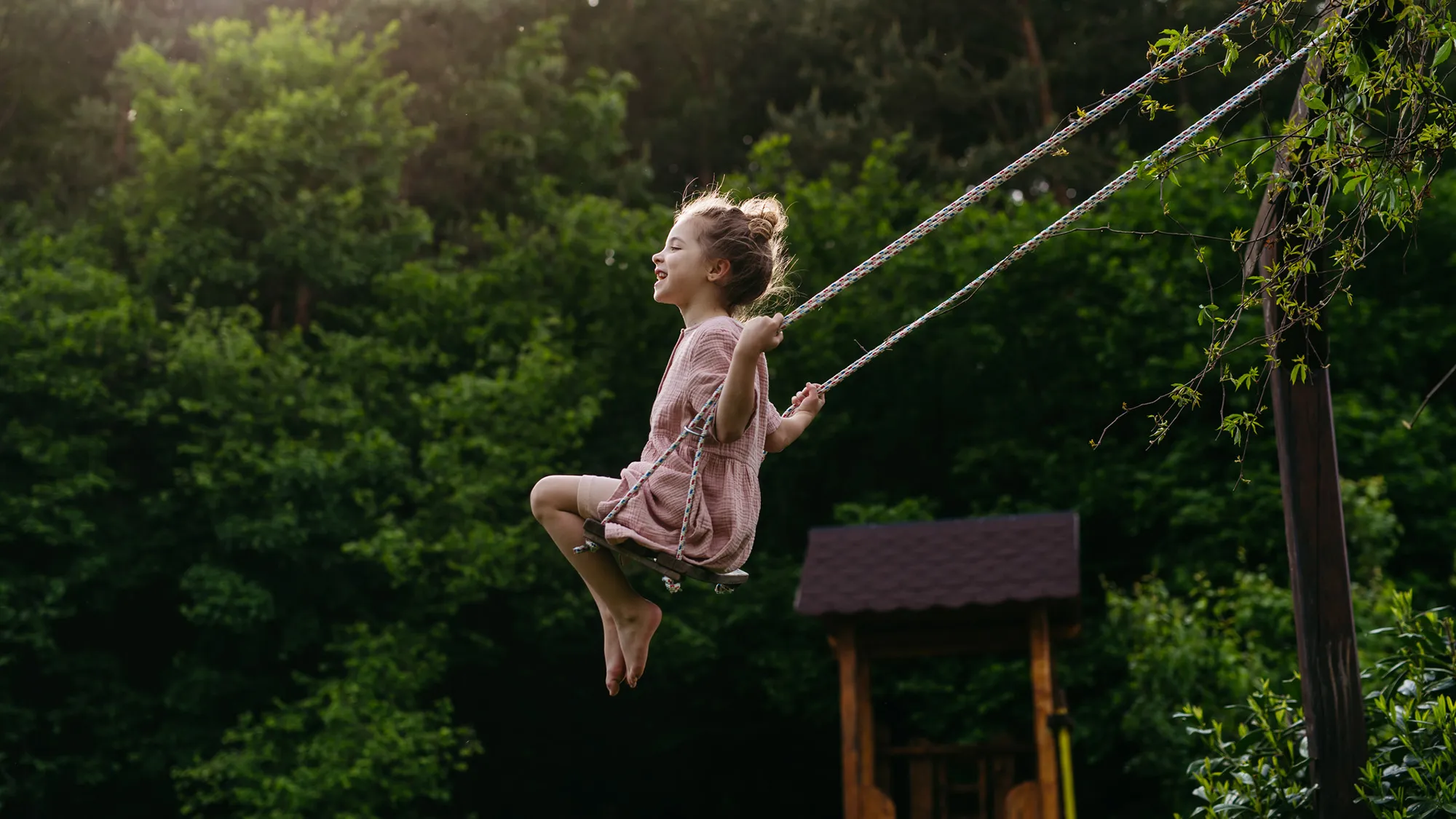
Outdoor play gives children valuable opportunities to explore, move, and enjoy nature, but it also brings important safety considerations. Learn practical ways to reduce risks around water, insects, sun and heat, and crowded places while helping children enjoy outdoor adventures safely.

A child's sleep environment can have an important influence on the quality of their sleep. The bedroom should have fresh air and a comfortable temperature. A small night-light may be used in the bedro

Good sleep supports children’s growth, learning, emotional regulation, and overall health. Learn how sleep needs change with age, what can interfere with healthy rest, and how parents can build practical bedtime habits that support better sleep.
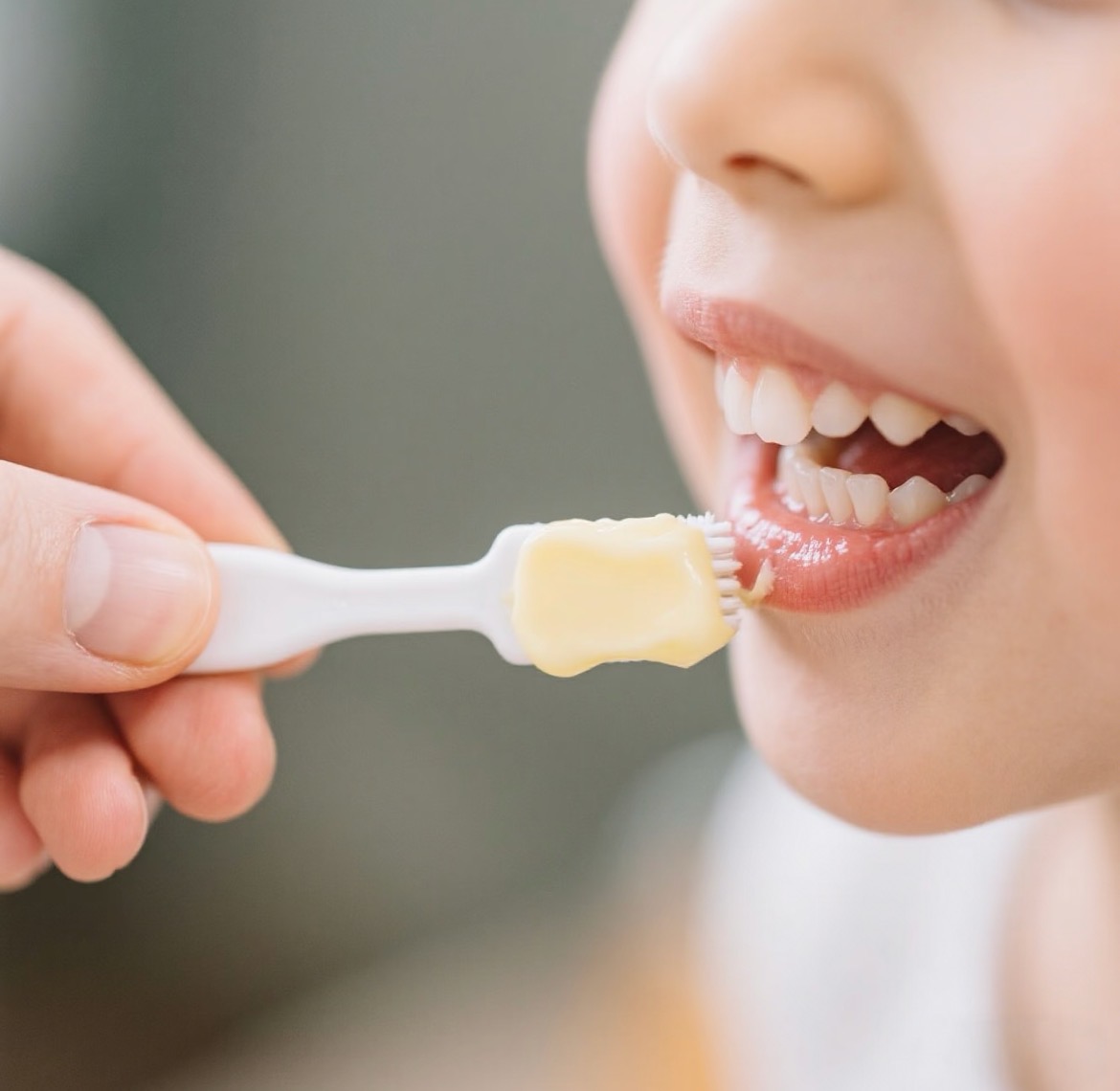
A full-cycle guide to children’s oral health management from pregnancy through adolescence, emphasizing stage-specific care, prevention, and regular checkups to help children achieve lifelong oral health.
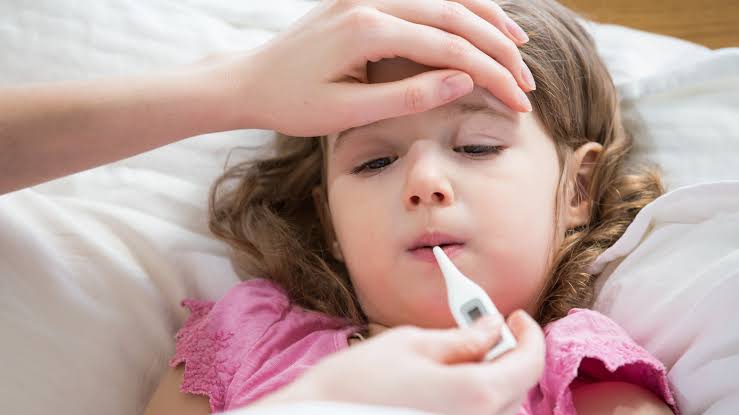
Children experience many common illnesses as they grow, from RSV and ear infections to hand, foot, and mouth disease and seasonal allergies. Learn the typical signs of 11 childhood conditions, why some require closer attention, and when parents should seek medical care.
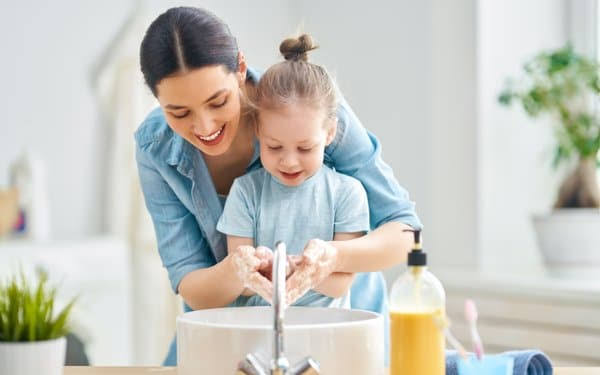
Most illnesses are closely related to personal hygiene habits.

Three key nutritional strategies – Omega-3, complex carbs with B vitamins, and iron-zinc-magnesium – plus a one-day brain-food meal plan can improve focus, but limit refined sugar, artificial additives and trans fats, make changes gradually with family involvement, and remember that nutrition does not replace adequate sleep, exercise, or engaged parent-child interaction.