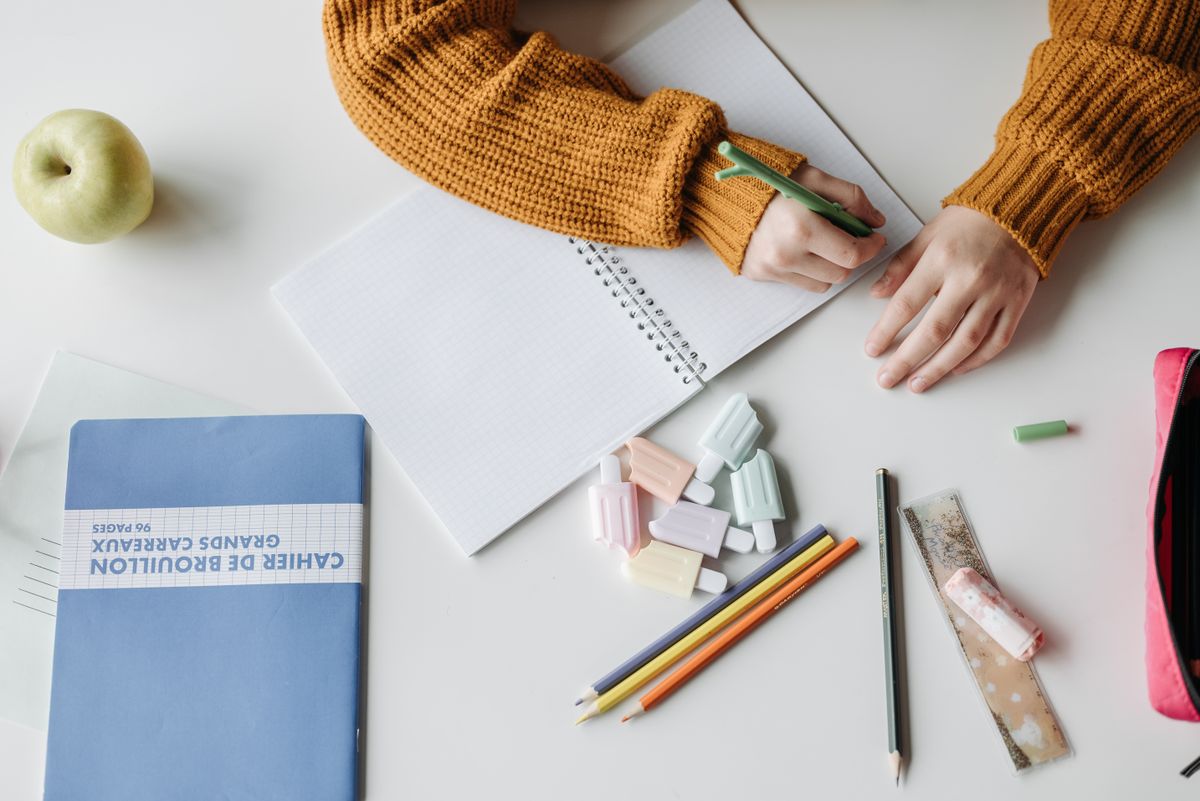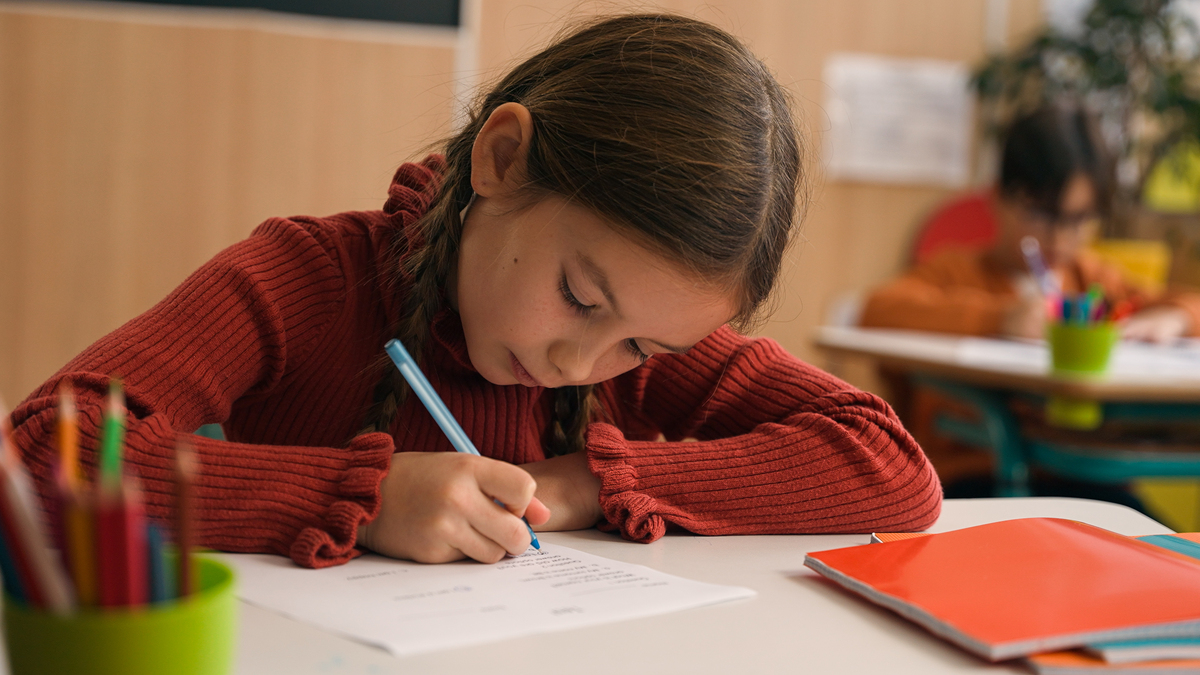
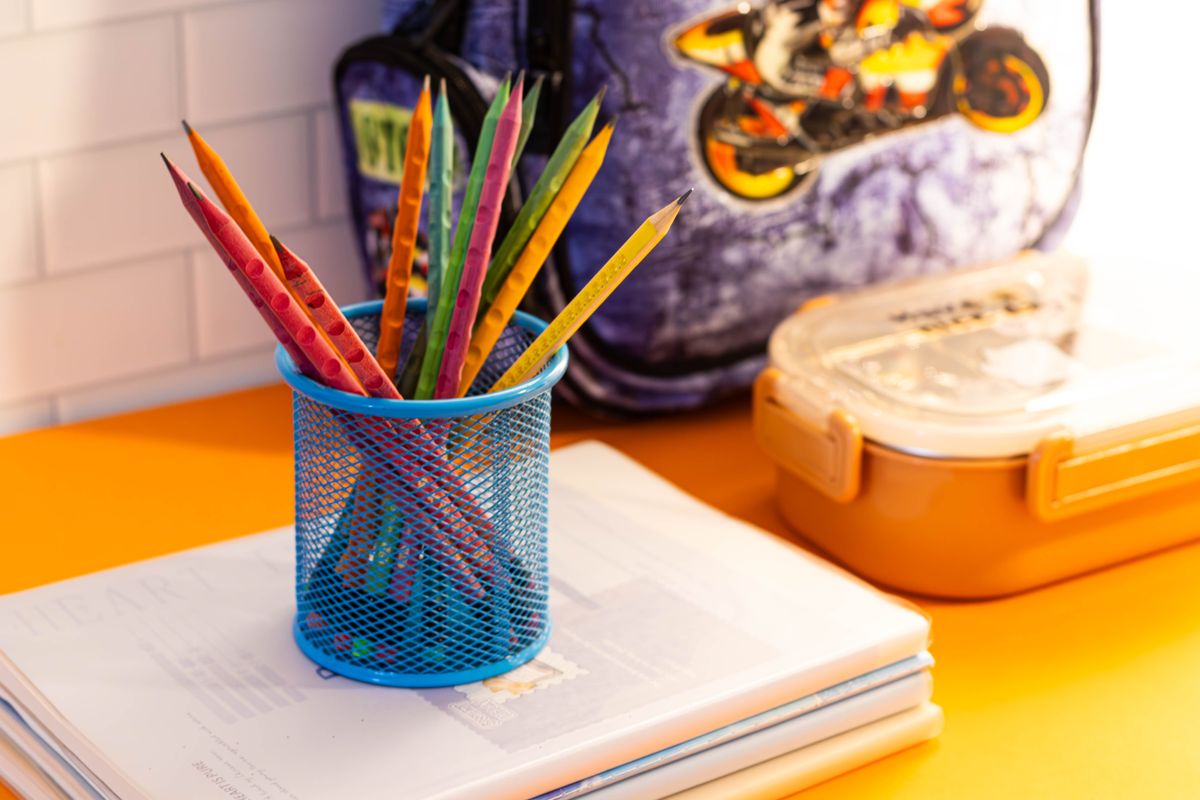
A school bag can become a daily point of friction: a missing book, a crumpled notice, a bottle left inside, or materials discovered only when the family is about to leave. A bag check helps when it gives the child a sequence they can understand and gradually manage. It works less well as a surprise inspection in which the adult finds every mistake. Start with the school's actual requirements and the child's current ability. The goal is a ready bag and a clearer process, not perfect independence from the first attempt. Adults remain responsible for essential communication and for support that the child still needs.
Find out what really needs to travel
Read current school guidance and ask the teacher if something is unclear. Different classes may have different expectations for books, devices, stationery, clothing, and food containers. Do not copy another family's list without checking that it applies. Remove items that are no longer required, and keep special arrangements separate from the ordinary daily list. A crowded bag makes useful objects harder to find.
Discuss the contents with the child. They may know that one pocket is difficult to open or that a large folder does not fit without bending. Check the bag's fit, condition, and load in line with relevant guidance for your child; seek appropriate advice if carrying it causes difficulty or discomfort. A packing routine cannot fix unsuitable equipment. Choose a safe, manageable arrangement rather than expecting the child to compensate for a bag that does not work for them.
Give the bag a reachable home
Choose one place where the bag can be opened fully. A narrow hook behind coats may store it neatly but make checking awkward. A clear patch of floor or a low stable surface can be more practical. Keep the area away from tripping routes and hazards. Put associated items nearby when sensible, such as a folder for school papers or a suitable place for clean reusable containers.
Let the child help name the location and decide which pocket holds which type of item. Keep that arrangement stable while the routine is new. Adults should manage any materials requiring special care or security. If several children share a space, make ownership clear without creating an elaborate storage system. One labeled place per bag and a separate shared paper tray may be enough. The best setup is the one the family can use during an ordinary busy evening.
Separate unpacking from repacking
Begin with an arrival routine. Remove items that need cleaning, hand school papers to the responsible adult, and place work in its agreed location. Repacking happens after required items are ready. Trying to do both at once can lead to dirty containers being returned to the bag or papers being moved repeatedly without anyone reading them.
Teach the arrival sequence with a few clear steps and stay nearby at first. Show what belongs to the child and what needs adult attention. A young child should not be the only person responsible for important school notices or digital messages. Check official communication channels separately. The child can learn to deliver papers while the adult maintains a reliable way to know about essential requirements and changes.
Make a checklist small enough to use
List the regular essentials in words, pictures, or both. Put the checklist where packing happens rather than in a drawer. Use images the child understands and arrange them in the same order as the packing sequence. Avoid a long sheet containing every item that might be needed across an entire term. A separate reminder can handle an occasional activity or a special event.
Invite the child to touch or point to each item as they check it. This connects the list with the actual contents rather than a memory of yesterday's bag. If the child marks a box, make sure the action means the item has been checked, not simply that the list looks complete. There is no need to create a formal record of every day. A reusable card can guide the process without becoming another piece of paperwork.
Demonstrate the check, then step back gradually
Show the sequence once at a calm time. Open the bag, compare one item with the list, place it in the agreed pocket, and continue. Explain any important handling point, such as keeping papers in a folder. Then let the child lead while you offer short cues. Ask, "What is next on your card?" instead of naming every object yourself. The checklist should eventually carry some of the reminder work.
Reduce help according to what you observe. You might move from working together to checking the finished bag nearby. Some children will need continuing assistance, and that is acceptable. Do not remove support suddenly to test whether they have learned. The purpose is reliable participation. If a step repeatedly goes wrong, teach that step again or change its setup instead of treating the entire routine as unsuccessful.
Solve missing items without a blame cycle
When something is missing, search the most likely places in a clear order. Ask where it was last used and check the usual storage location. Avoid a running commentary about carelessness. If the item may be at school, follow the school's normal process for locating it. Label possessions appropriately and respect any school rules about what can be brought from home.
If a required item cannot be found before departure, decide on the practical next action. Contact the school if necessary, provide a suitable alternative only where permitted, and explain the situation honestly. Do not invent a story for the child to repeat. Later, review how the process could improve. A book repeatedly left in another room may need a designated return tray; a missing notice may call for a clearer handover point.
Keep the adult check proportionate
Adults may need to verify essential items while the routine is developing. Do so openly and respectfully. "Let's check the list together" is different from secretly searching belongings to catch an error. As children grow, discuss reasonable privacy and safety expectations around their possessions. Follow the needs of the situation rather than assuming one approach fits every age or circumstance.
Avoid redoing the entire arrangement merely because it differs from your preference. If the bag is safe, functional, and meets requirements, accept a pocket choice that works for the child. The routine should become theirs. Thank them for concrete steps they managed, such as handing over the notice or checking tomorrow's book. The adult's confidence should be based on a workable process, not on the bag looking exactly as the adult would pack it.
For items that move between two homes or caregivers, agree on a clear handover rather than expecting the child to remember every arrangement. A short shared list can identify what travels and what stays. Keep private family information out of any school facing note. The aim is to reduce uncertainty for the child, with adults coordinating the parts that depend on decisions outside the child's control.
Review after a real school week
Ask which items were easy to find and which caused trouble. Check whether the list still matches school requirements. A new timetable, activity, or season may call for a change. Update the card with the child so the reason is clear. Keep the routine brief enough that it can happen consistently without taking over the evening.
Some mornings will still involve a forgotten item. Respond to the immediate need and return to the process later. A useful bag check reduces avoidable confusion; it does not remove every mistake from family life. Over time, the child can take a larger role in noticing requirements, locating materials, and asking for help before departure. That gradual transfer is more valuable than a temporary appearance of independence supported by an adult quietly doing all the work.