
Homework can become confusing long before a child reaches a difficult question. They may be unsure what was assigned, unable to find the right page, or worried about making a mistake. An adult can help with those obstacles without supplying the answers. The useful boundary is not complete withdrawal. It is support that makes the task understandable while leaving the thinking and writing with the learner. Follow the school's guidance about homework and ask for clarification when needed. Expectations differ by age, subject, and individual support plan. A calm explanation of what the child can and cannot do independently gives the teacher more useful information than a page completed through hidden adult effort.
Establish what the assignment actually asks
Read the instruction together before beginning. Ask the child what they think the task involves and compare that explanation with the written directions. Check the page, date, or online message through the school's normal system if necessary. Do not assume a child who starts the wrong activity is avoiding work. They may have misunderstood an abbreviation, missed a verbal instruction, or confused two similar sheets.
If the instruction remains unclear, write a brief question for the teacher rather than inventing a requirement. You can help the child attempt the part that is clear while noting the uncertainty. Avoid contacting other families repeatedly for unofficial interpretations when the school can provide the answer. Important instructions and accommodations should come through a reliable channel, especially when a task affects assessment or has specific rules about adult assistance.
Make starting physically straightforward
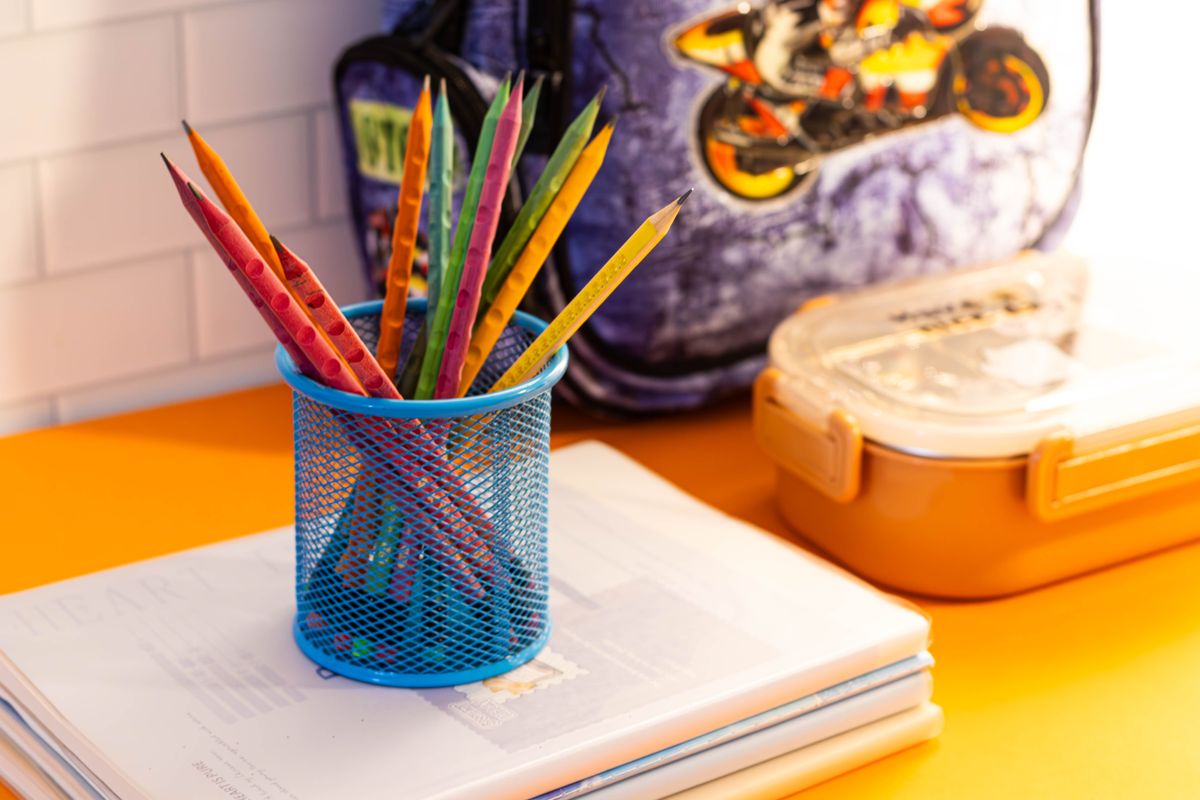
Choose a workable surface with enough light and the necessary materials. It does not have to be a separate study room. A clear end of the kitchen table may work if interruptions can be managed. Keep pencils, paper, and required books within reach, and remove avoidable distractions. Some children work well with an adult nearby; others prefer more quiet. Observe the child rather than assuming one ideal setup suits everyone.
Agree on a realistic time to begin that fits the household and school expectations. Consider transitions, hunger, movement, and other needs. A rushed start immediately after arriving home may not be useful for every child. Keep the arrangement flexible enough to accommodate activities or unusual days. The aim is a predictable opportunity to work, not a rigid schedule that creates a second conflict before the assignment has even been opened.
Ask for the first step, not the whole answer
Invite the child to identify where they will begin. They might read the first problem, underline a key word, find a relevant example, or list what they already know. If they are stuck, offer a strategy rather than a solution: "Is there a worked example in your book?" or "Can you show the problem with a drawing?" Keep suggestions consistent with what the school teaches where you know it.
Avoid introducing a faster adult method that leaves the child unable to explain the work. There may be a reason the class is practicing a particular representation. If you do not understand that method, say so and ask the teacher for guidance. A parent does not need to become a subject specialist to be supportive. Helping a child formulate a clear question is a legitimate contribution when the content itself is unfamiliar.
Let the child keep control of the page
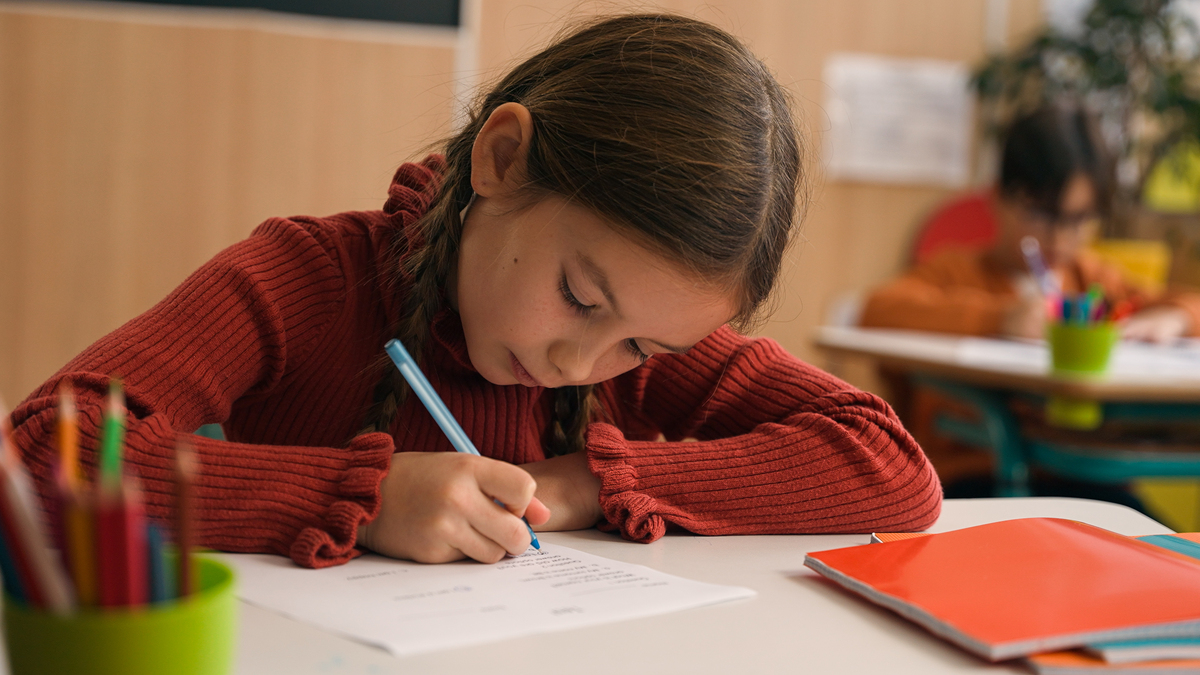
Keep your hands off the pencil, keyboard, or materials unless a specific agreed support need requires assistance. Point to a relevant section or use a separate scrap of paper for a general example. Do not erase, rewrite, or correct every line while the child is still thinking. Continuous intervention can make it difficult for them to know which parts are their own decisions.
If the task permits checking, ask the child to review one feature at a time. They might compare an answer with the question, reread a sentence aloud, or check that a diagram is labeled. Avoid demanding that all work look polished before it can be submitted. The teacher may need to see the child's current understanding, including errors. Follow school guidance about corrections and make any substantial adult help visible when appropriate.
Distinguish productive effort from being stuck
A pause can mean a child is thinking. Give time before intervening. Look for whether they are trying an approach, reviewing information, or making a reasonable attempt. Repeating the same action without understanding, becoming increasingly distressed, or not knowing what the task means suggests a different need. Ask what part is difficult and respond to that specific point.
Use breaks according to the child's needs and the school's expectations, rather than treating continuous sitting as the measure of effort. A short movement or rest period may make returning easier. Agree what happens after the break so it does not become another uncertain transition. If the task is repeatedly taking far longer than expected, note the duration and the type of help needed, then discuss the pattern with the teacher.
Respond to mistakes with useful information
Keep your response focused on the work. "This answer does not match the number in the question" is more actionable than "You are not paying attention." Ask how the child reached the answer before assuming the cause. An error may reveal a misunderstood instruction, a calculation slip, or a reasonable strategy applied in the wrong place. Those differences matter to the next step.
Do not require the child to defend every answer in a tense interrogation. Choose a small point to review and allow them to explain in words, drawings, or objects where suitable. If neither of you can resolve it, mark a question for school. Adults can model saying, "We need help with this part." Uncertainty handled honestly is more useful than confidently teaching an incorrect explanation simply to finish the page.
Communicate a pattern to the teacher
If difficulties recur, share specific observations through the school's preferred channel. Explain which task was attempted, what the child understood, what support was given, and where they became stuck. Keep the message factual and brief. Avoid diagnosing a learning difficulty from a few homework sessions or presenting another child's pace as the standard. The teacher can help interpret the pattern alongside classroom information.
Ask what kind of help is expected at home and how to signal incomplete work. Some schools prefer a note after a reasonable attempt; others have particular procedures or support arrangements. Follow the agreed approach and revisit it if circumstances change. The child should know that contacting the teacher is a way to get useful support, not a threat deployed when homework becomes frustrating.
If another caregiver supervises on some days, share the school's expectations and the strategies that have been useful. Avoid sending a long list of everything the child did wrong. A concise handover might say which instruction was unclear and which example helped. This gives the next adult a practical starting point while allowing the child a fresh session instead of inheriting yesterday's frustration as their reputation.
End with a clear handover
Help the child check that the work is identified and stored where it needs to go. A completed page left on the table may never reach school. Keep that finishing sequence short: name if required, materials together, assignment in the bag or submitted through the approved system. Adults should supervise online submission in a way appropriate to the child's age, privacy, and school rules.
Then let homework end. Avoid extending the session into extra practice simply because the child finished quickly, unless that is part of an agreed plan. Notice a useful strategy or a moment of persistence without making the evening's relationship depend on the result. The adult's role is to make the task accessible, preserve honest information about learning, and help the child know how to seek support. The page should still reflect the learner who will return to class tomorrow.