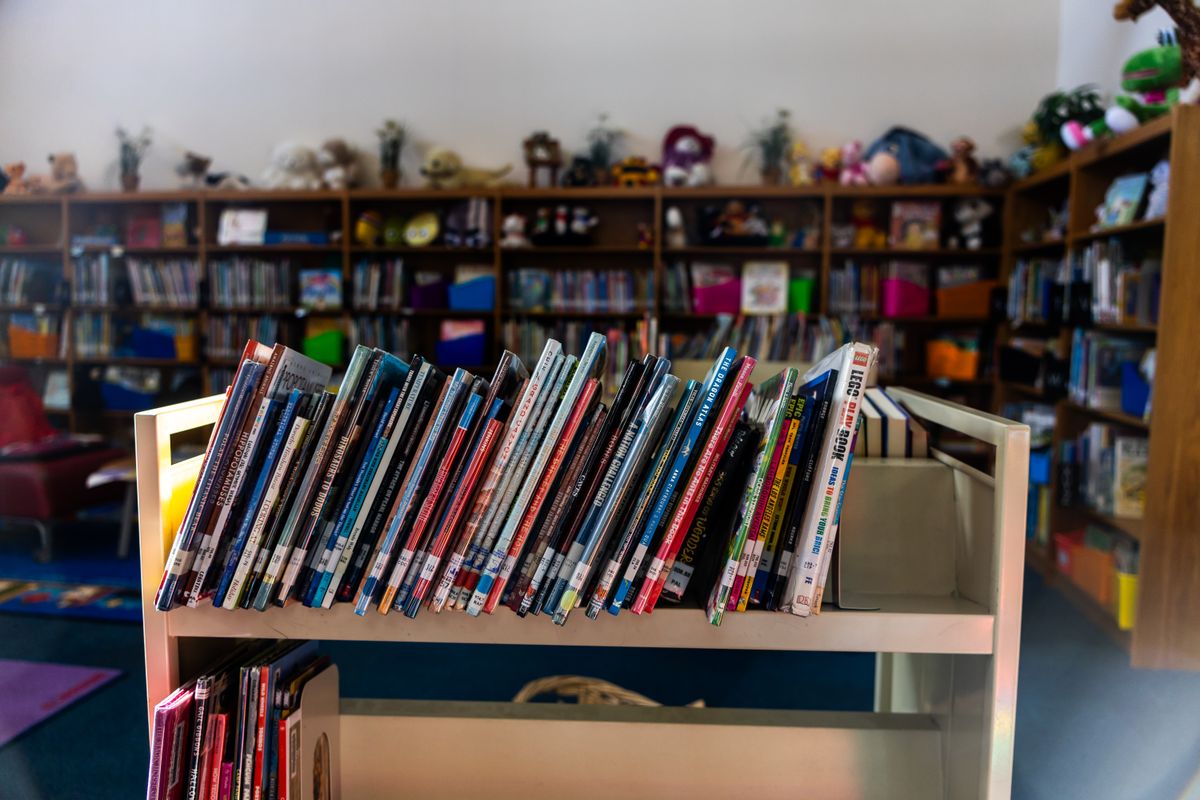
A library visit can begin with one question a child actually wants to explore. Why do some bridges open? How is paper made? What lives underneath a fallen log? The question gives the visit a purpose without requiring a complete answer by the time you leave. Children can discover how books are organized, what a librarian can help with, and why two sources may offer different amounts of detail. You do not need to arrive with a research worksheet. A small piece of paper with the child's question and enough time to browse can be a useful start. Keep space in the visit for the unplanned book that catches their attention.
Choose a question of a workable size
Listen for a question that has appeared naturally in conversation or play. Ask the child which part they most want to understand. "Tell me everything about space" may become "How do astronauts sleep?" A narrower question makes it easier to choose a shelf or explain the request to a librarian. Do not narrow it so much that the child's interest disappears. A broad interest can also remain broad while you choose one starting point.
Write the question in the child's own language. If they want, add a drawing to remind them of it. The paper is a memory aid, not a contract to finish a report. You can also note what the child already thinks. Mark that as an idea to investigate rather than a fact. This makes it easier to notice later when a source changes or complicates the original explanation.
Check practical arrangements first
Look up the library's current opening hours, borrowing rules, and accessibility information before travelling. These vary between branches and can change. Check whether a card, identification, booking, or adult accompaniment is needed for the services you intend to use. If the visit includes a child with particular access or sensory needs, ask the library about available support rather than assuming every branch offers the same facilities.
Agree on a few simple expectations: how the child will stay in contact with you, where food and drinks are permitted, and how books should be handled. Follow the library's own rules. Build in time for returning items as well as choosing new ones. A bag the child can help carry and a designated place for borrowed books at home reduce the chance that the useful visit becomes a later search through the household.
Let the child make the first request
Offer to help ask a librarian where to begin. A child may want to speak directly, show the written question, or have the adult explain. All three approaches are valid. Model a specific request: "We are looking for a children's book that explains how movable bridges work." That is easier to respond to than a vague demand for the best book about engineering.
Pay attention to how the librarian searches or identifies a section. They may use a catalog, a subject term, or knowledge of a particular series. Briefly explain what happened afterward so the child can use that process again. Avoid expecting the librarian to provide a private lesson during a busy service period. Thank them for the help and continue exploring independently, returning with a more focused question if necessary.
Compare two books before choosing
Open a likely book together. Look at the contents page, headings, diagrams, index, and level of explanation. A book with many attractive photographs may still leave the child's question unanswered. Another may contain the exact diagram but use language that needs adult support. Borrowing both can be reasonable if the household has time and borrowing allowance for them.
Ask what each book does well. One might explain the overall process while another labels individual parts. Children can learn that sources serve different purposes without ranking one as universally superior. Check the author, publisher, and publication date when these matter to the topic. A dated book about a changing subject may need a more current companion. For timeless activities, an older publication may still be useful and enjoyable.
Read for the question, then follow a surprise
Find the relevant section and read enough to explore the original question. Pause at a diagram and invite the child to explain what they notice. If the text is challenging, summarize a short part in plain language while keeping the meaning accurate. Say when you do not understand something. Looking up an unfamiliar term together models a normal reading strategy rather than an embarrassing gap.
Allow the question to lead somewhere unexpected. A bridge book may create interest in rivers, maps, or the people who maintain structures. Note a new question without trying to answer all of them immediately. A library visit can produce a useful next direction even when the first question remains only partly answered. Avoid measuring the trip by the number of facts a child can repeat on the journey home.
Keep notes small and honest
If the child wants to remember an idea, write one sentence or make a quick drawing. Record the book title and page beside it. This makes it possible to find the explanation again and begins a simple habit of connecting information with its source. You can label a note "The book says" when it summarizes the text and "I wonder" when it records a new thought.
Do not copy pages of text or illustrations into a document intended for public sharing. For a personal learning note, a short summary in the child's own words is usually more useful than a copied paragraph they do not understand. If they quote a brief line, mark it as a quotation and name the source. The goal is accurate memory and understanding, not creating an impressive looking research product.
Bring the information into ordinary play
At home, let the child choose whether to use what they found. They may build a model bridge from suitable materials, explain a diagram to a sibling, or simply reread the book. Practical experimentation should remain safe and appropriate to the materials available. A library explanation does not make a child ready to use tools or attempt a risky project without suitable adult guidance.
Keep borrowed books where they can be read, not locked away for fear of damage. Show gentle handling and use a bookmark. If an item is damaged or lost, follow the library's process rather than hiding the problem. Check due dates and renewals together when appropriate. These ordinary responsibilities are part of using a shared resource, and they can be taught without making borrowing feel like a high stakes obligation.
For the first trip, one useful book may be enough. Leave while there is still energy for the journey home rather than staying until every shelf has been visited. Ask the child where they would like to begin next time and save that suggestion with the question note. A manageable ending can make returning feel natural, especially for a child who is still learning how a shared public space works.
Leave room for pleasure reading
The question gives structure, but the library should not become a place where every book has to justify its educational purpose. A comic, a familiar story, or a book chosen for its pictures can come home too. Browsing supports interests adults may not have predicted. Let the child reject a book that sounded promising but turns out not to be enjoyable or understandable.
Before the next visit, ask whether the original question still matters or whether a new one has taken its place. Return to the librarian with a concrete follow up if useful. Over time, the child can become more involved in searching, selecting, and managing borrowed materials. The lasting resource is larger than the answer to one question: it is knowing that there is a shared place to explore an interest and people who can help find a starting point.