Children ask questions at inconvenient moments: while a meal is burning, as everyone leaves the house, or just as the lights go out. Adults cannot explore every question immediately, and a quick answer may not address what the child really meant. A family question notebook offers a place to hold an idea until there is time. It can contain drawings, dictated sentences, guesses, and discoveries. The notebook should remain useful and informal. There is no need for decorated pages, daily entries, or a promise that every question will receive a complete answer. Its purpose is to show that a question can be worth returning to even when it cannot be followed right now.
Use a notebook that invites ordinary handling
Choose a small, durable notebook or a folder of loose paper. Expensive materials can make everyone reluctant to use a page freely. Keep suitable pencils nearby and make the notebook easy to reach without placing it where private information might be exposed to visitors. A shared notebook should not include sensitive details about another child, family passwords, or anything someone has asked to keep private.
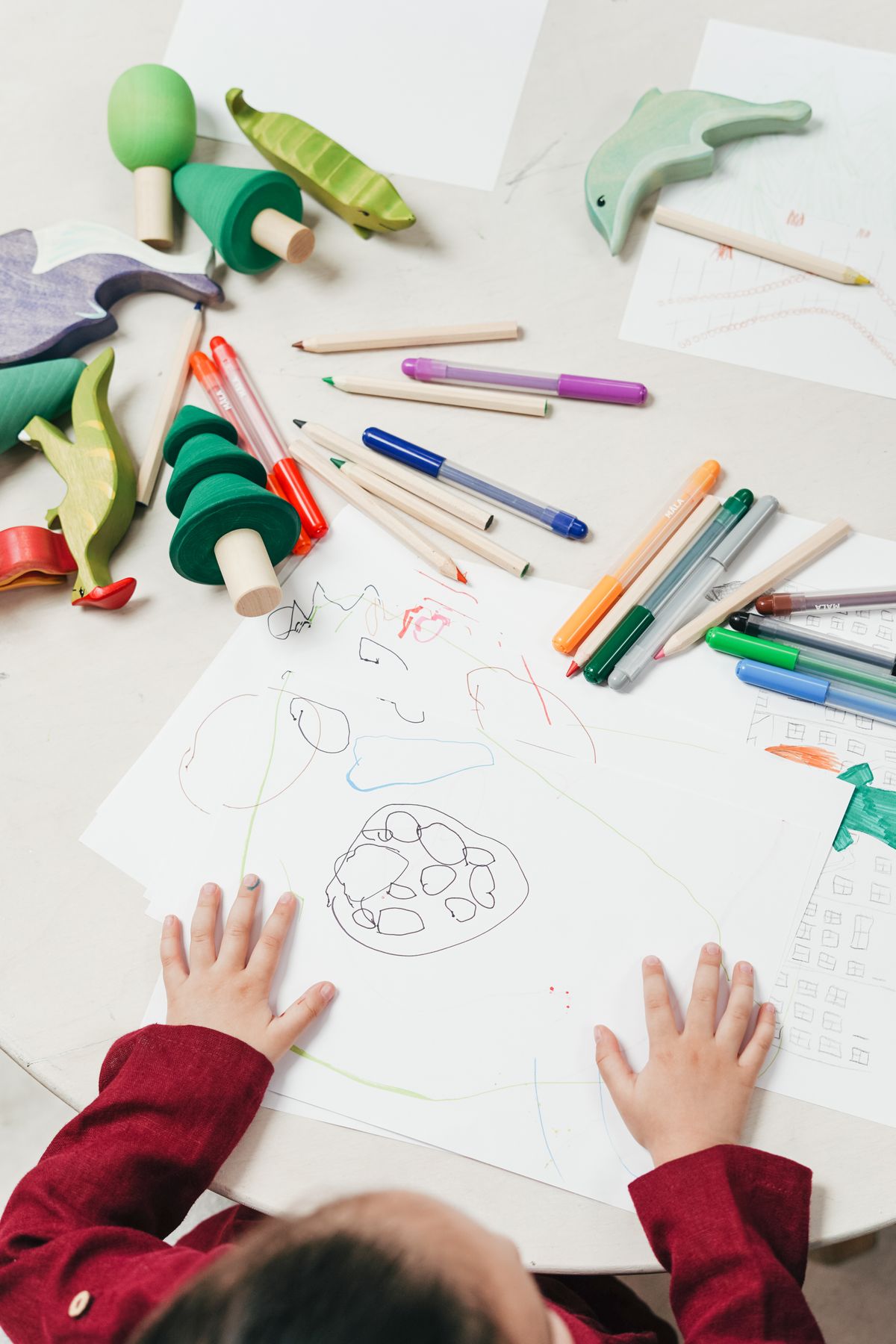
Let children help decide how it will look. A title on the cover may be enough. Some prefer blank pages for drawing, while others like lines or boxes. You can keep several formats in a folder if that suits different ages. The tool is successful when it is opened and used, not when every page follows an adult's chosen design. Crossed out words and unfinished sketches belong there.
Capture the actual question
When a child asks something, check the meaning before writing a polished adult version. "Why is the moon following us?" should not automatically become a technical question about astronomy. The child may be describing an observation during a car journey and wondering whether other people see the same thing. Write their wording first. Add a short note about where or when the question arose if that helps preserve the context.
For a child who does not yet write, offer to take dictation or invite a drawing. Read the sentence back so they can correct it. Do not insist that every interesting comment belongs in the notebook. Ask whether the child wants to save it. A question casually spoken may not be something they want to investigate, and requiring an entry can turn spontaneous conversation into work.
Separate observations, ideas, and answers
Use simple labels such as "We noticed," "We think," and "We found." These distinguish what was directly observed from a possible explanation and information from a source. A child can notice that one plant is leaning toward a window, guess why, and later read about light and growth. The labels make it easier to revise a guess without feeling that the whole page was wrong.
Model uncertainty honestly. Write "We do not know yet" when necessary. Avoid filling the page with a confident explanation from memory if you are unsure. Some questions have several reasonable answers depending on context. Others concern preferences, fairness, or feelings and are not resolved by finding a fact. The notebook can hold those discussions too, provided nobody treats a personal experience as something that must be proven by a reference book.
Choose one question for a shared session
Set aside an occasional short period to browse the notebook. Let the child choose an entry that still interests them. Ask what would count as a useful next step: observing again, reading a book, making a safe model, or asking someone with relevant knowledge. You do not need a fixed weekly appointment if that adds pressure. Return to the notebook when the family has time and interest.
Keep investigations proportionate. A question about melting ice might begin with watching a small piece melt in a bowl under ordinary safe conditions. It does not need a complex experimental setup. Adults should assess materials and supervision needs before any hands on activity. Avoid tasting unknown substances, collecting unfamiliar plants, or using tools simply because an online activity suggests it. Curiosity benefits from sensible limits and clear explanations.
Use sources without collecting impressive links
When a book or website helps, record its title and enough information to find it again. For online information, prefer the relevant institution or original source where possible and check the date when the topic can change. Read alongside younger children. A search result summary may omit important context, and a page designed to sell something may not be a neutral explanation.
Summarize what was useful in a few sentences. Do not paste large sections into the notebook or accumulate links nobody has read. Ask the child to explain the idea using a drawing, example, or their own words. If the explanation remains confusing, the next step may be finding a more accessible source. Collecting material is different from understanding it, and a small clear answer is often more useful than a long list of references.
Return to a question after an ordinary event
The notebook becomes valuable when daily life connects with an old entry. A rainy walk may remind the child of a question about drains. Baking may bring back an interest in measuring. Point out the connection and ask whether they want to add a note. Do not require a full investigation at that moment. A quick sketch can preserve what was noticed for later.
Revisiting can reveal that the question has changed. A child who asked why birds fly may now want to know why some birds do not. Add the new wording rather than erasing the old question. Seeing that change helps preserve the route of an idea. It also makes clear that finding one answer does not close a subject permanently. New observations can create more precise and interesting questions.
Keep participation free of comparison
In a shared notebook, siblings may contribute differently. One may fill pages with drawings while another adds a question only occasionally. Avoid counting entries or praising the most prolific contributor as the curious one. Interest is not measured by how much a child writes. Offer private pages or separate notebooks if a child feels their ideas are being judged or taken over.
Adults can contribute too. Add a genuine question rather than inventing one that leads to a lesson you have already planned. Let children see you change your mind when evidence changes. If an entry belongs to a child, ask before adding corrections or notes to their page. A shared resource works best when ownership is clear and nobody's contribution becomes an excuse for another person's performance.
Keep an eraser or spare paper available, but avoid making neatness a condition of recording an idea. A rushed note captured during a real conversation may be more valuable than a beautifully copied page made after the interest has faded. If handwriting is difficult, use a brief adult note or a drawing. The notebook should lower the effort required to preserve a question, not introduce a new barrier to participation.
Let some pages remain unfinished
An unanswered question is not a debt the family must repay. Interests fade, time is limited, and some subjects need knowledge beyond what you currently have. You can mark an entry "for another time" or simply leave it. Remove any expectation of completing the whole notebook. The usefulness lies in the habit of attending to ideas, not in producing a finished volume.
Occasionally choose a few pages to look back through together. Notice what was observed carefully, where a guess changed, or which question led to an enjoyable activity. Avoid a grand evaluation of the child's intelligence. A modest comment about a specific discovery is enough. The notebook has served its purpose when it helps a family pause, remember, and return to a question with a little more time and attention.