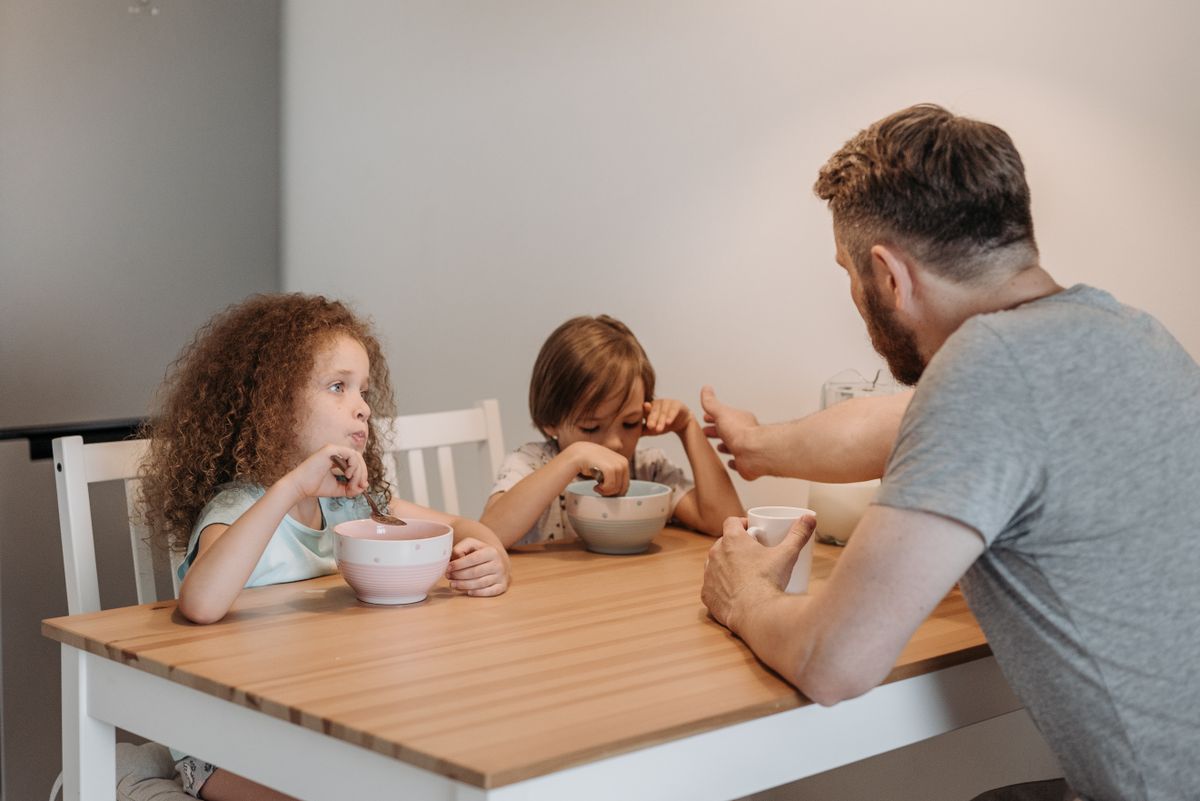

"How was school?" is a reasonable question, but it often arrives at a moment when a child has little energy left for an answer. A full day may have involved noise, instructions, friendships, disappointments, and the effort of managing many small tasks. Coming home is another transition. A useful conversation begins by making that transition easier, not by finding the perfect question. This does not mean avoiding interest in your child's day. It means offering interest in a form they can use. A drink, some quiet company, or an ordinary household task can provide a better opening than a sequence of questions at the school gate.
Notice the arrival pattern
Watch a few afternoons before deciding what the child needs. Some talk immediately and in detail. Others want to move, eat, or sit quietly. The same child may respond differently after a busy lesson or an argument. Describe the pattern without labeling the child as secretive, difficult, or always tired. A response to a particular moment is not a fixed personality trait.
Make the first few minutes predictable. Agree where bags go, how to get water, and what happens next. Keep the routine simple enough for a busy household. If you are collecting several children, acknowledge each one without demanding an instant account. "I'm glad to see you; we'll have a chance to talk on the way" offers connection without making the child perform happiness. Practical needs can be met while conversation waits.
Replace the interview with an opening
A specific observation often works better than a broad request for a report. "You brought home a drawing with lots of little windows" gives the child something concrete to respond to. A small piece of your own day can also invite an exchange: you missed a bus, noticed a bird, or solved an irritating problem. Keep the story brief and appropriate. The purpose is shared conversation, not asking the child to manage an adult's worries.
Offer one question and allow the answer to be short. "Was there a moment you wanted to tell me about?" leaves more choice than "Who did you play with, what did you eat, and why didn't you finish your work?" If the answer is "nothing," accept it for now. Repeating the same question in three different ways usually communicates pressure more clearly than curiosity.
Listen without immediately repairing
When a child describes a difficult event, adults often start solving it before the story is finished. Slow down enough to understand what happened and what the child wants. "That sounds disappointing" can make room for another sentence. Avoid confirming assumptions about someone else's motives. If a classmate did not share a seat, you may know the action but not why it happened.
Ask whether the child wants help thinking about the problem or wants you to listen first. Younger children may need simpler wording: "Shall we make a plan, or shall I stay with you for a minute?" You can still set necessary boundaries or take protective action. Listening does not require promising secrecy about safety concerns. Explain plainly when you need to involve another responsible adult and include the child in the next step where possible.
Accept incomplete and changing accounts
Children may tell a story out of order, leave out a relevant detail, or change their explanation after remembering something else. Treat the first account as a starting point rather than a courtroom statement. Ask neutral questions when clarification matters: "What happened just before that?" is more helpful than "Did the teacher ignore you again?" The second question supplies a conclusion before the facts are clear.
Separate feelings from factual certainty. A child can feel excluded even if the adult later learns there was a misunderstanding. Acknowledging the feeling does not require agreeing with every interpretation. Say, "You felt left out when the group moved away," then work out what is known. Avoid discussing identifiable children in parent group chats as a way to investigate. Direct, private communication with the school is usually a more respectful route.
Create side by side chances to talk
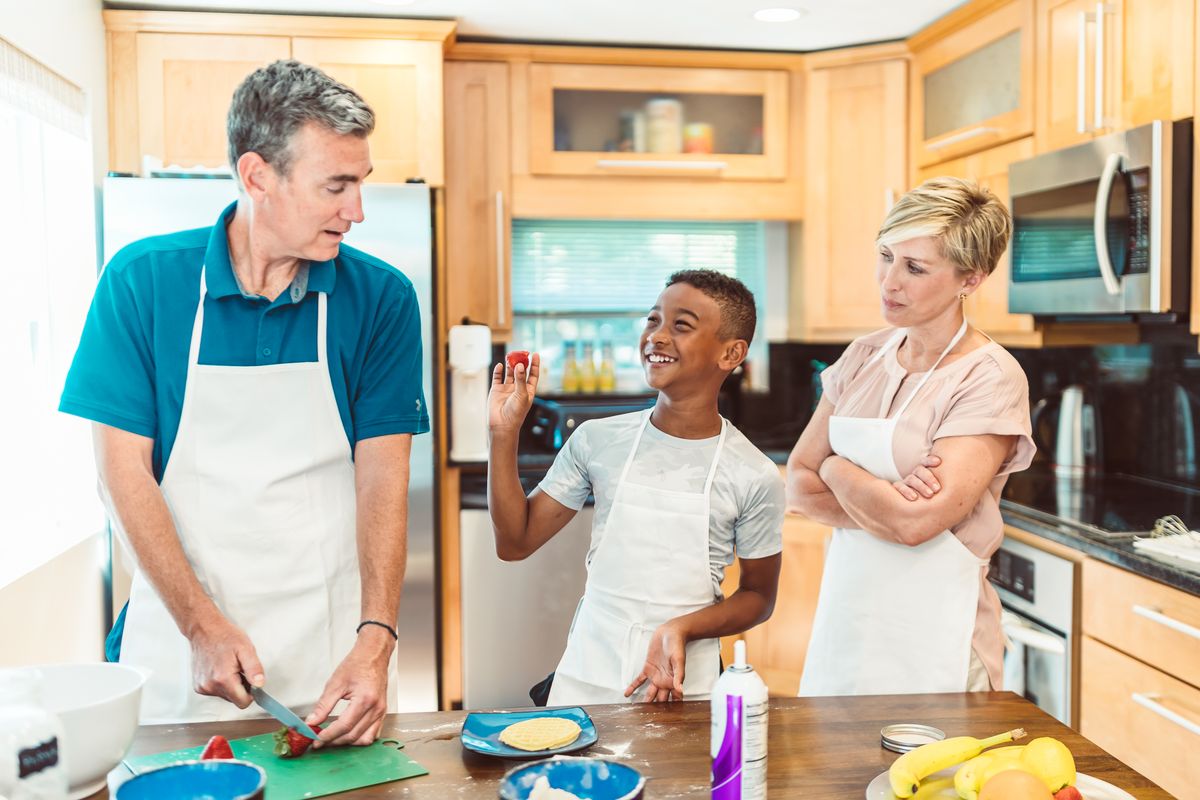
Some children speak more freely when the adult is doing something ordinary nearby. Folding towels, walking a familiar route, or preparing a snack can reduce the intensity of direct questioning. Choose an activity that does not require the child to divide attention between a difficult task and a difficult conversation. Keep phones aside when a meaningful account begins, and say if you need a moment to finish something safely.
Do not turn every shared activity into an opportunity to extract information. Quiet companionship is worthwhile on its own. A child should be able to help set the table without expecting a hidden conversation about school performance. If an important topic needs discussion, name it directly and choose a suitable time. Predictability helps preserve trust better than unexpectedly steering a relaxed moment toward a serious concern.
Work with school information carefully
Check school notices and messages separately so your child does not have to act as the only source of practical information. Ask about missing details without blame. "The notice says we need a hat tomorrow; do you know where yours is?" is a solvable problem. "You never tell me anything" turns that problem into a judgment about the relationship.
When a pattern raises concern, keep brief notes of dates, the child's words, and what you have observed. Contact the appropriate teacher through the school's normal channel and ask for their perspective. Avoid promising that you can immediately change a classroom arrangement or friendship. Tell the child what you will do and when you expect to update them. Following through on a modest commitment is more useful than offering a large reassurance that may not be within your control.
If the child begins talking at a moment when you cannot listen properly, acknowledge the importance of what they are saying. Give a specific alternative that you can honor: after the pan is safely off the stove, or once you are both seated. Return to the subject yourself. A child should not have to make the same attempt repeatedly to discover whether the invitation to talk was real.
Try a handover that offers a choice
At the next pickup, greet the child and give a simple choice between two realistic options: talking while you walk or having a quiet journey for a while. Neither answer should be treated as a rejection. If they choose quiet, name a later opportunity when you will be available. Keep that promise without reopening the same question every few minutes. When they do begin a story, follow the part they choose rather than redirecting immediately to the subject you most wanted to ask about. You can raise an essential practical matter separately. This small distinction helps a child experience conversation as shared attention while still understanding that families sometimes need to exchange necessary information.
Protect conversation from becoming a scorecard
Make room for topics that are not marks, behavior reports, or achievements. A funny sentence, a confusing instruction, or a new game can matter deeply to a child. If every conversation ends with a lesson, children may become less willing to share unfinished thoughts. You can enjoy an anecdote without asking what it taught them. Interest in their experience should not depend on a productive outcome.
Review the routine after a week or two. Ask what makes coming home easier and whether there is a better time to talk. A child may suggest the car ride, the first few minutes after dinner, or a quiet moment before bed. Keep those openings available without requiring daily disclosure. The purpose is a dependable relationship in which speaking is welcome, silence is allowed, and important concerns can receive the attention they need.