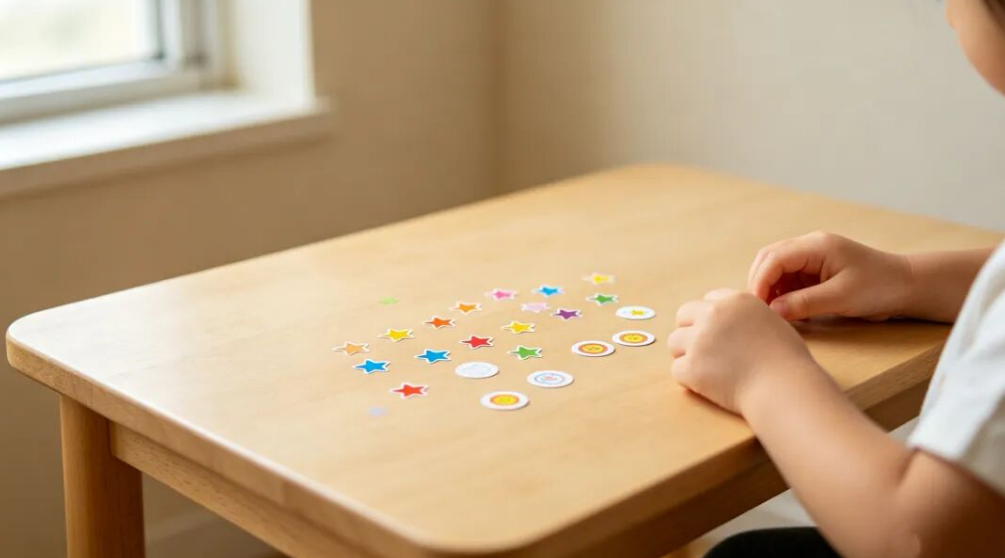
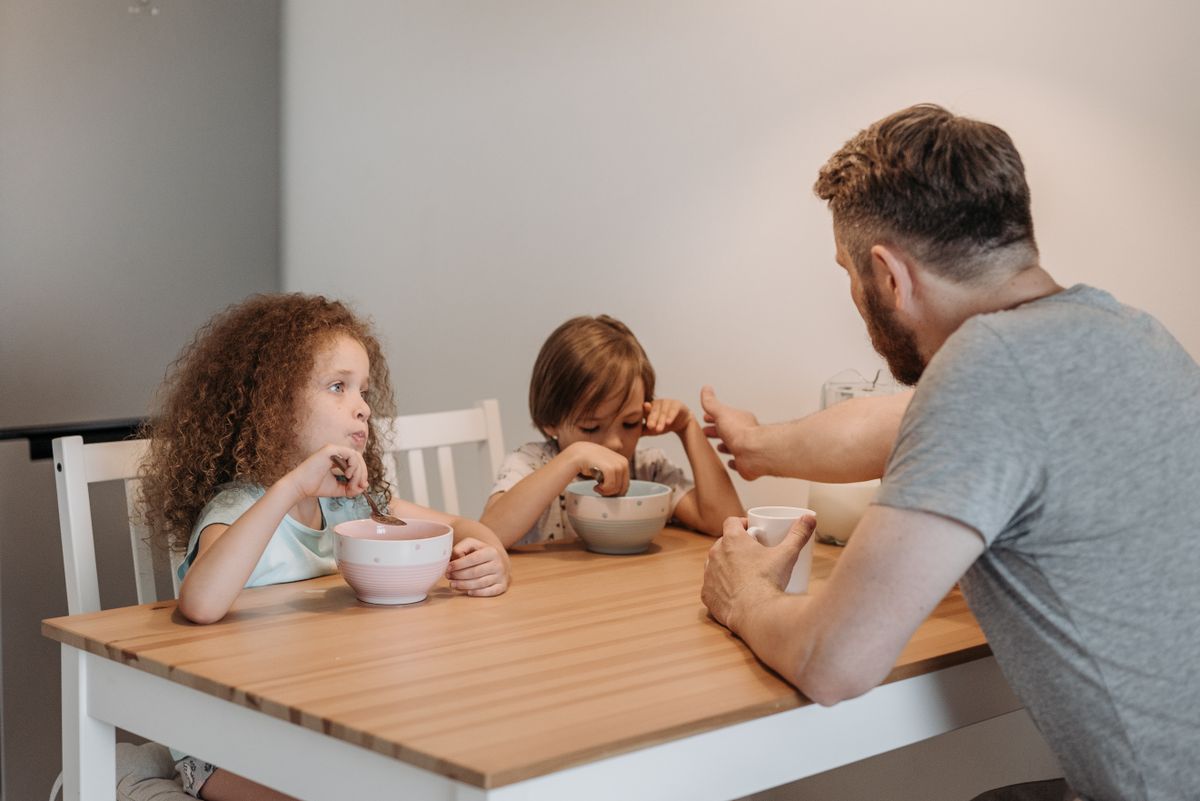
The shoes by the door, the disputed seat at breakfast, and the arguments over a shared marker can occupy more family energy than their size suggests. A family meeting can help when it makes one recurring problem easier to handle. It becomes less useful when it collects every complaint from the week or gives adults another stage for explaining rules. Start with a small issue that children can genuinely influence. A short conversation with a workable experiment is better than a long meeting with a beautiful plan nobody remembers. The first success may be as ordinary as finding a place for three pairs of shoes.
Choose a problem with room for choice
Some decisions remain an adult responsibility. Safety requirements, essential care, and matters involving another person's privacy do not become optional because they are discussed in a meeting. Explain that distinction without using it to close every conversation. Children can often influence how a necessary task happens even when they cannot choose whether it happens. A bag must be ready for school, but its storage place and checking routine may be open for discussion.
Describe the issue in observable terms. "We spend time looking for shoes before leaving" is easier to work with than "Nobody respects this house." Keep the description free of names when possible. If one child has a particular difficulty, a public family meeting may not be the right place to discuss it. Speak privately first and avoid making a child the problem that everyone else has assembled to solve.
Pick a time that is not already an argument
Do not begin the first meeting while everyone is late or upset. Invite the family to talk during a relatively settled moment and state the topic beforehand. Five or ten minutes may be plenty, depending on ages and attention. Sit somewhere children can join comfortably, and offer another way to contribute if speech is difficult. A drawing, a pointed choice, or a suggestion delivered privately can all be included.
Introduce a simple order: describe the problem, hear ideas, choose one experiment, and decide when to review it. There is no need for formal titles or an elaborate agenda. If a child likes taking notes, let them record the plan. If nobody does, the adult can write a short sentence afterward. The meeting should reduce household effort rather than create a new administrative task.
Hear each person's practical difficulty
Ask what makes the task hard, and listen for details. A child may not use the shoe basket because it is under a heavy coat, because wet shoes feel unpleasant to handle, or because a younger sibling empties it. These are different problems. Adults may be focused on tidiness while children are focused on access or comfort. Neither perspective needs to be mocked before a solution can be considered.
Keep contributions brief enough that everyone has room. Interrupt personal attacks and translate them into a specific concern. "He ruins everything" might become "You want your drawing to stay where he cannot reach it." Check that the translation matches what the child meant. Avoid forcing an apology as the entry price for being heard. Repairing a hurt can be handled carefully without making the whole meeting dependent on a reluctant performance.
Collect ideas before judging them
Invite several possibilities and write them down without immediately explaining why each will fail. Young children may propose impractical solutions; respond with respect and identify the part that could work. A suggestion to buy everyone ten pairs of shoes might reveal a wish for a spare pair near the door. You can acknowledge the idea without agreeing to the expense.
Then apply real constraints. The hallway must remain passable, the solution must be affordable, and the child must be able to reach the storage. Discuss these as design requirements rather than reasons that children should stop suggesting things. Ask whether an idea can be adjusted. One low shelf may meet the same need as a large new cabinet. A plan using materials already in the home is easier to try and easier to revise.
Agree on an experiment with clear roles
Choose one manageable plan, not a complete overhaul of family life. State who does what and when. "After coming in, each person puts shoes on their marked section; the adult checks that wet shoes can dry" is more concrete than "We will all be responsible." Use pictures for children who do not read. Make sure the person assigned a task can actually do it with the available time and equipment.
Decide how long to try the plan. Several ordinary days may show whether a storage change is useful. Avoid attaching a complicated reward system to a simple experiment. The immediate benefit should be easier access, fewer arguments, or a clearer routine. If a reward is introduced, it can distract from whether the arrangement itself works. You want information about the plan, not merely temporary compliance under a new incentive.
Review what happened without finding a culprit
At the next check, ask which part worked and which part did not. Inspect the setup before blaming a lack of effort. A label may have fallen off, a basket may be too small, or the routine may clash with a rushed arrival. Take those observations seriously. If a person repeatedly forgets, place the reminder where the decision happens rather than repeating instructions from another room.
Keep the review short and make one adjustment. There is no need to defend the original plan because the family voted for it. Changing an experiment in response to evidence is part of solving the problem. Acknowledge contributions specifically: someone noticed the shelf was blocked or suggested separating dry and wet items. Avoid declaring one child the responsible one, which can become a role others feel they cannot escape.
A meeting can also reveal that no new rule is needed. If everyone already knows where shoes belong but the shelf has broken, repair the shelf. Avoid adding a behavior agreement to compensate for missing equipment. Children can help identify that practical distinction. Sometimes the most respectful response to a repeated complaint is an adult action outside the meeting, followed by a brief check that the obstacle has actually been removed.
Give the written plan a useful home
Place the agreed sentence where the action happens. A plan about drawing materials belongs beside their storage, not on a noticeboard nobody passes. Read it together once and check that the words match the decision. If the child helped draw a reminder, use their version when it communicates clearly. Remove the note when the routine is familiar or the experiment has ended. A wall covered in outdated agreements makes it harder to identify the current one. Keep a private adult note only if it helps remember the review date. The family does not need a permanent record of who forgot what. What matters is whether the new arrangement reduces the specific difficulty everyone came together to discuss.
Stop while the meeting is still useful
End when the agreed topic has been handled. Keep unrelated complaints for another conversation and serious individual concerns for a more appropriate setting. A short, successful meeting makes the next invitation easier to accept. Children do not need to enjoy every household discussion, but they should be able to recognize that their input can affect a decision.
You may discover that no recurring meeting is needed. Some families benefit from an occasional focused conversation; others like a regular brief check. Choose the format that helps your household function. The important habit is taking a manageable problem seriously, hearing the people affected, testing a practical response, and returning to see whether it helped. A family meeting earns its place when ordinary life becomes a little easier afterward.