Every child is a unique star, and education is not about copying templates, but about understanding their character codes. Lively to provide running space, quiet to leave alone time, sensitive to emotional warmth, stubborn to resolve conflicts with understanding, curious to respond to questions with practice, slow to adapt, impulsive to guide and learn to be responsible, gentle to teach him how to protect himself. Illuminate his exclusive growth trajectory in a suitable way.
Faced with lively and energetic children like little suns, do not suppress their nature with "quietness". Provide ample space for outdoor running, dance classes, and other activities, and then use the fun task of "exchanging ten minutes of building blocks for park time" to help them learn to focus and turn vitality into a driving force for growth in happiness.
Facing quiet children, they may love to read alone, like a bookworm, and should not be forced to socialize. Leave a dedicated reading corner filled with his favorite picture books; Using gentle questions like 'Why do you think the little bear in the story is sad?' slowly open up his heart and let tranquility become the power of thinking.
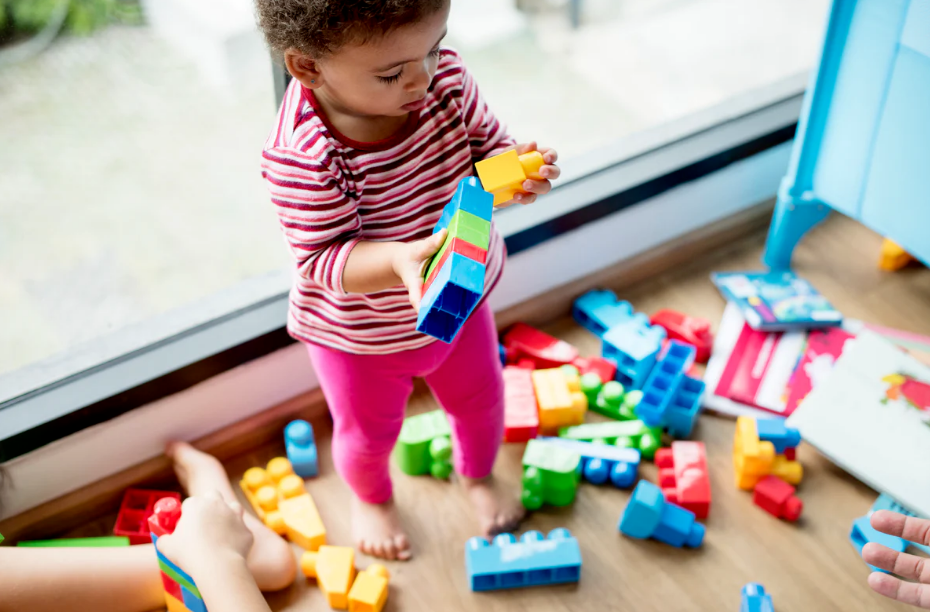
Don't ignore the feelings of sensitive children who can capture subtle emotions. When you see him feeling sorry for the injured bird, you can say, 'Can we help wrap it up together?'; Avoid loud criticism and use 'try it out if it's better' instead of blaming, making a sense of security the cornerstone of confidence.
Don't confront stubborn children who don't give up on their goals head-on. Using the cooperation of "What materials do you need to build the castle, let's find them together" instead of the command, affirming his perseverance: "You have been working hard for the building blocks for a long time, really impressive." Let's understand and resolve the confrontation, and guide him to learn how to be flexible.
When facing curious children with a mind full of "why" questions, don't just brush them off. It can be said that 'we look up information to see how ants move food', accompany him to observe with a magnifying glass and experiment with a small shovel, let practice answer curiosity, maintain the enthusiasm for exploring the world, and turn question marks into keys to growth.
Don't rush to "say hello quickly" when facing slow-moving children who are observing from behind. Take his favorite toys to a new environment and say, 'Let's first see what new friends are playing with.'; Give him enough time to adapt, and when he takes the initiative to approach, praise him, 'You spoke to the children today, you were really brave.'. Let the sense of security slowly melt away shyness.
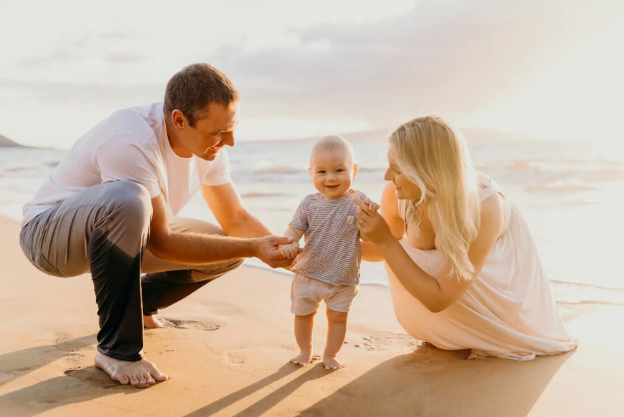
Don't immediately blame impulsive children who are prone to tipping over water bottles. Say, 'It's okay, let's clean it up together and take a little longer to get the cup next time.'; Teach him to count to five when angry before taking action, and use the phrase 'would this be more appropriate' to guide his thinking, turning mistakes into opportunities to learn responsibility.
Don't ignore the kindness of a gentle child who likes to share. Praising him, 'If you share toys with friends, he must be very happy.'; At the same time, teach him to express his needs: "When you don't want to share, you can say 'I'll give it to you after I finish playing.' Let kindness and self-protection coexist, and let warmth become his business card.
There is no unified answer to parenting, and personality is not a label. Only by understanding children, adjusting ways, and finding a balance between respect and boundaries, can every nature be seen and every growth be empowered.