Waiting is easier when you know what you are waiting for, how the wait ends, and what you can do in the meantime. Adults benefit from that information, and children do too. "Be patient" often asks for a result without providing the tools that make it possible. Everyday delays offer opportunities to practice, but they should be small and manageable. A child does not need unnecessary frustration invented for educational purposes. Start with the waits that already occur in family life: a turn with a shared object, food being prepared, or a brief pause before leaving. Good support makes participation possible without pretending that waiting is always pleasant.
Make the ending concrete
"Soon" can mean very different things across a day. Connect the wait with an event the child can understand: "When I finish washing these three cups, I can help you." For a longer wait, explain the order of events rather than giving a precise promise you cannot keep. "We will leave after lunch and putting on our shoes" is more meaningful than a distant time on a clock the child does not use.
Keep promises modest. If the wait is uncertain, say so. At a clinic, a bus stop, or a delayed pickup, you may not control the timing. Explain what you do know and what you will do next. A visible timer can help for a genuinely timed activity, but do not set one as a false reassurance when the event may not happen at its end. Trust in the explanation matters more than a temporary distraction.
Begin with waits the child can manage
Look for a short delay during an otherwise settled moment. A child may wait while you put down a hot pan safely or finish a brief sentence. Acknowledge the request before asking them to wait: "I heard that you need the lid opened. I will put this down first." Being noticed is different from being ignored, even when the answer is not immediate.
Avoid practicing when the child is hungry, exhausted, distressed, or needs essential care. Those moments call for support, not a test of patience. Increase the length only as everyday circumstances require, not to prove progress. Some days a familiar wait will be harder than usual. Adjust the support and move on. Variability is a reason to pay attention to context, not a reason to assume that earlier learning has disappeared.
Offer a useful action during the pause
Waiting does not have to mean remaining motionless. A child waiting for a turn might watch what the other person is doing, choose a tool for their own turn, or use another activity nearby. A child waiting for food may help place napkins if the task is safe and welcome. Choose an action that makes sense in the situation rather than constantly supplying entertainment.
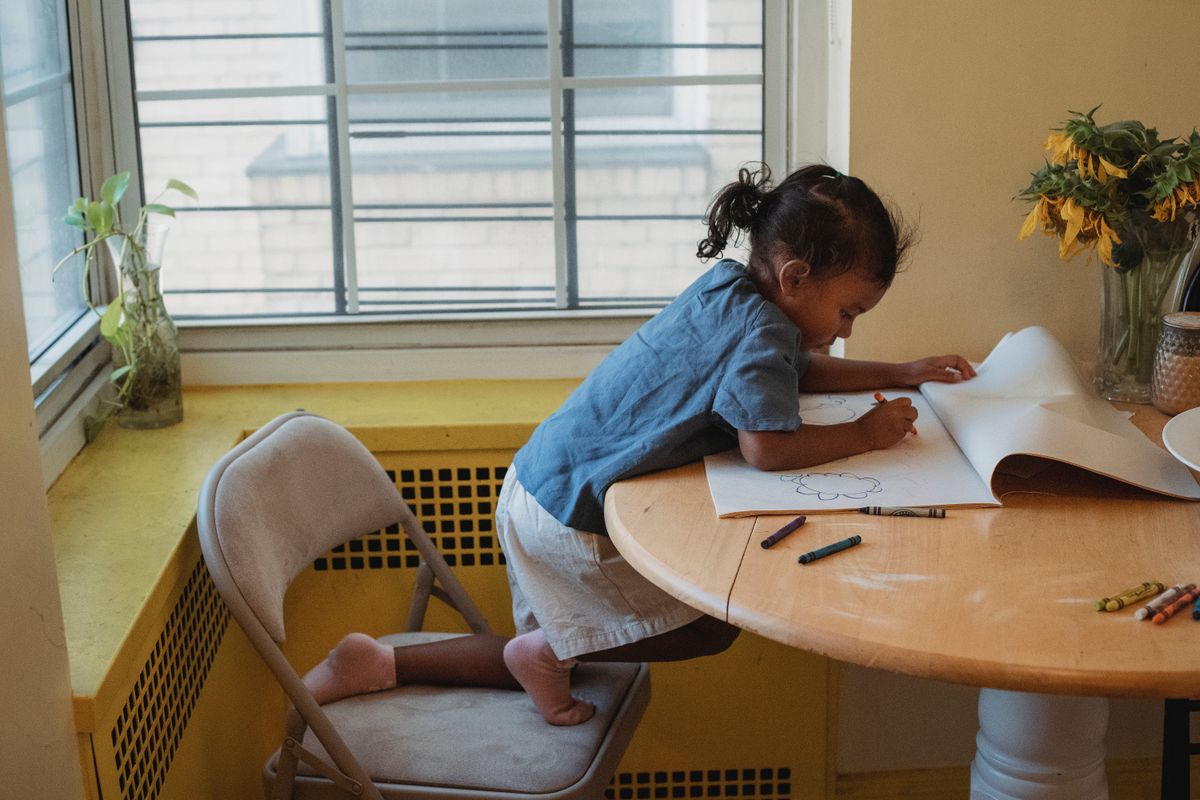
Keep alternatives available without making them compulsory. Some children prefer quiet observation. Others need movement within a clear safe boundary. Before an outing likely to involve waiting, bring a small book or suitable drawing materials. Explain where they can be used and who is responsible for carrying them. The child can help plan the waiting kit, which turns an unpredictable inconvenience into something the family has considered together.
Teach turn taking through clear agreements
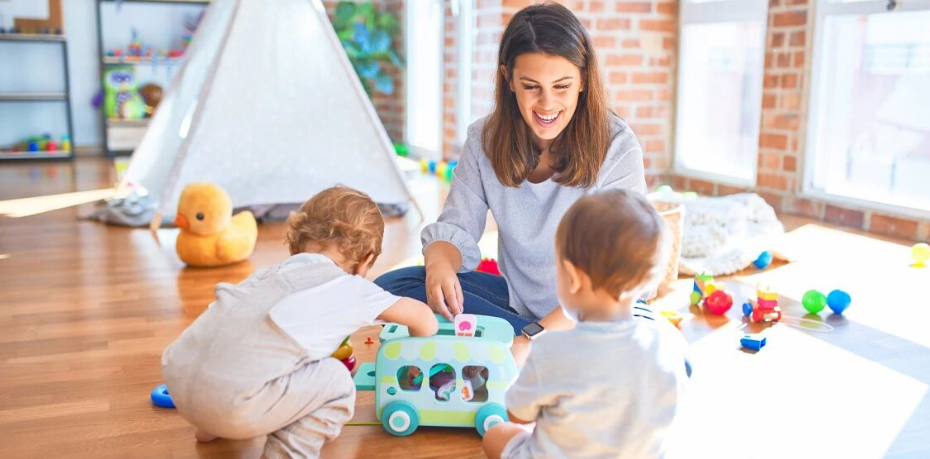
Shared objects create a particular kind of waiting because another person controls the next opportunity. Establish a workable rule before conflict grows. A turn may end when a short game ends, when a specific page is finished, or at an agreed timer. Avoid forcing the current user to surrender an object immediately because someone else has requested it. That can make possession feel insecure and future sharing harder to negotiate.
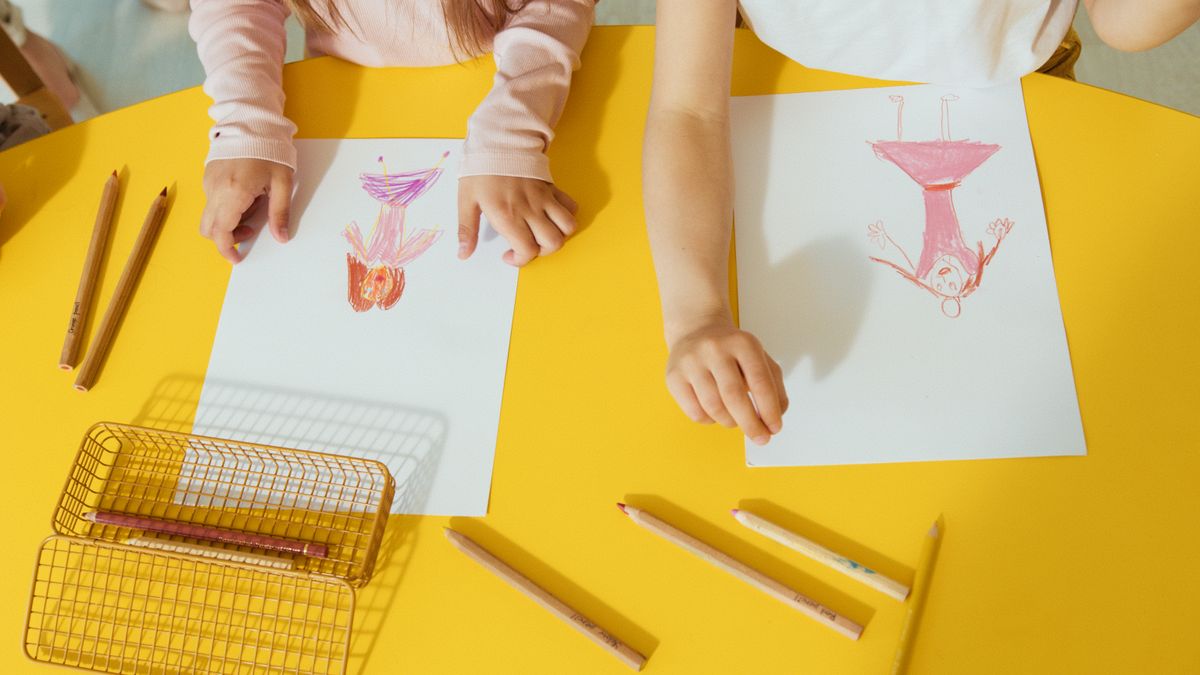
Help the waiting child know what happens next. "When the drawing is finished, the green pencil is yours" is clear if finishing is reasonably close. For a much longer project, find an alternative or agree on a later exchange. Adults may need to protect both children's work. Fairness is not always identical minutes; it involves a predictable arrangement that respects what each person is doing.
Give language for the request
Practice a few ordinary phrases outside a heated moment: "Can I have a turn when you're done?" "How long do you need?" or "Please tell me when it is ready." Model them yourself when you need a shared item. The words help a child express a need without grabbing or repeating the same demand. They do not guarantee that another person can agree immediately.
When the child uses a useful phrase, respond to it. A polite request that is repeatedly ignored teaches little about patient communication. If the answer is no, explain the boundary and offer a realistic alternative where possible. Children can also learn to say that they are still using something. Respectful turn taking involves making requests and hearing refusals, with adult support when a workable agreement is difficult.
Respond to frustration without stretching the wait
Acknowledge the feeling in plain words: "You wanted it now, and waiting is hard." Keep the boundary brief when it is necessary. Long explanations during rising frustration can add more demands. Offer nearby support or a change of activity. If behavior becomes unsafe, protect everyone and reduce the situation to immediate practical needs. Do not lengthen the delay as punishment for finding it difficult.
Afterward, discuss one thing that might help next time. Perhaps the child needs to see the turn order, choose an alternative sooner, or ask for help before grabbing. Avoid requiring an elaborate reflection while they are still upset. Adults can model repair too: "I said one minute, but I took much longer. Next time I will give a more honest answer." Reliable adult behavior is part of the environment in which patience is learned.
Notice strategies rather than silent endurance
Describe the action that helped: "You chose another puzzle while the glue dried" or "You asked when the pencil would be free." This makes a strategy visible. Avoid praising a child simply for being quiet regardless of discomfort. They should still be able to tell you that they need a toilet, feel unwell, or are confused. Patient participation includes communication about needs.
Do not compare siblings' tolerance for waiting. Their ages, interests, physical needs, and experiences may differ. One child may need a visual sequence while another enjoys a conversation. Providing different support can be fair. If waiting remains exceptionally difficult across many settings, discuss concrete examples with the child's teacher or a qualified professional. The purpose is to find helpful support, not to attach a moral label.
Practice noticing an available turn as well as waiting for it. A child absorbed in the alternative activity may miss the moment when the shared item becomes free. Give a clear cue and allow a reasonable time to respond. This keeps the agreement dependable for both players. The waiting child learns that choosing another activity does not mean losing their place, while the previous user knows how to complete the handover.
Plan unavoidable long waits realistically
Before a journey or appointment, explain what may happen and prepare for practical needs. Bring water, suitable snacks where permitted, a familiar activity, and any essential items. Identify opportunities for safe movement and breaks. Reduce other demands around the event when you can. A lengthy delay can be hard even for a child who manages ordinary turn taking well.
After the event, note what helped and change the plan for next time. Keep the review brief and specific. Patience grows within reliable relationships and manageable expectations, not through perfect performance in every queue. The useful goal is a child who gradually has more ways to handle a pause: understanding the ending, making a request, choosing an activity, and seeking help when the situation becomes too much.