
I. 0–1 Year: Building Habits and a Sense of Security
Core: Love, responsiveness, routine
Respond to crying promptly to build a secure attachment
Keep regular feeding, sleeping, and daily schedules
Talk often, make eye contact, and give plenty of gentle touch
Use black-and-white cards, practice tracking with the eyes, and play soft music
Encourage rolling over, sitting up, and crawling – support gross motor development
II. 1–2 Years: Language Explosion and Setting Small Boundaries
Core: Talk a lot, do less for them, be gentle but firm
Provide rich language input every day – tell stories, sing nursery rhymes
Encourage self-feeding, drinking from a cup, and putting on shoes (don't worry about the mess or slowness)
Name emotions: happy, angry, scared
Set simple rules: no hitting, no throwing things, handle objects gently
Spend plenty of time outdoors – run, jump, climb, and practice balance
III. 2–3 Years: Emotional Management and Early Social Skills
Core: Learn to express, wait, and take turns
Teach using words instead of crying: "I want…" / "I don't want…"
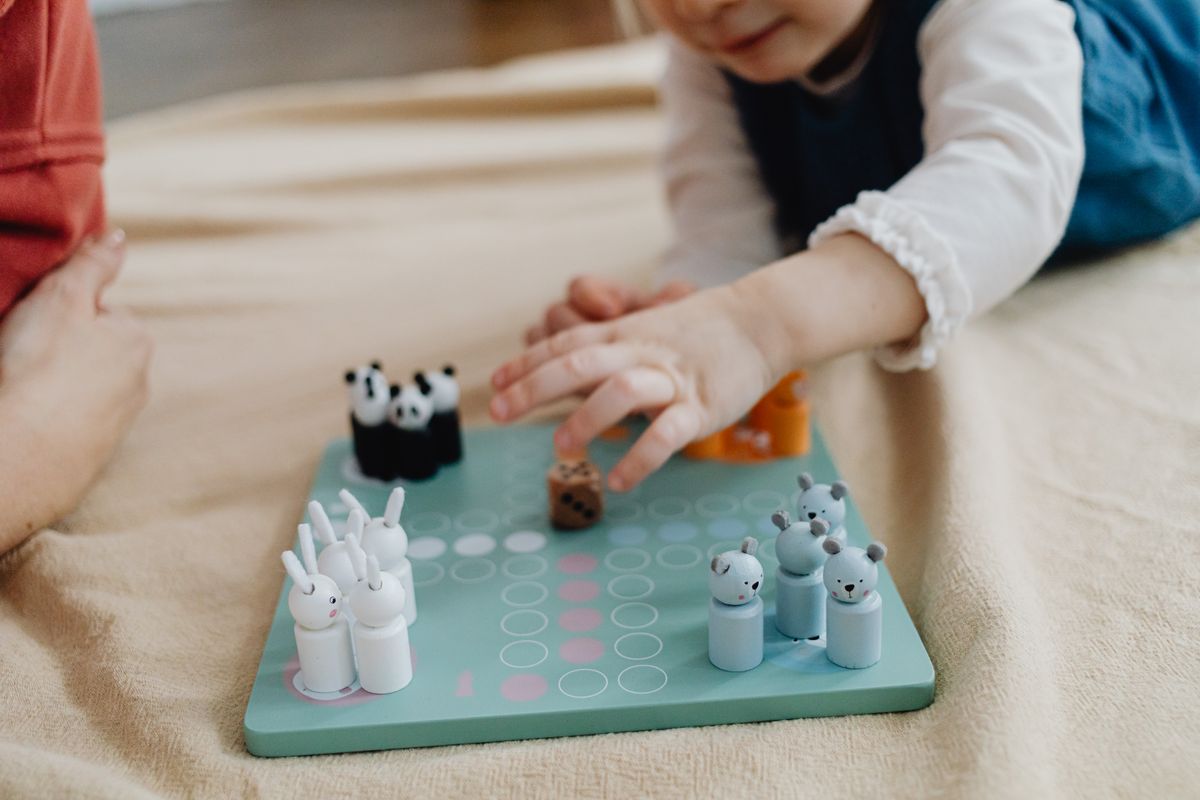
Practice waiting, turn-taking, and sharing
Build self-care: use the potty, wash hands, put toys away
Limit screen time; prioritize reading together
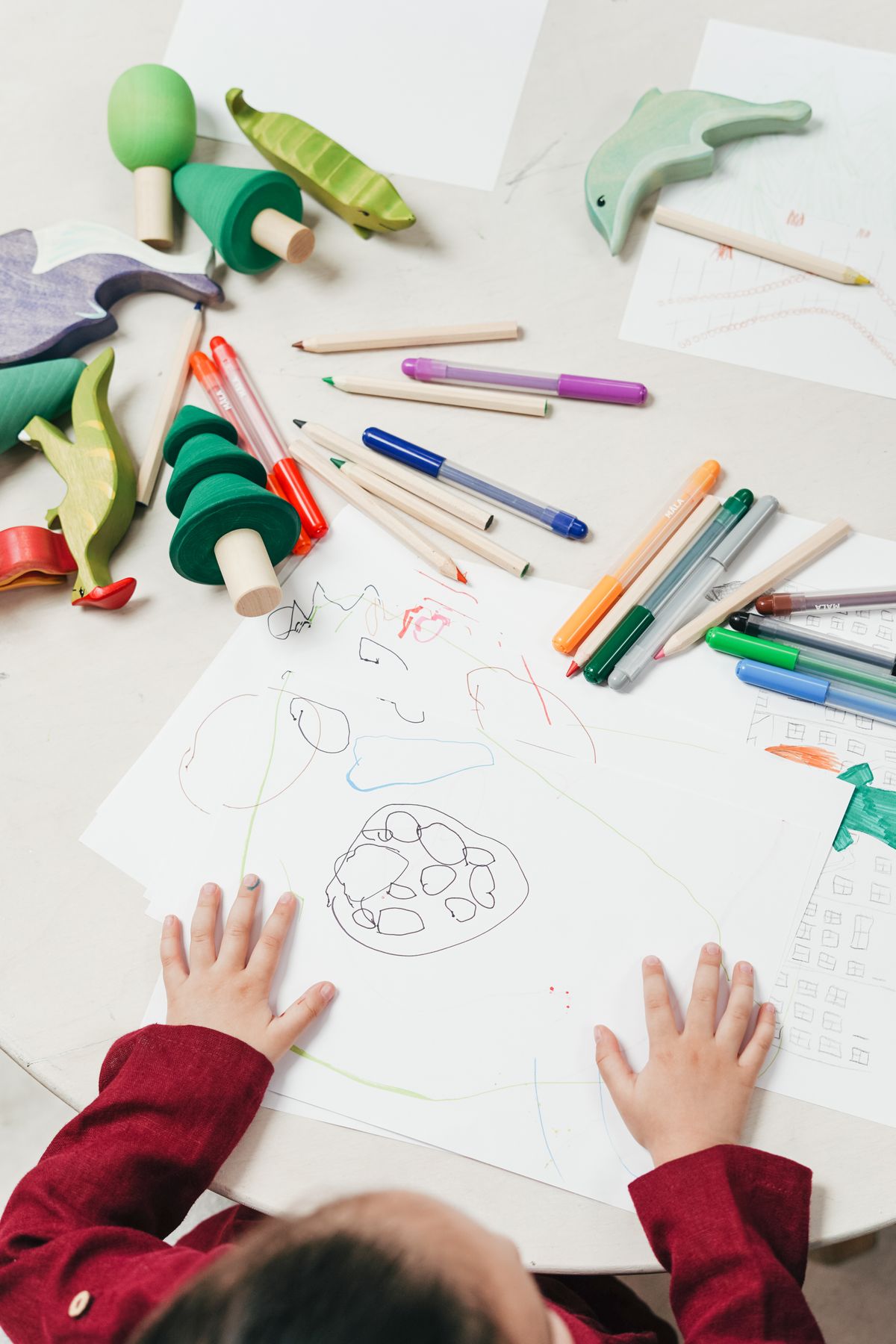
Introduce basic colors, shapes, and simple numbers
IV. 3–4 Years: Preschool Adjustment and Understanding Rules
Core: Communicate, wait, and cooperate
Ease the transition to preschool life and help with separation anxiety
Follow group rules: line up, listen, raise a hand to speak
Learn simple social skills: play together, don't snatch toys
Establish a steady routine – go to bed and wake up early, tidy personal belongings
Start building focus: sit quietly with a book or toy for at least 10 minutes
V. 4–5 Years: Learning Disposition and Social Competence
Core: Speak up, think, and persist
Express ideas boldly and tell stories with confidence
Cultivate curiosity – encourage lots of "why" questions
Learn to resolve minor conflicts: talk it out first, or ask the teacher for help
Introduce basic math concepts and time awareness (morning/afternoon/evening, today/tomorrow)
Give small household tasks: set the table, wipe the table, fold clothes
VI. 5–6 Years: School Readiness and Study Habits
Core: Build a foundation for primary school
Keep a regular daily rhythm and ensure enough sleep
Strengthen concentration – stay quietly engaged in an activity for over 20 minutes
Practice proper sitting posture, pencil grip, and book-handling habits
Develop a sense of time – don't procrastinate, be punctual
Foster responsibility – complete small tasks given by adults
Teach safety awareness: stranger danger, traffic rules, electrical safety, fire prevention
In a Nutshell
Start from birth – the earlier, the steadier
Ages 0–3 focus on habits and emotional security
Ages 3–6 focus on abilities and school readiness
Family education guidance matters every step of the way.