Children's picky eating has become a common problem that troubles many parents. Children who are picky eaters can lead to imbalanced nutrient intake, affecting their normal growth and potentially hindering brain and nerve development; Over time, this can weaken the immune system and make children more susceptible to illness, highlighting the dangers of picky eating. So why are children picky eaters and how can we solve this problem?
Children have a natural instinct for self-protection and an instinctive resistance to trying new foods, requiring an average of 8-15 attempts to accept. At the same time, some family and environmental factors can also affect children's attitudes towards eating, such as chasing after food, forcing them to eat, and playing while eating, which can reduce children's willingness to eat independently; Parents' own preference for food or negative evaluations of food can subtly influence their children; Adding complementary foods too early or too late, or having a single type of complementary food, can lead to poor adaptability of children to different types of food.
Parents should maintain a positive attitude and avoid coercion or pressure. scolding may cause children to develop aversion to food, and encouragement should be used instead of pressure. Let children decide how much to eat independently and avoid turning eating into a 'task'.
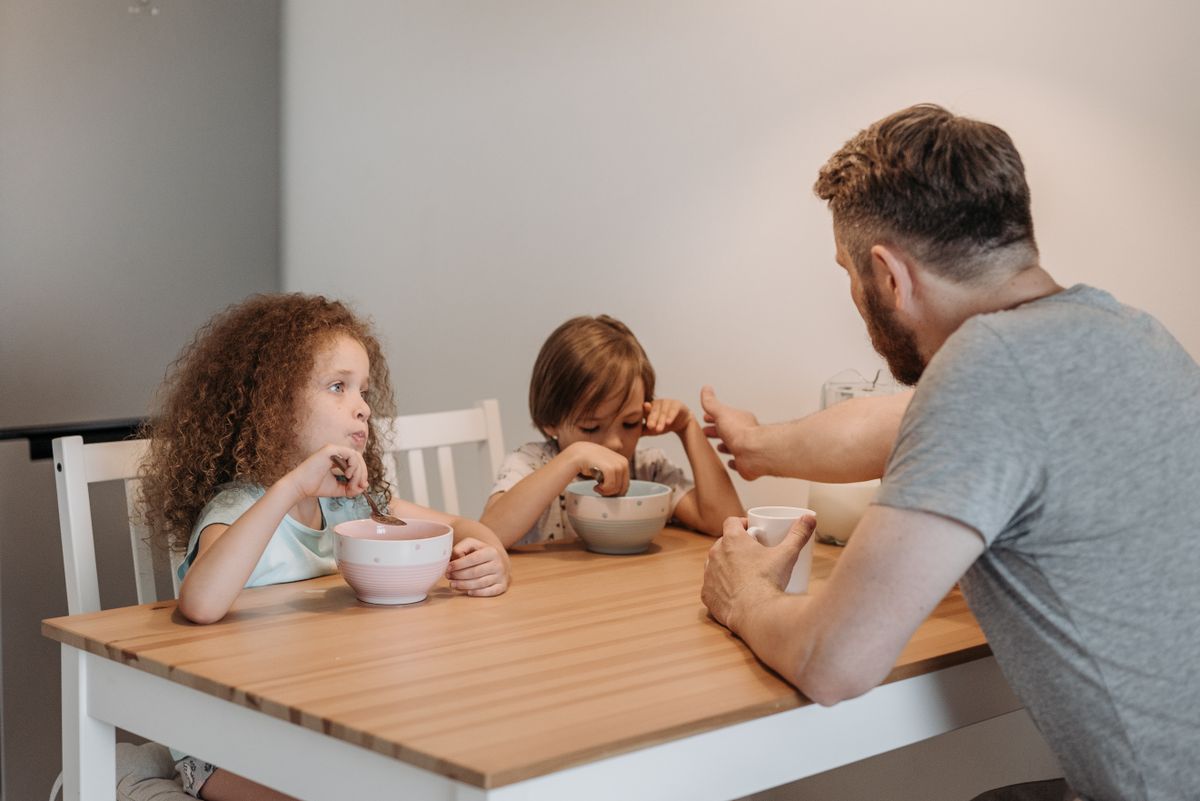
Good dining habits should be maintained: fixed meal times and locations, actively cultivating children's ability to eat independently; Do not let children play with toys or watch TV during meals, and parents should not watch their phones while their children are eating, which can damage their concentration during meals; It is crucial not to eat snacks within 90 minutes before meals. Children have a small stomach capacity, and eating snacks before meals will inevitably affect their appetite for meals.
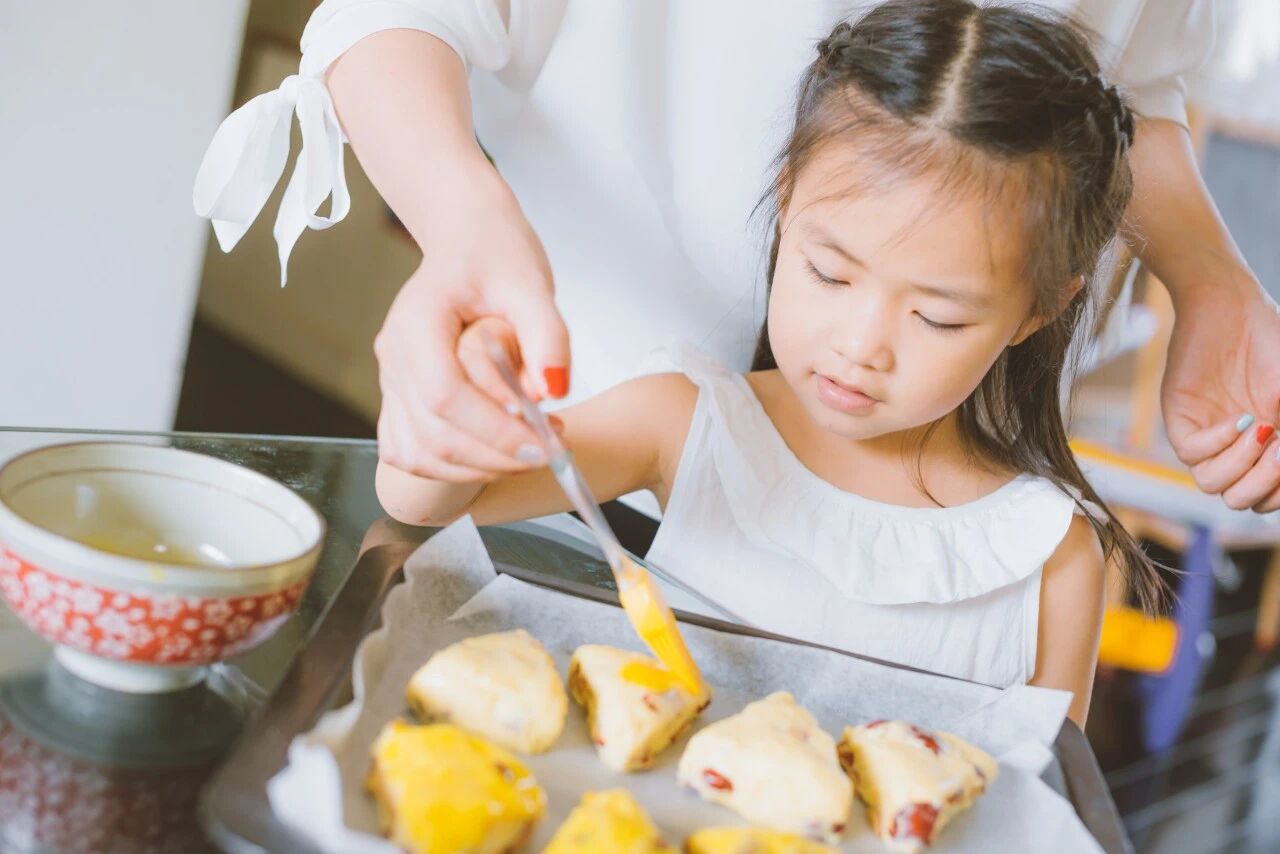
Diversified interest enhancement: Try making food into cartoon shapes, such as making eggs into "sun" and cutting carrots into "flowers", etc; Children can participate in the process of food preparation together, such as buying groceries, washing dishes, or even simple cooking. Children often have a greater interest in the food they participate in making themselves;
Through vivid and interesting stories or games, children can learn about various foods, break their fear of the unknown, and thus improve their acceptance of food.
Eating is a biological instinct, and being picky about food in children is not an unsolvable problem. It is particularly crucial for the whole family to maintain a consistent attitude during the improvement process - whether it is parents, grandparents, or caregivers, they should adhere to the principle of "no coercion, no compromise" to avoid confusion for children due to differences in parenting concepts. On the basis of understanding the root of picky eating, through scientific feeding and fun guidance, we help children gradually break dietary biases and establish lifelong healthy eating habits in a harmonious and unified atmosphere.