The same route to a shop or park can look different when a child starts noticing circles, long edges, corners, and patterns. A shape walk does not need a destination full of unusual objects. Pavement tiles, windows, shadows, and wheels provide plenty to examine. The point is to look carefully and describe what is there, not to collect correct answers as quickly as possible. Keep the walk enjoyable in its own right. If your child becomes interested in a puddle or a passing dog, the shape game can wait. An adult who notices alongside a child is more useful than one who keeps turning the street into a quiz.
Pick a short, familiar route
Choose somewhere you already know, with safe places to stop away from traffic and other hazards. Plan for your child's mobility, energy, and need for breaks. A ten minute route may take much longer when every drain cover attracts attention. Avoid adding a learning task to a journey that is already rushed. A short walk around a courtyard can offer more conversation than a long trip during which everyone is anxious about arriving.
Explain the practical rules before beginning: stay beside the adult near roads, ask before touching unfamiliar objects, and keep pathways clear for other people. Observation does not require touching a sign, climbing a wall, or picking anything up. Adults remain responsible for supervision. Choose an indoor version in difficult weather or when outdoor access is limited; a hallway, community room, or supermarket aisle also contains useful shapes.
Begin with one feature
Instead of announcing a hunt for every shape, choose one feature that interests the child. You might notice round things, repeating lines, or objects that have corners. Point out a single example and allow the child time to look. "That wheel has a round edge" connects the word to a real object. If the child names a different feature, follow that observation. A wheel may be more interesting because it turns than because it resembles a circle.
Carry no equipment unless it adds something useful. A small card with a drawn circle can help a child who likes a visual reference, but a checklist may pull attention away from the surroundings. Let the child decide whether to mark discoveries. The walk can be successful even if nobody remembers to count them. Careful looking is the activity; completing a sheet is only an optional way of recording it.
Distinguish a shape from an object
A real object is more complicated than a flat drawing. A box has rectangular faces, but the entire box is not simply a rectangle. A window seen from an angle may look different from the same window viewed straight on. You do not need to deliver a geometry lesson. Use precise language when it helps: "The front of that box looks like a rectangle" or "The top of the cup is round."
When a child calls an oval a circle, invite comparison rather than immediately marking the answer wrong. Look at a round lid beside an oval sign and describe what differs. Some objects will resist neat categories because they are bent, worn, partly hidden, or irregular. That is useful to notice. The world does not exist to match a set of classroom cutouts, and uncertainty can lead to a better conversation than a quick label.
Look for arrangement as well as outline
Once a feature becomes familiar, notice how shapes are arranged. Bricks repeat in rows. Fence posts may be evenly spaced. A tiled path might alternate two colors. Ask what seems to repeat and give the child time to describe a pattern in their own words. They may tap a rhythm or point in sequence rather than name an abstract rule. You can copy their description and see whether it fits the next section.
Broken patterns deserve attention too. One missing tile or a gate interrupting a fence can reveal what the child expected to see. Avoid presenting every interruption as a puzzle to solve. Sometimes the interesting fact is that the building has changed over time. If you do not know why a pattern stops, say so. Guessing together is fine when guesses are clearly described as possibilities rather than facts.
Use comparison instead of competition
Two people can notice different things without one being the winner. A sibling who finds more examples may simply be taller, faster, or more familiar with the words. Avoid a race that encourages children to rush ahead or look past their companions. Try finding two different examples of the same feature together. A bicycle wheel and a circular flower bed share an outline but differ in size, material, and purpose.
For children who enjoy a challenge, ask them to find a counterexample: something with curved and straight edges, or a pattern that changes halfway along. Accept an explanation even when it differs from your first idea. If disagreement develops, move to another viewing position or draw what each person sees. The aim is to support a reasoned observation, not to make the adult the final judge of every object.
Bring one observation home
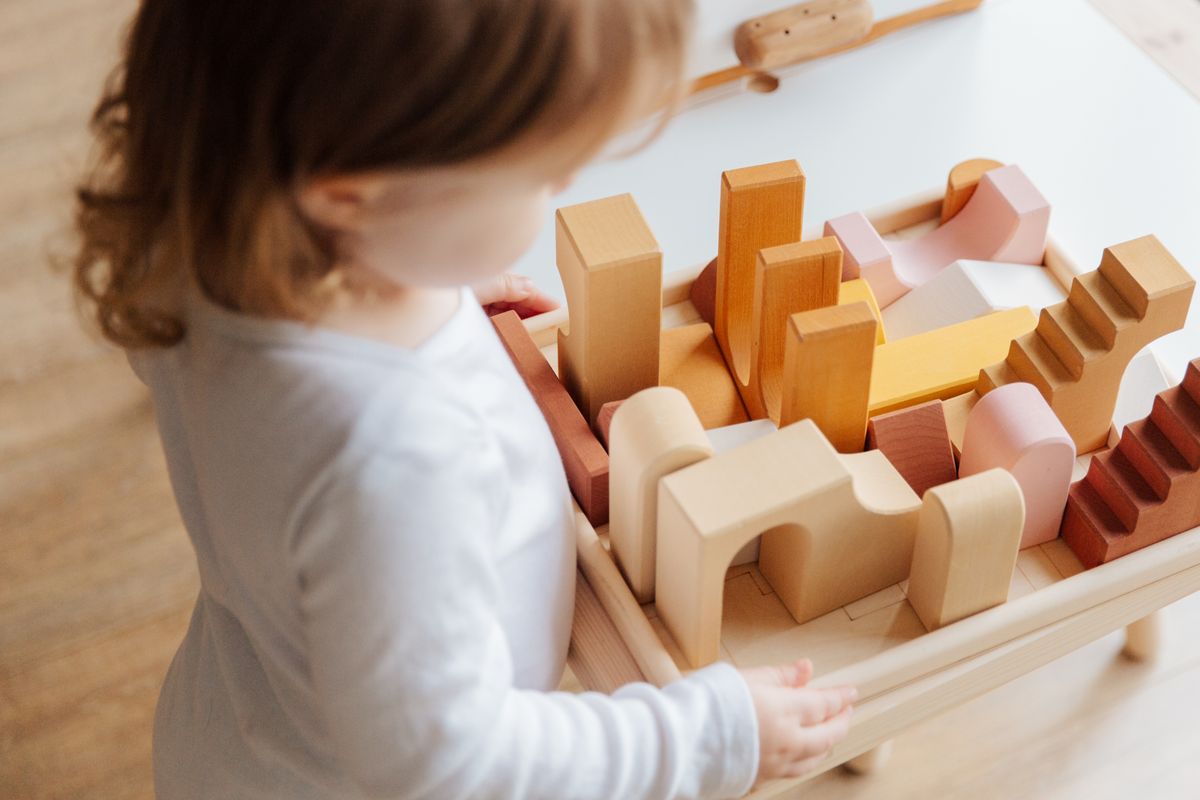
Choose a single discovery to revisit afterward. Draw the paving pattern, build a window arrangement with blocks, or arrange large paper shapes to resemble a familiar gate. Photograph public objects only where permitted, and avoid including identifiable strangers or private details. You do not need a camera record of the whole outing. One remembered feature can be enough to connect outdoor observation with indoor play.
If the child wants to make a map, start with the order of a few landmarks rather than accurate scale. A round planter, a long fence, and a square doorway can stand for meaningful places. Ask the child to explain the route and write their directions if requested. A map that makes sense to its maker has value even when it does not resemble an adult's street plan.
Try comparing one place from two positions
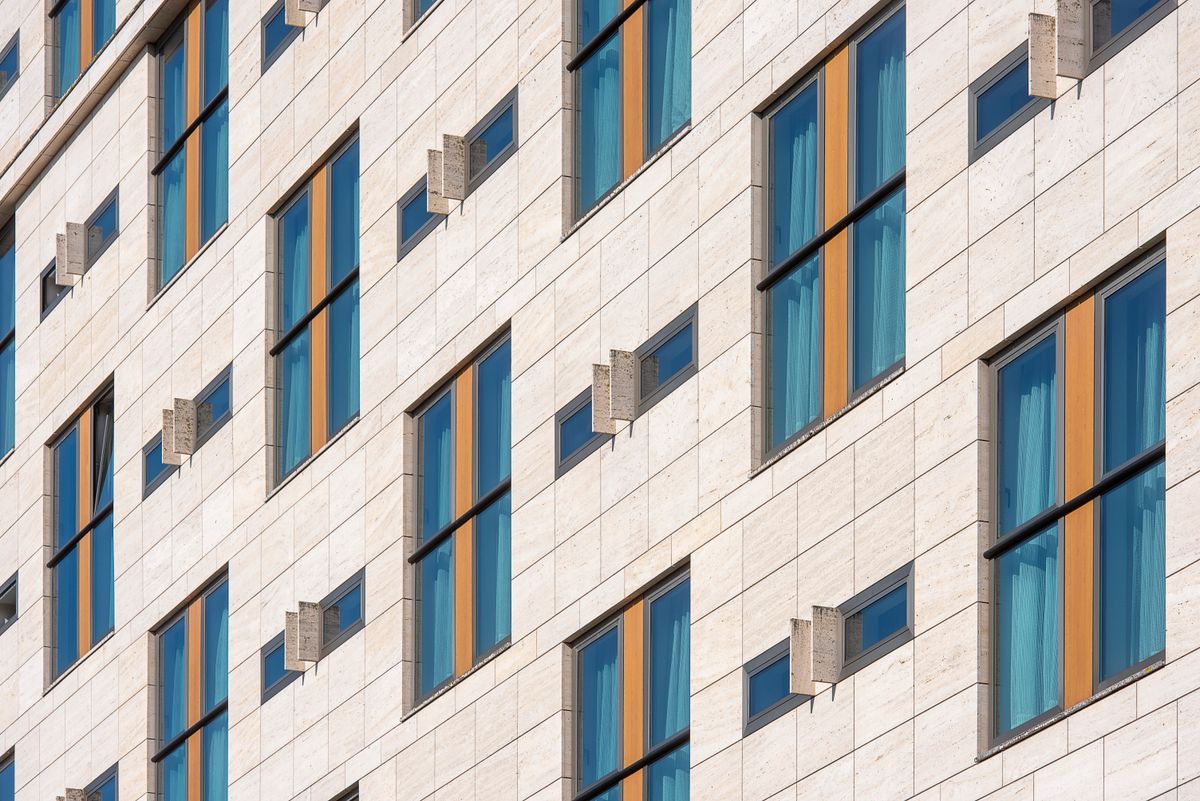
Choose a safe stopping point beside a familiar building and look at one window. Describe its outline from where you stand, then move together to another permitted viewpoint. Ask what seems different and what remains the same. The window has not changed, but the view has. You can draw both impressions afterward if the child is interested. Keep the explanation modest and avoid introducing technical vocabulary before it helps. The useful discovery is that position affects what can be seen. On another outing, compare a shadow at a different time or look at the same fence from its end. Familiar objects can offer new observations without a longer route, extra equipment, or a collection of things brought home.
Know when to leave the game alone
Some days a child will want conversation, and other days walking itself will be enough. Tiredness, busy surroundings, or a difficult transition can make extra questions unwelcome. Stop prompting when answers become strained or the child moves on. You can quietly enjoy your own observations without requiring a response. A shape walk should not make ordinary trips feel like examinations.
On a later outing, notice whether the child points something out without being asked. That spontaneous return may tell you more than a list of correct shape names. Keep the experience flexible: repeat the route, reverse it, or look from another side of the street when safe. Familiar places reward a second look. The lasting habit you are supporting is the willingness to attend to the world and find words, drawings, or gestures for what has been noticed.