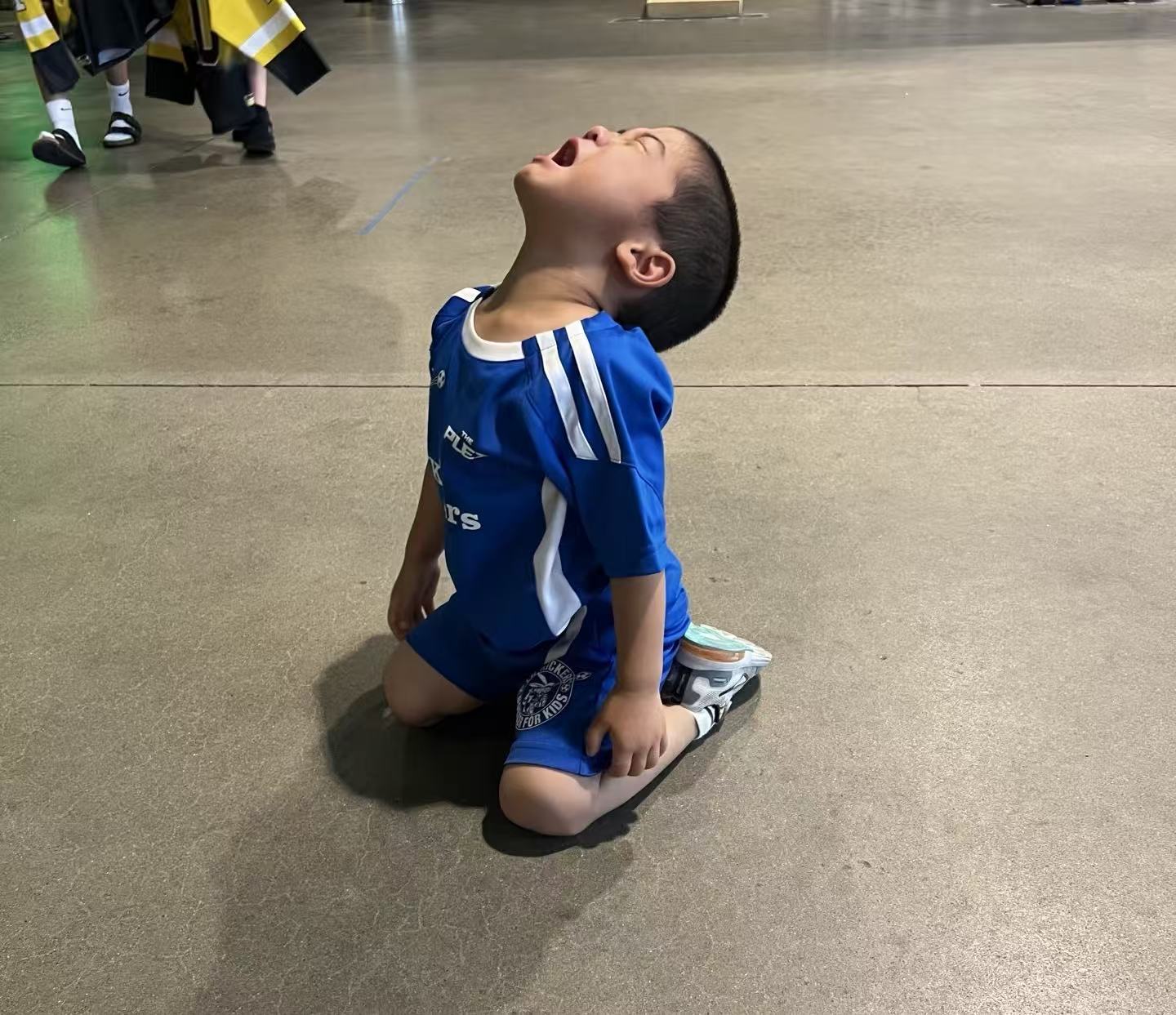
Which one do you prefer: "Children who cry get the candy," or "Well-mannered children are lovable"?
A lot of times, parents really want to teach their kids good manners, but they end up using not-so-polite ways to do it. Let's try a little mental flashback: when you were growing up, did your parents ever scold you in a harsh tone? Or even say things that stung? In that moment, didn't you feel upset and defeated? If so, hold on to that feeling.
Now think—are you, without realizing it, using the same kind of scolding approach on your own kids today?
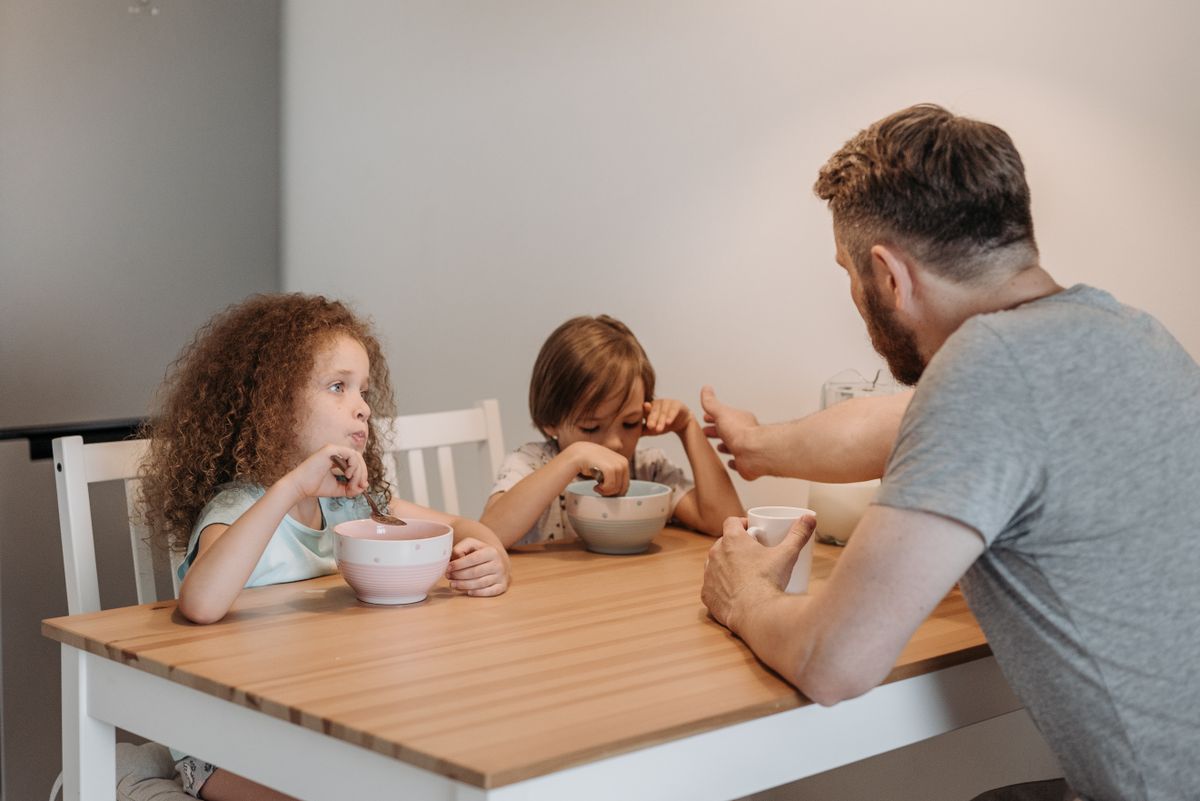
"Kids just won't listen, won't cooperate, always causing trouble…" That's probably a shared struggle for many parents out there. But yelling and saying hurtful things won't help a child understand what they did wrong, nor will it make the lesson stick. All it does is chip away at their confidence and self-esteem.
So what can we do instead? Today I'd like to share a super practical little tip. It's a method widely used in child psychology that works really well for helping kids build good habits—it's called "positive reinforcement."
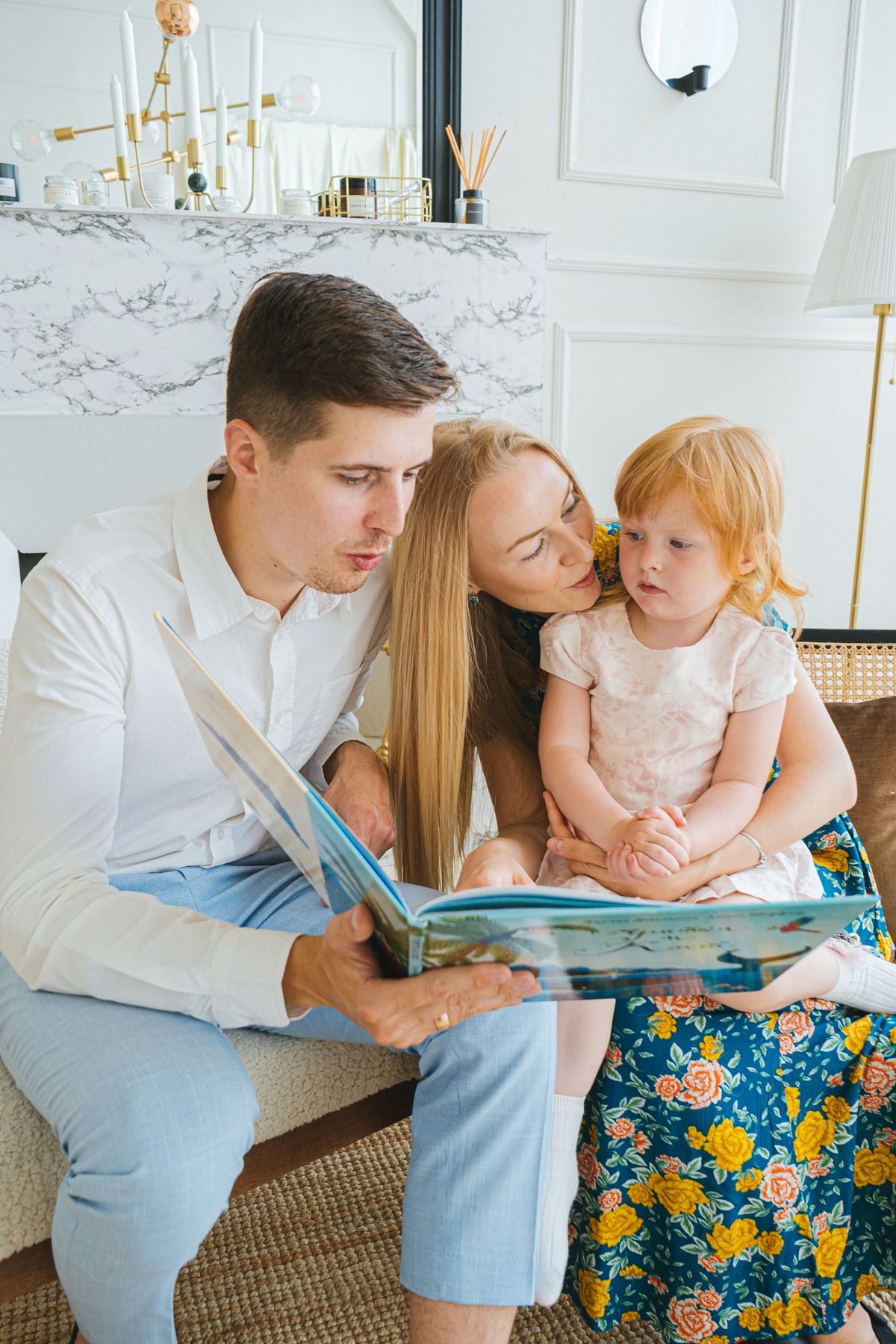
What does positive reinforcement actually mean? Put simply, it means that whenever a child shows polite behavior or any other positive action, we give them immediate positive feedback.
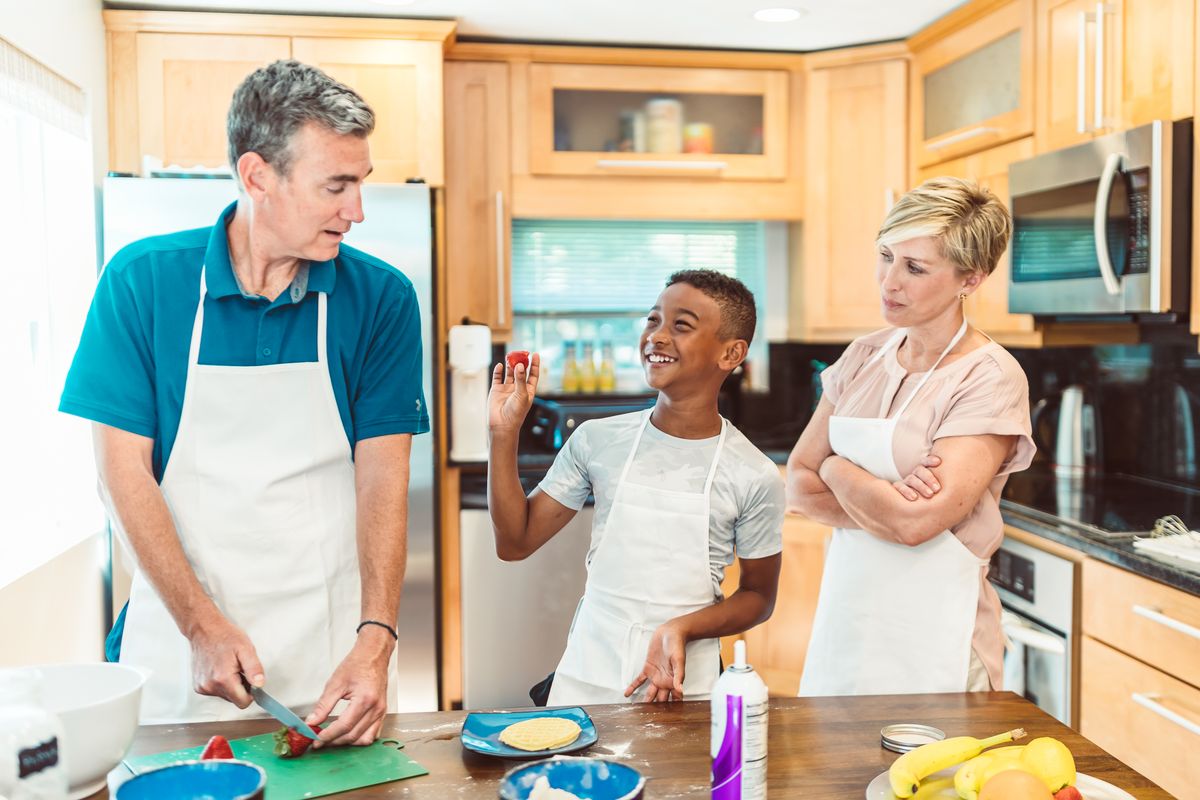
That could be verbal praise, a reassuring glance, or even a big warm hug. With that kind of positive encouragement, kids feel seen and valued for what they do, so they're more motivated to repeat those good behaviors again and again. When we interact with our children in a gentle and encouraging way, they find it easier to understand what we're getting at, and they become more willing to learn and adjust their behavior. After all, everyone needs to feel noticed and appreciated—kids are no exception.